Disclaimer and Caution
Any alternative therapy (physical, emotional, psychological or metaphysical information provided by Larina's Labyrinth and Associates is intended for informational purposes only. It is not designed to replace existing medical treatment. You are encouraged to do your own research. Please read the site's Terms of Use of use and the Public Disclaimer.
Explore the power of colour - "colour Magicke'. Concepts around the benefits of colour are as rich as the colour spectrum - diverse and varied. Its power and use have been recorded in the sacred texts. While there is little scientific evidence to support these beliefs, the last centuries have seen science progressively proving some of the previously anecdotal wisdom of the ancients, such as the links to colour and mood, and in some (rare instances, links with physical healing properties and the way the body perceives light. The information on this page is provided to support you in reflecting upon your beliefs and to expand your understanding of colour as a symbolic messenger and much more!
The Power of Colour

Colour Healing Background
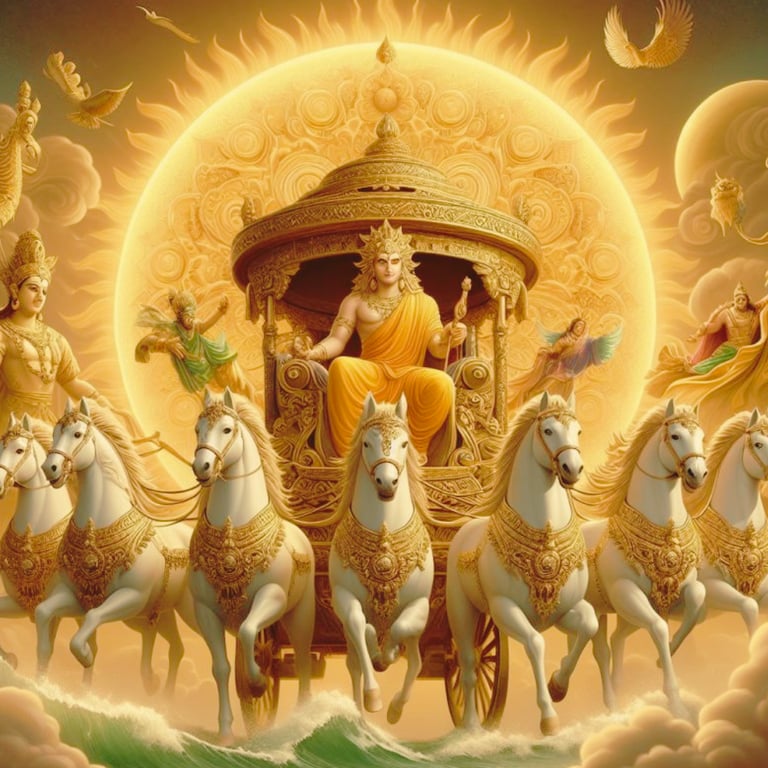
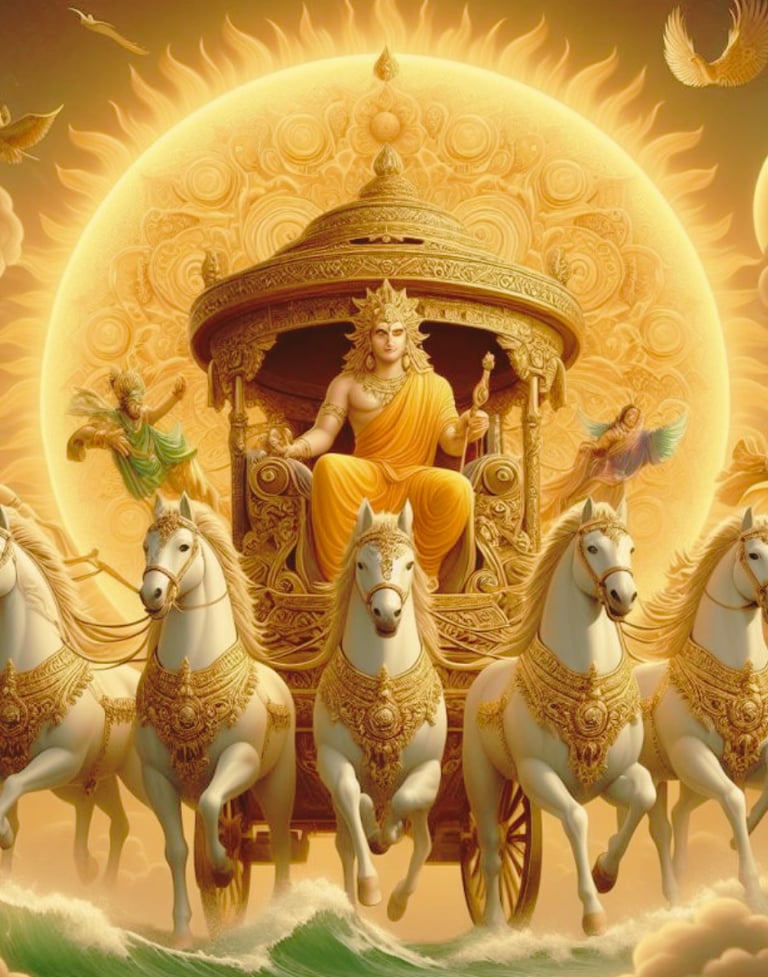
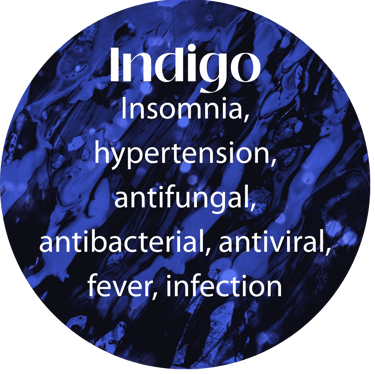
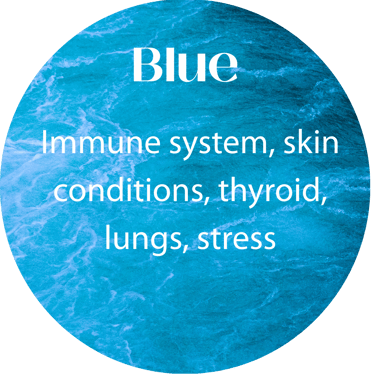
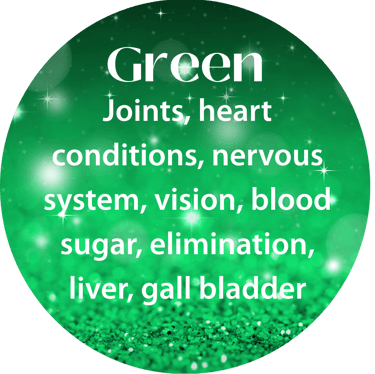
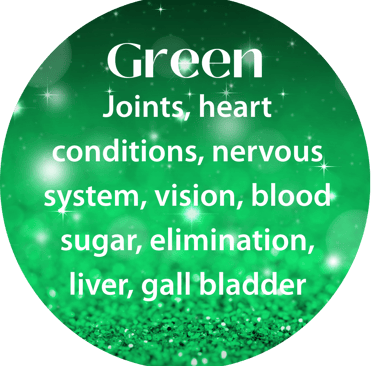
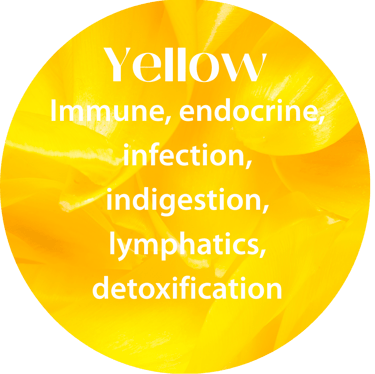
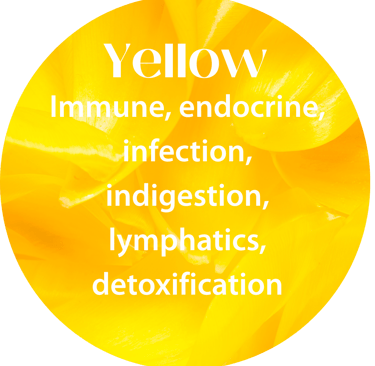
In the Vedic traditions and sacred texts, the seven horses are associated with the Sun God, Surya. In the texts, the sun God is carried across the sky by sunlight, which is composed of the seven primary colours (horses) visible in the rainbow: Violet, Indigo, Blue, Green, Yellow, Orange, and Red. These horses are believed to represent the seven primary chakras in the human body, with interpretations associated with cosmic order, guiding principles for life, light vibration, energy, and vitality. This belief is known to have been held by the ancient Egyptians, the Mesopotamians, and the Sumerians (later Babylonians), and has laid the foundations for modern colour theory and even scientific advances that we draw upon each day. While Pythagoras did not study Colour specifically, he is credited with introducing concepts of harmony through liinks with colour and music, after spending time incarcerated in what was to become Babylon for a period of around twenty years, and potentially bringing concepts of colour healing power to the West. Historically, the ancients believed that the coloured 'light rays' carried physical healing properties as listed below:
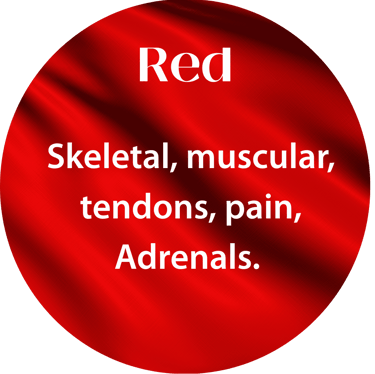
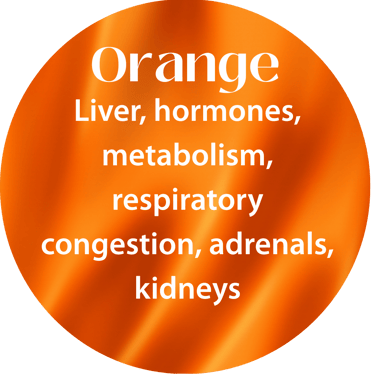

Colours and Healing Light
Developments - Sunlight and Colour
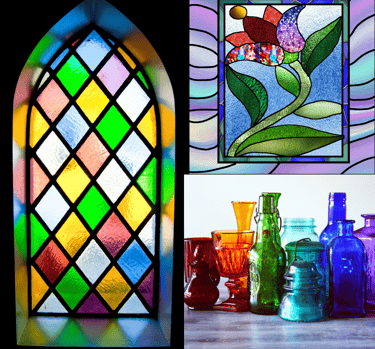
The concepts of the Vedas and the 'Seven Horses" or the Seven colour healing rays have been expanded on and incorporated in a variety of ways and traditions in both the East and West (and Asia) with the use of colour as part of their beliefs in maintaining physical, mental, emotional, and spiritual health. Newton is credited with the development of the modern Colour Spectrum, by 'splitting rays' and experiments. To some extent, scientific research has confirmed that 'light' has the seven aspects of the rainbow and that every naturally coloured light is a product of 'white light' which contains all the other colours, in a range of shades and hues, through a range of filters (biological or artificially created). The retina perceives colour, and some animals can only sense specific colours. It is a complex process: light hitting the retina, the body's photo receptors triggering the brain to process, and colours evoking an emotional response, such as warmth or cold.
Despite a lack of scientific evidence, people have used colour in a variety of ways over the ages—for instance, stained glass windows in churches, coloured glass candle holders, and even solarised water. Solarised water: the process of filling a coloured glass bottle with purified or mineral water and exposing it to sunlight for a set period of time, 'solarising' the contents, and energising it to specific healing attributes related to the bottle colour. There is no evidence to support any healing properties, yet it remains popular among metaphysicians and energy workers. Care should be taken when purchasing bottles for use with solarised water, as some glass bottles (such as antique red bottles) contain lead, which, in some instances, can leach into the contents.
Chromatherapy (Spechtochrome)
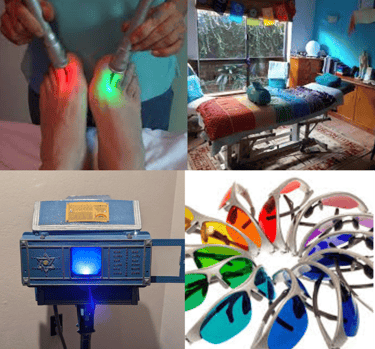
Chromatherapy, or “Spechtochrome,” is a more modern development of coloured light healing, in which it is believed that using coloured lights or colours can lead to subtle changes in physical, biological, and emotional health, by balancing the body's chakras. The colours are said to have stimulating or calming effects on the energy system. Applications include float tanks and bathtubs, clothing and fabrics, and, specifically in the case of Chromatherapy, purpose-built ‘beds’ and light boxes with filters. The use of light beds and light boxes was developed by an Indian-born American, Dinshah Pestanji Ghadiali (1873-1966), a medical doctor who was qualified in India, not in the US, in the early 1900s, who experimented with electromagnetic frequencies. Importantly, Ghadiali was denied registration with the US medical practitioners because of his studies and belief in colour therapy, and he was charged with fraud.
Since then, there has been minimal testing of his claims, which are now considered pseudoscience because many lack reliable scientific evidence. However, some claims have been proven (or semi-proven), with more recent studies showing the efficacy of blue light in sterilising surgical equipment due to its antibacterial properties.
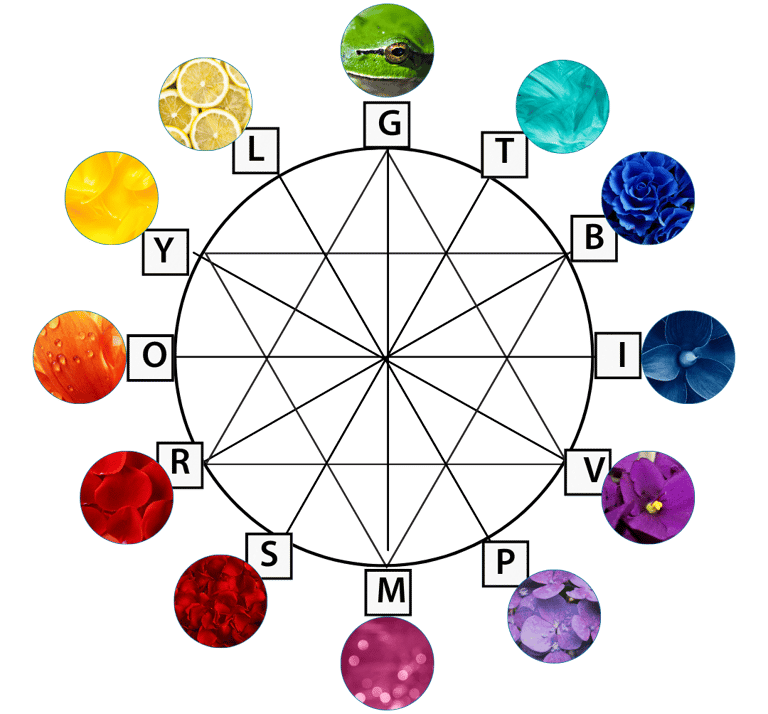
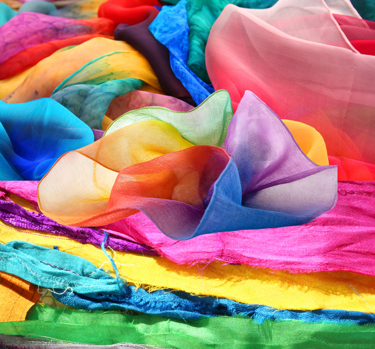
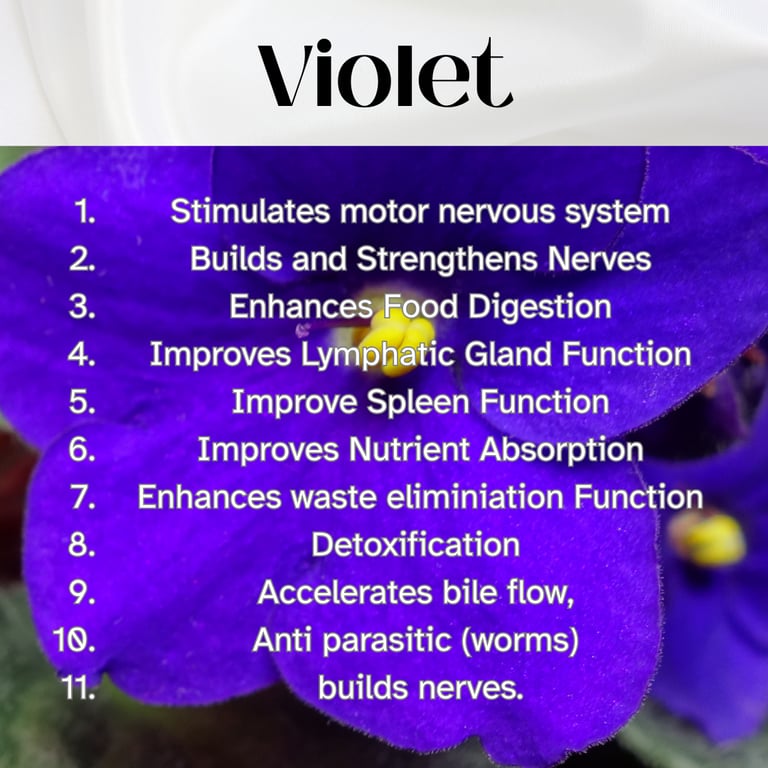
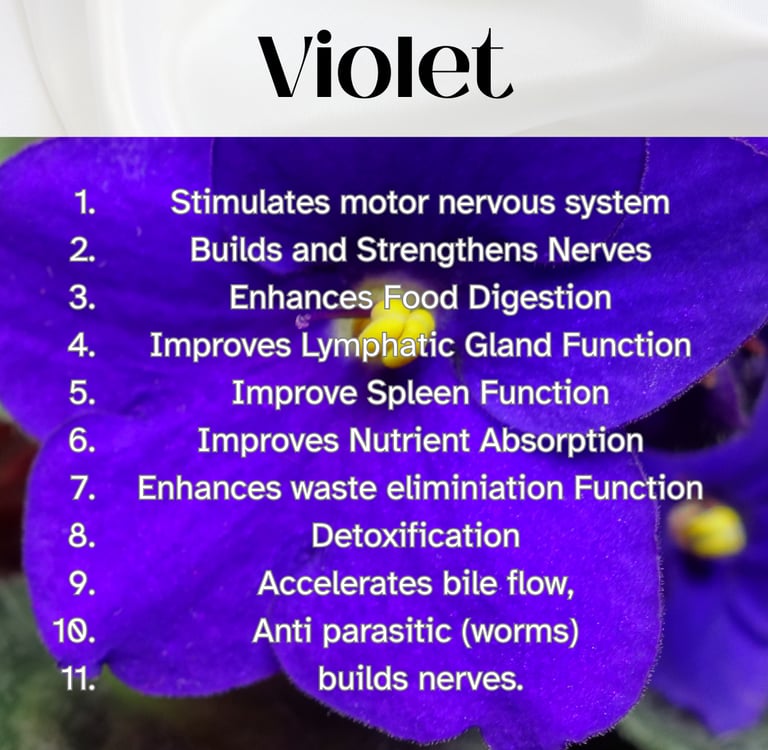
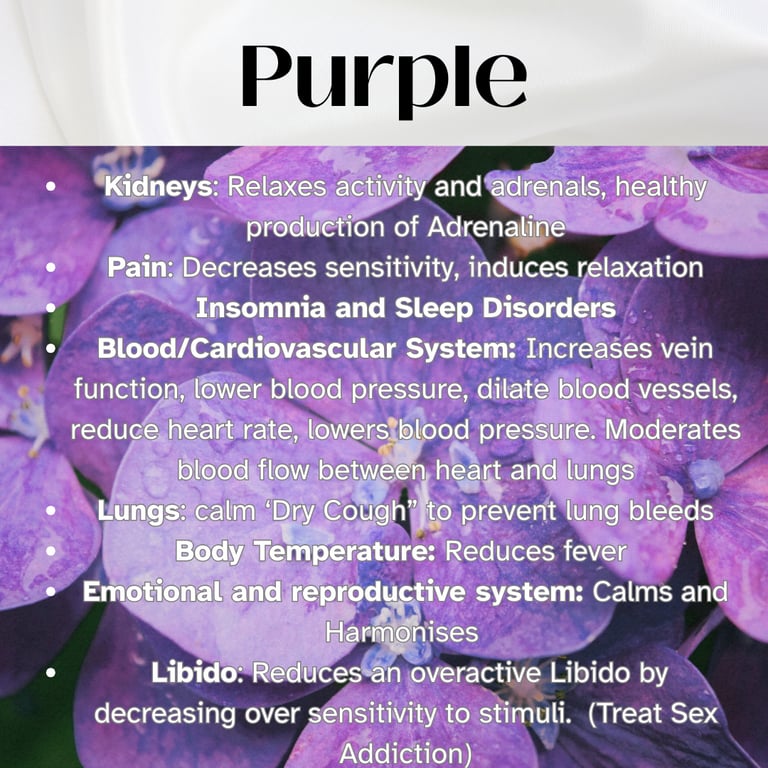
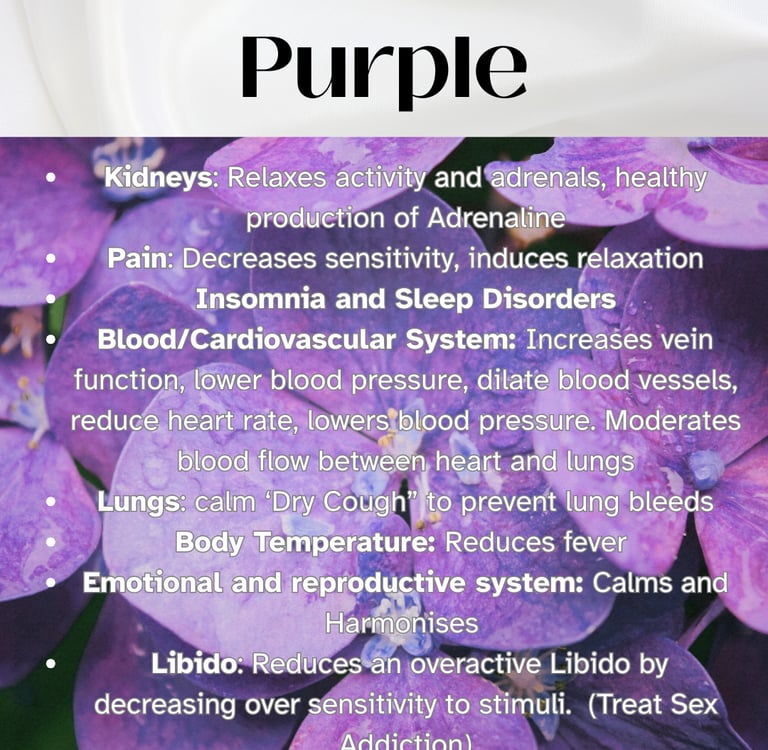
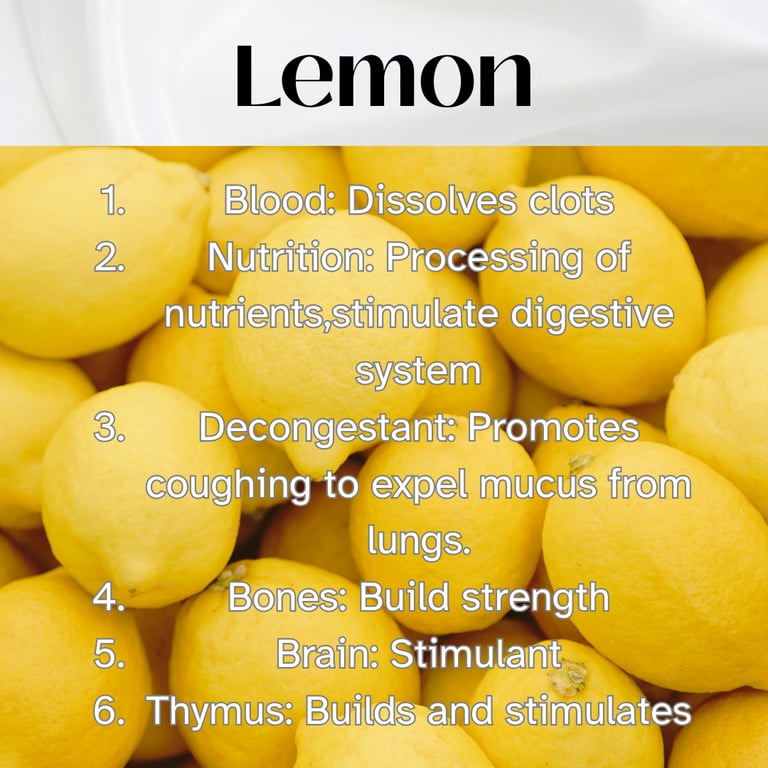
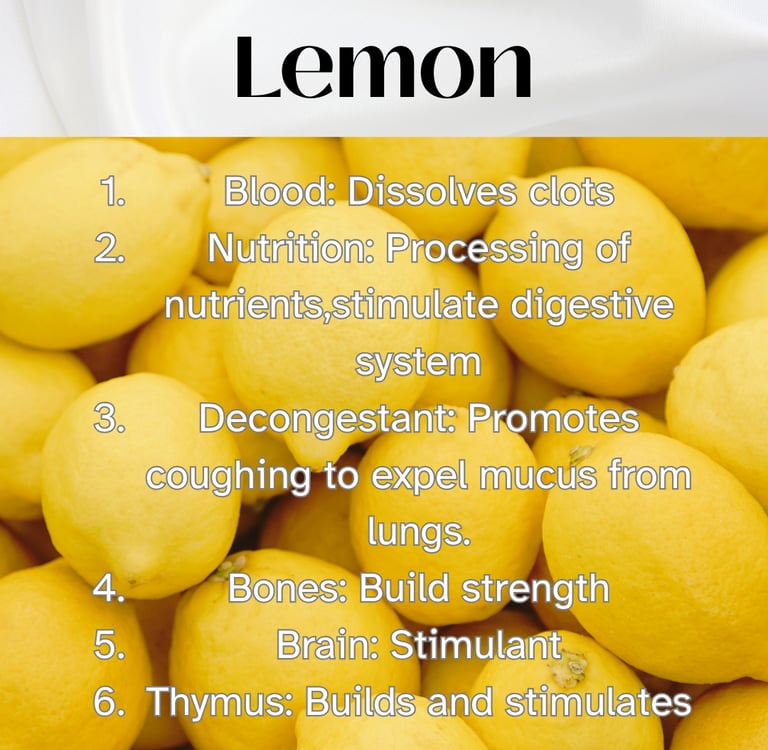
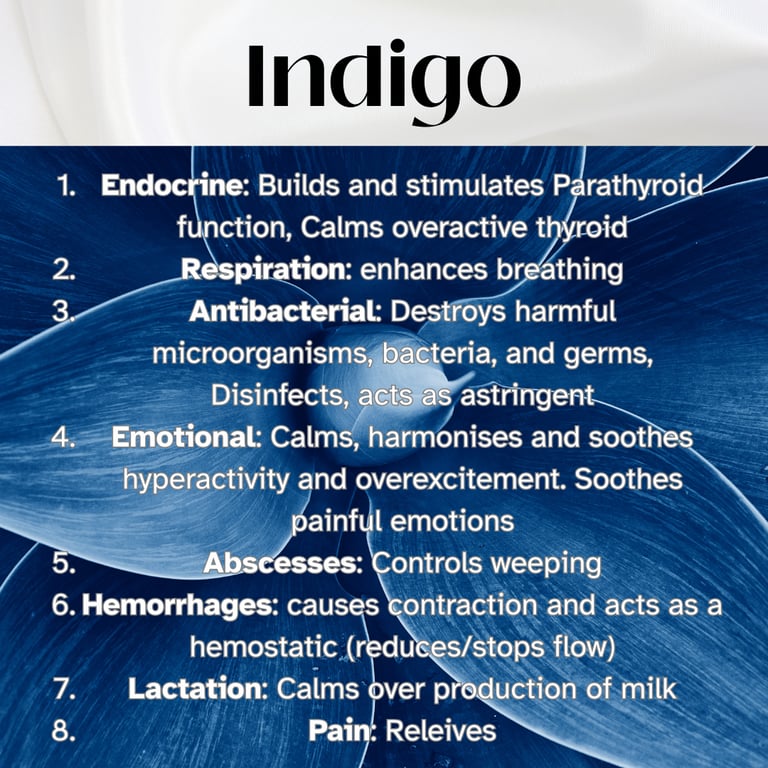
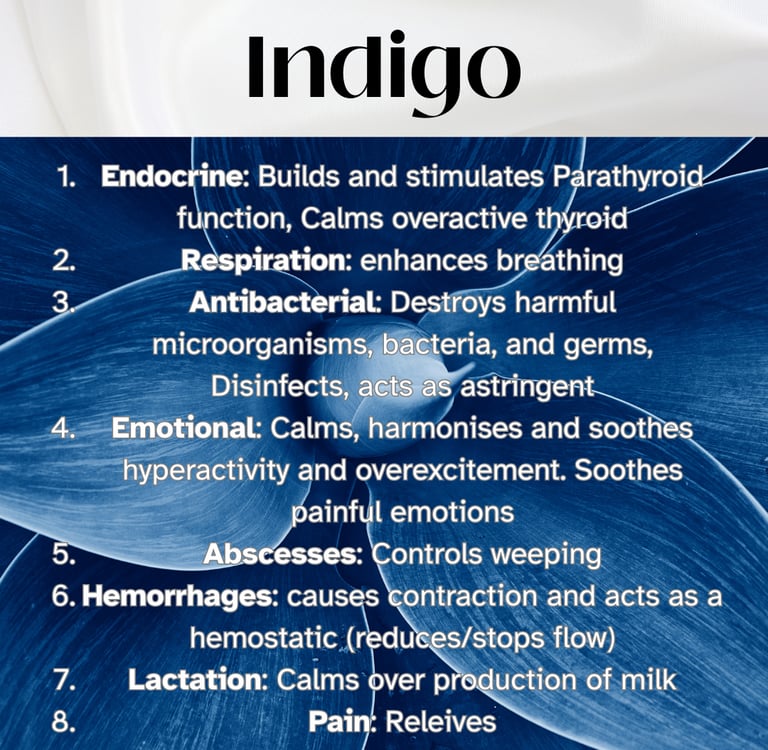
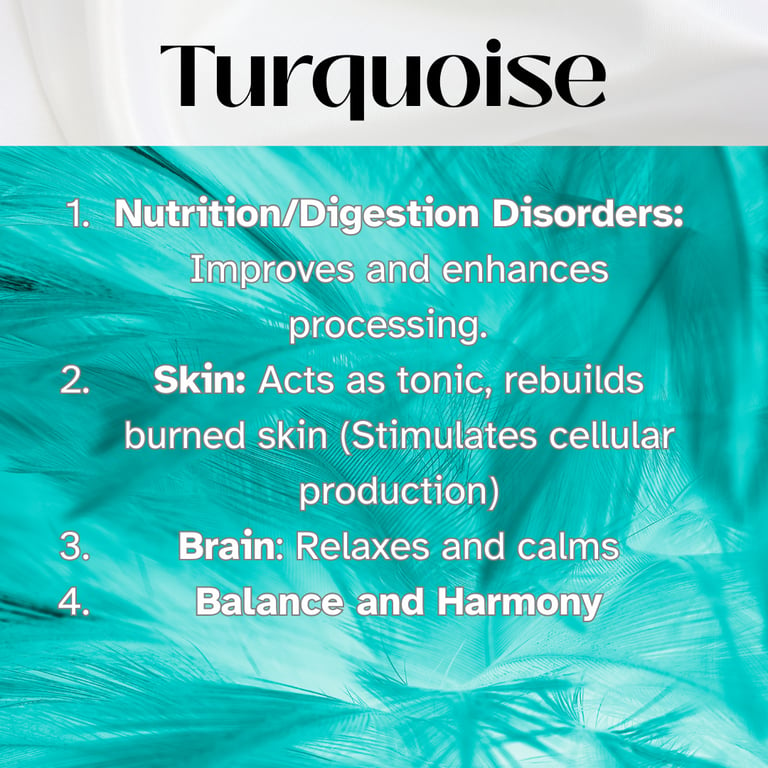
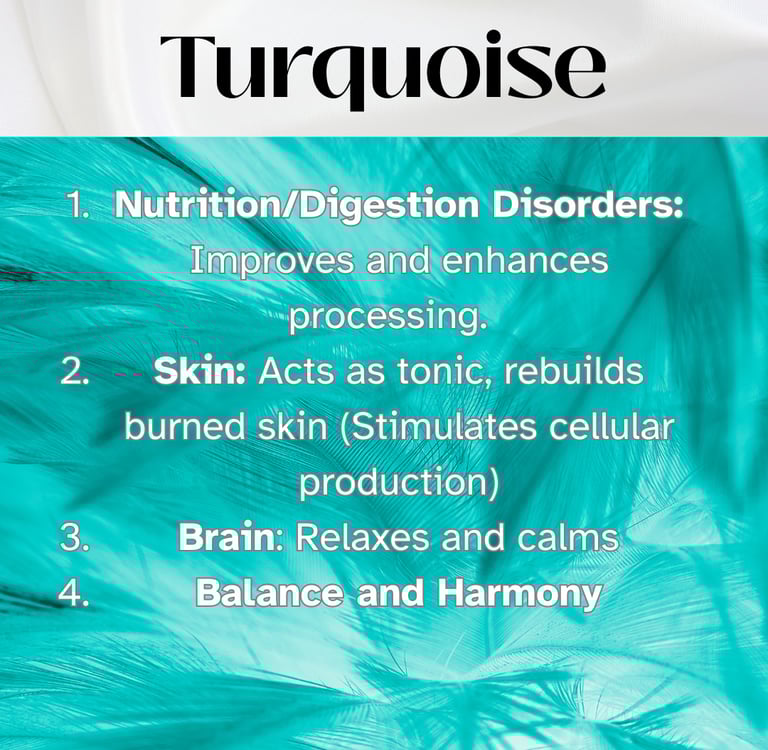
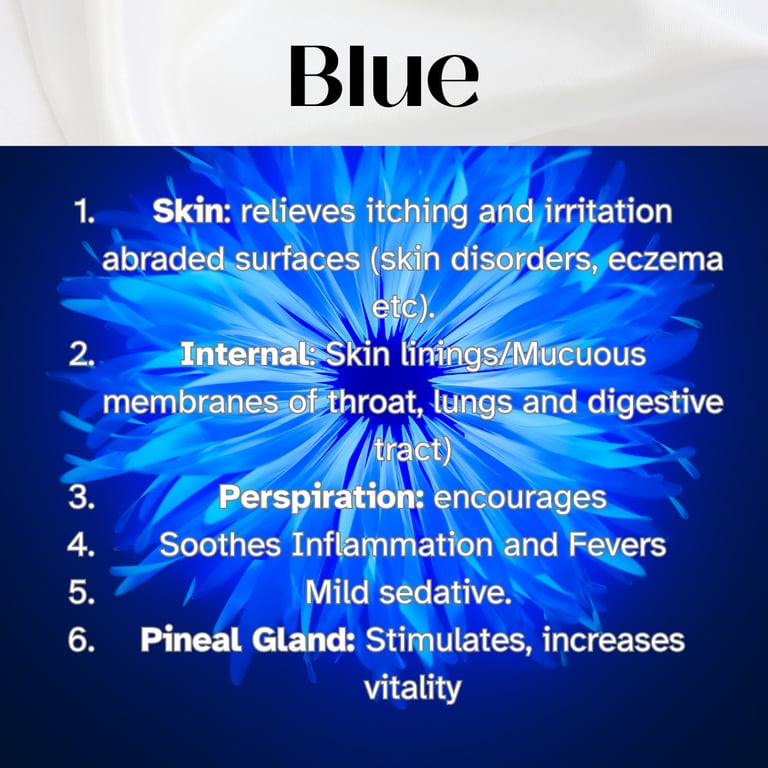
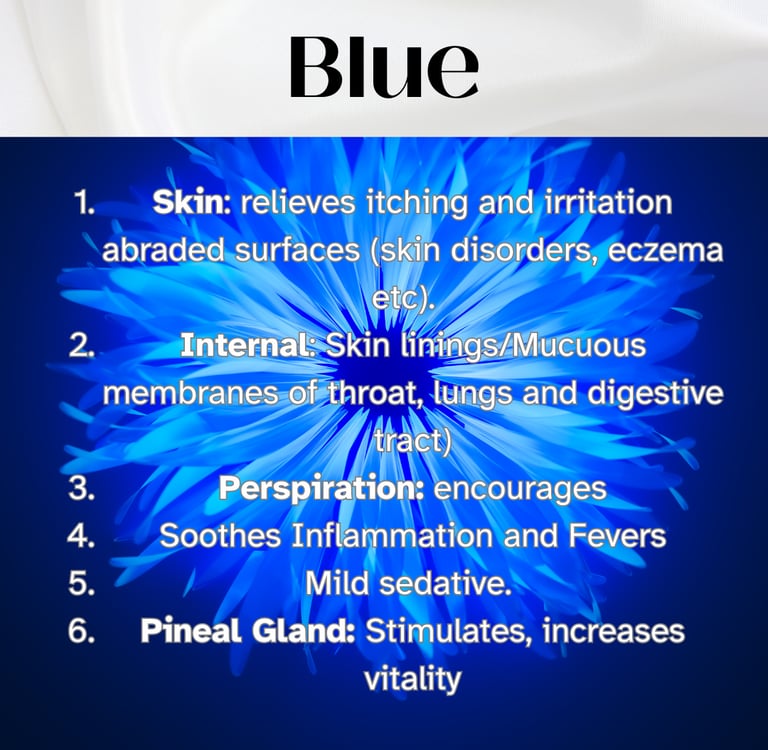
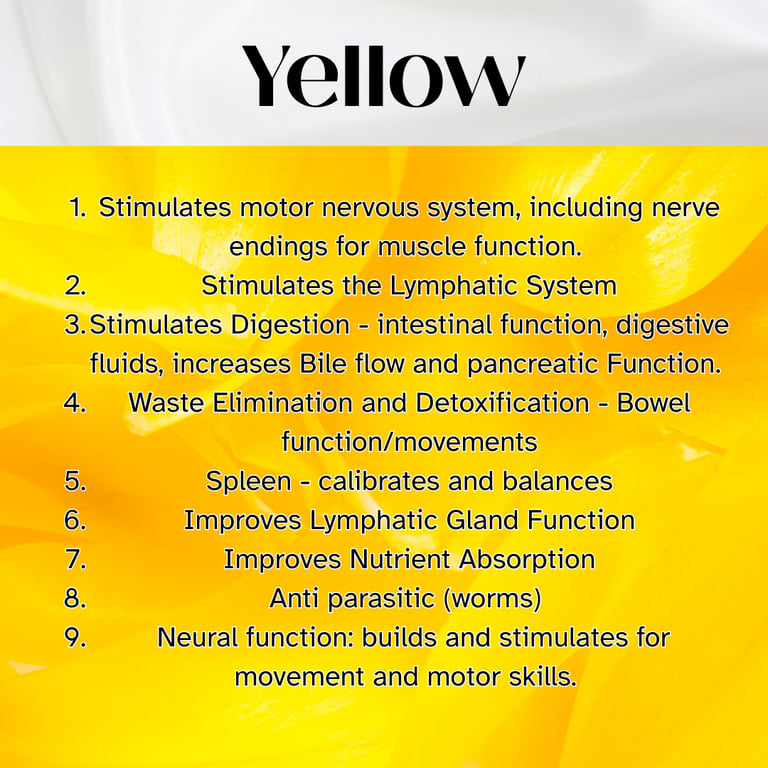
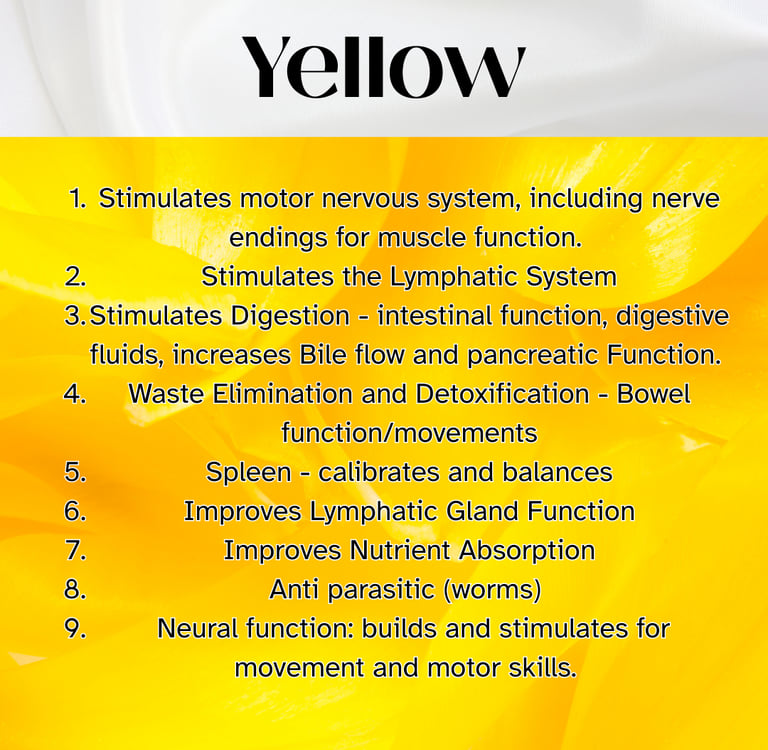
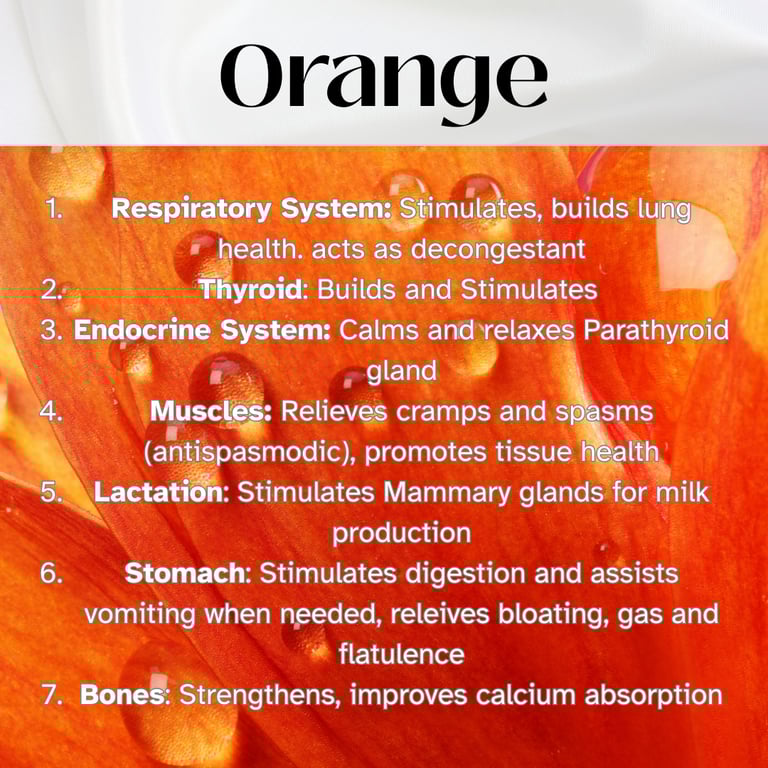
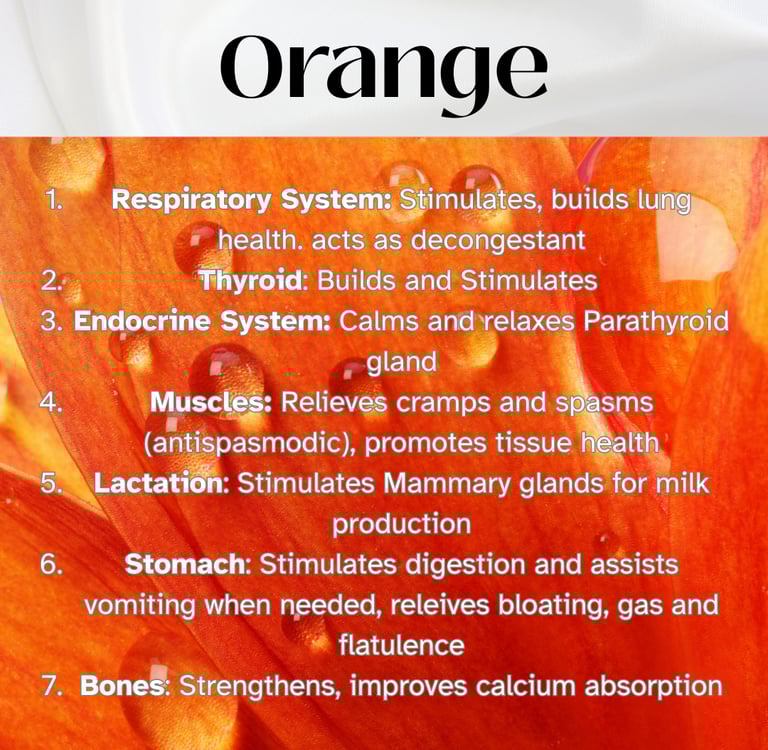
Modern delivery methods of Colour Therapy (advancements upon Ghadialis' approach) include the use of coloured eyeglasses and the incorporation of fabrics (for clothing and wear) to improve mood. While there are claims of physiological health improvements with colour therapy, practitioners believe it is a ‘holistic approach to health’, where the electromagnetic frequencies of colour work upon the entire system of the person – mind, body and spirit. Click on the coloured images below to see the specific claims of benefits to the body through the use of colour.
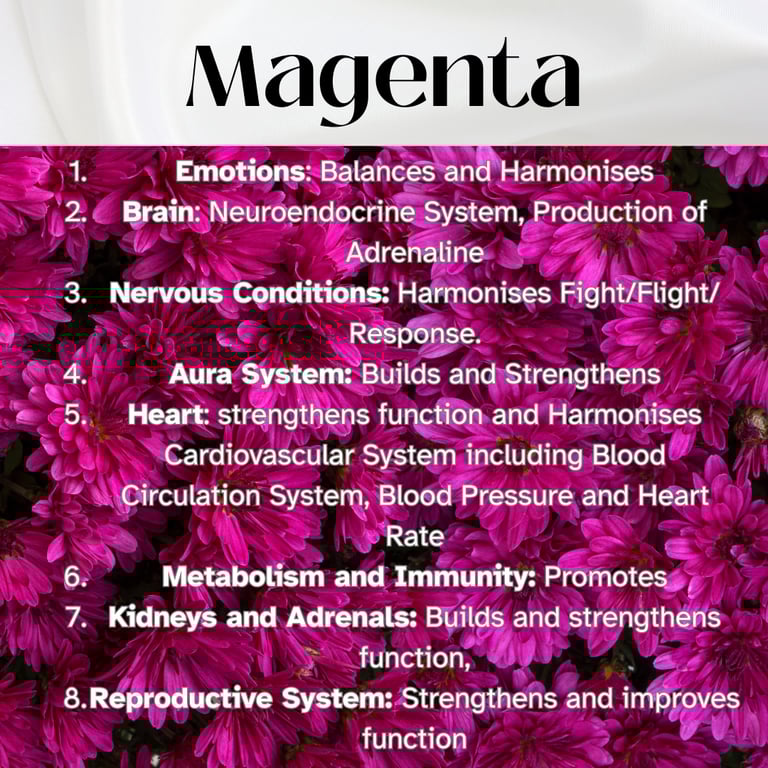
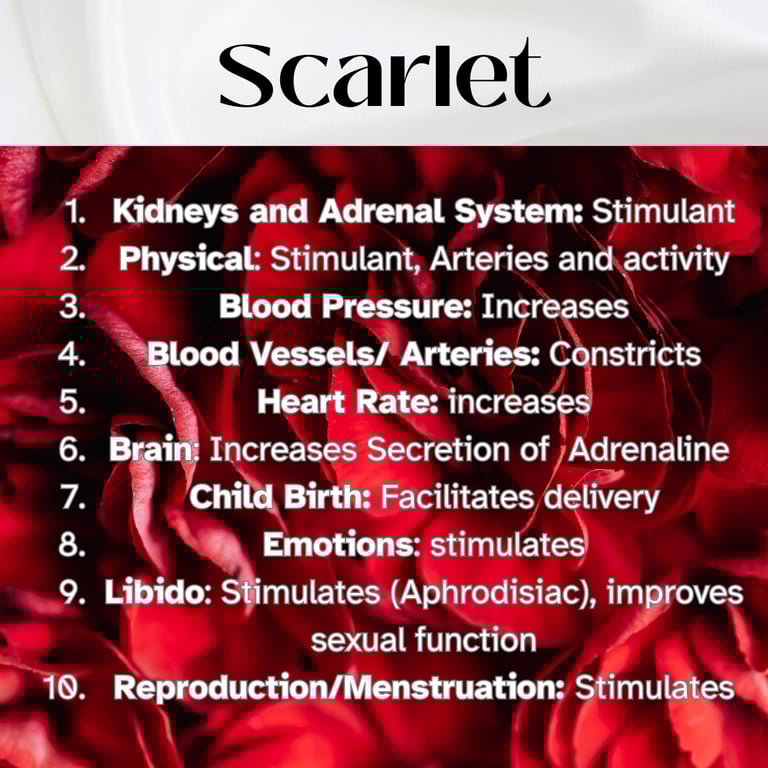
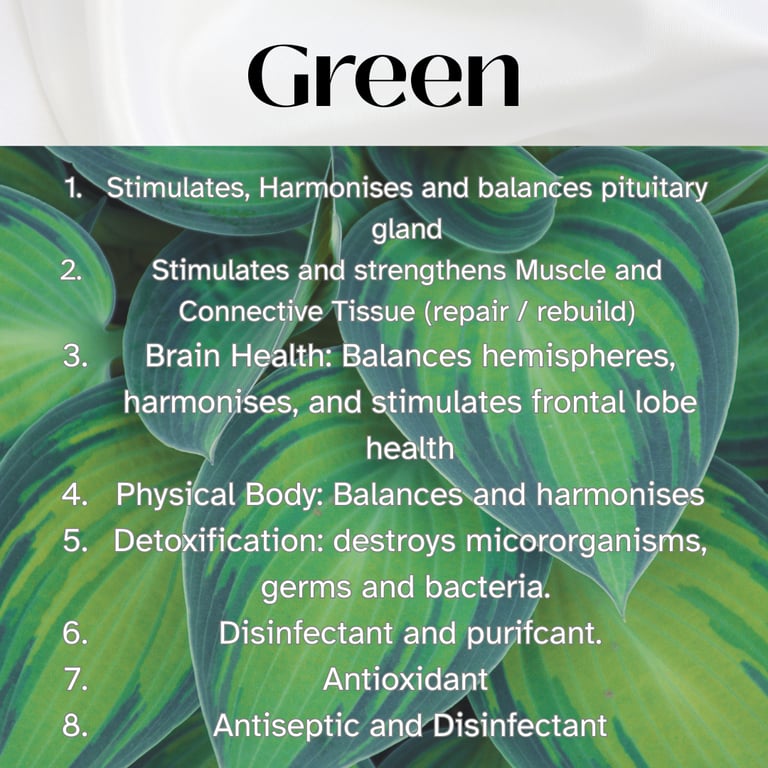
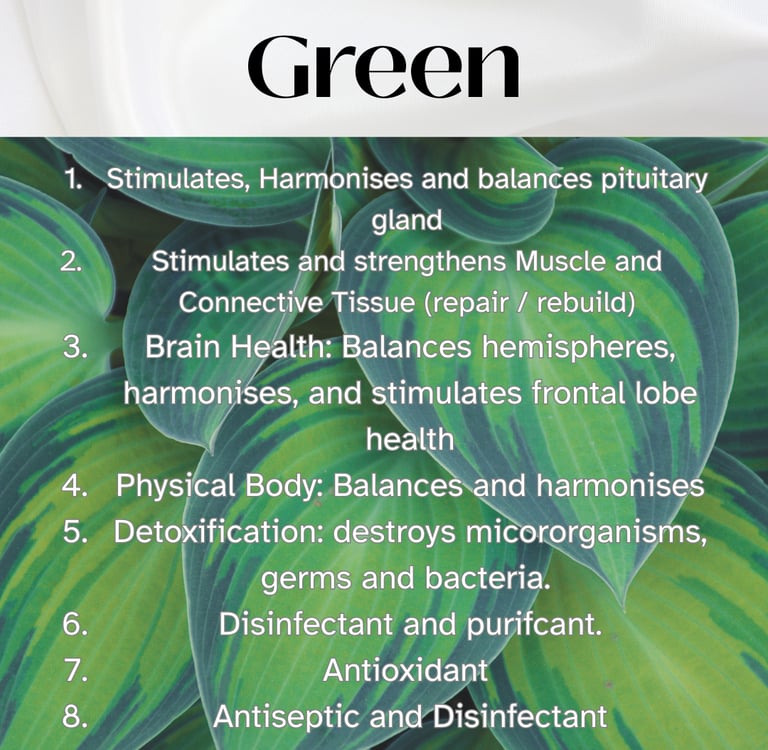
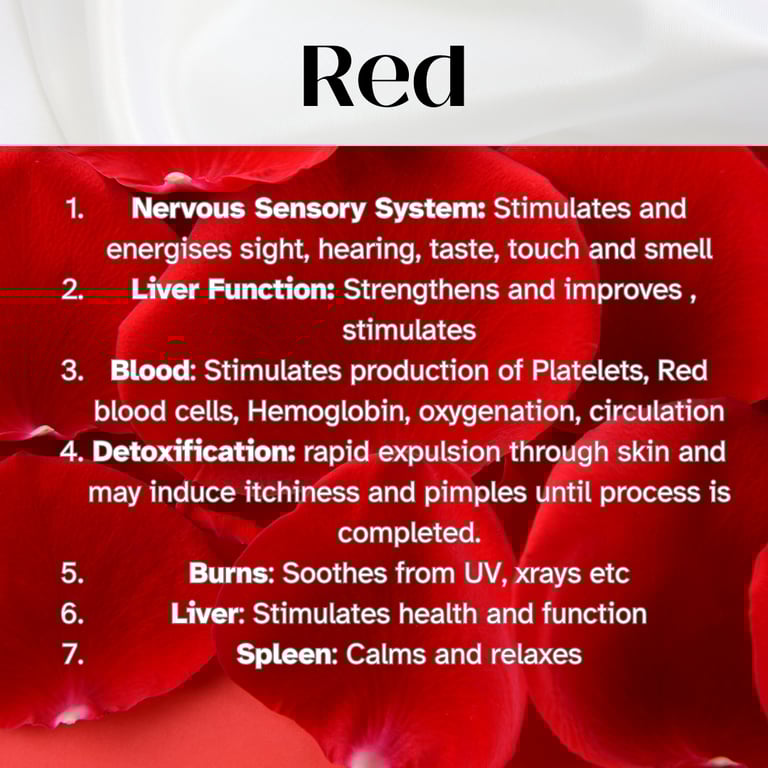
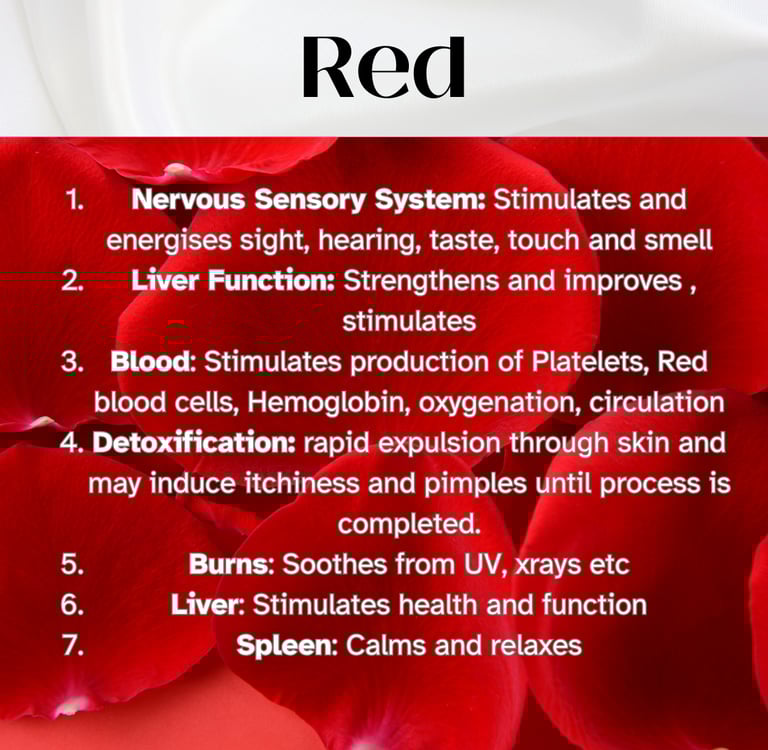

Colour Healing Rays
The concept of Healing Rays and its links with Ascended Masters and purposeful visualisation in Western New Age and Western Metaphysical circles was introduced to the West by Helena P. Blavatsky, a Russian Theosophist. In her book The Secret Doctrine, Blavatsky described Light Rays, associated with Stars and each carrying its own individual power. The Secret Doctrine was reprinted posthumously by the Theosophical Foundation (which was led by her 'Disciples'). The third volume linked the rays with celestial beings, which were known as 'gods' or 'angels' and referred to as 'Powers'. Blavatsky is said to have stated that the Christian religions later adopted her information as the "Angels of Presence. CW Leadbetter (who, with Annie Besant, was a coleader of the Foundation post Blavatsky's passing), published his own books and referred to and described the Rays as follows:
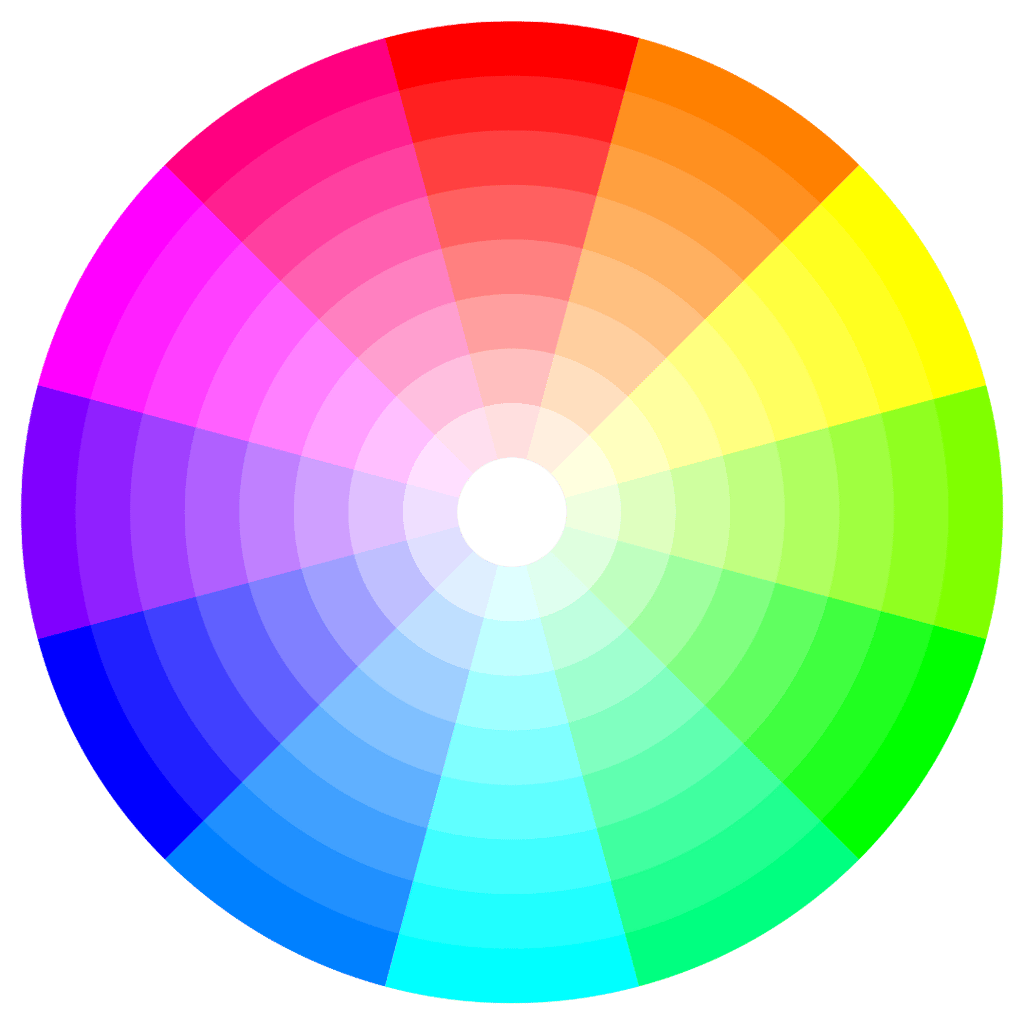
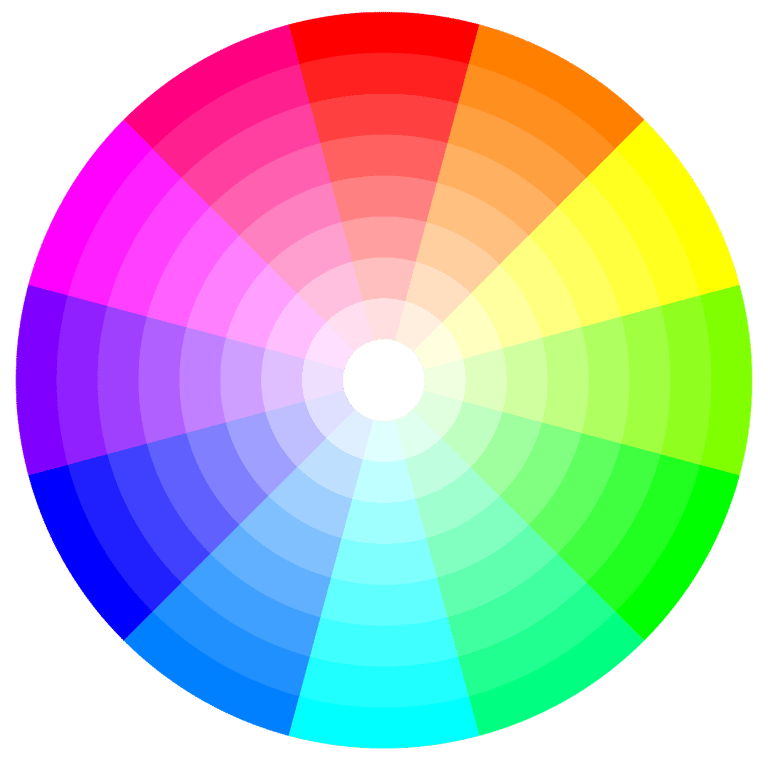
First ray: Magic of Will of the magician
Second ray: Magic of Raja Yoga (Development of Mind)
Third ray: Magic of Astrology (Natural Magnetic Forces)
Fourth ray: Magic of Hatha Yoga (physical development)
Fifth ray: Magic of Alchemy (Manipulation of Material Substances)
Sixth ray: Magic of Bhakti Yoga (Selfless Service and Altruistic Love; agape)
Seventh ray: Ceremonial magic (Invocation of Elementals, and Devas)
Other influences and additions include those of Summit Light House, founded post-World War II by a veteran. At some point (possibly after his death and when the Foundation was led by his widow), there were extensions and claims of other additional 'Ascended Masters' who were 'masters of the Light Rays'. Alice Bailey associated the Rays with the colours of the Light spectrum (only seven). In contrast, the Light House expanded further, and later teachers taught of additional light rays. The Summit Light House was accused of being a cult, and leadership changed (and the organisation almost collapsed) after fear-based messages, including the end of the world and the second coming of Christ.
TIP: When exploring the meanings and the colour rays, it's worth looking at the content provided by Bailey and the Summit Light House (and other self-proclaimed 'masters' and 'channelers of information', while retaining an open mind, and the approach that what FEELS right in your heart, is what is right for you, and remain sceptical. If you want to know how the rays work, experiment with them yourself instead of relying on other people's experiences, inform your actions and decisions, and use a diary to record your experiences (which may change over time).

Colour Psychology
Background
Western psychologists consider Freud the 'grandfather' of Psychology and an influential figure in Carl Jung's initial studies of psychology. Both had a shared view that people had both conscious and subconscious behavioural motivations and that mental illness and discomfort were rooted in thoughts and beliefs that lay below the surface, with a person's potential remaining largely untapped, constituting the "Iceberg Theory". Ultimately, the pair parted ways because of the differences in their approaches – Freud was more focused on what is now a modern psychiatric treatment approach to illness, including the use of prescriptive medications that are mood-altering. Jung concentrated on blending spiritual or metaphysical approaches into both his diagnostic and therapeutic methods, including the use of colour as a diagnostic tool.
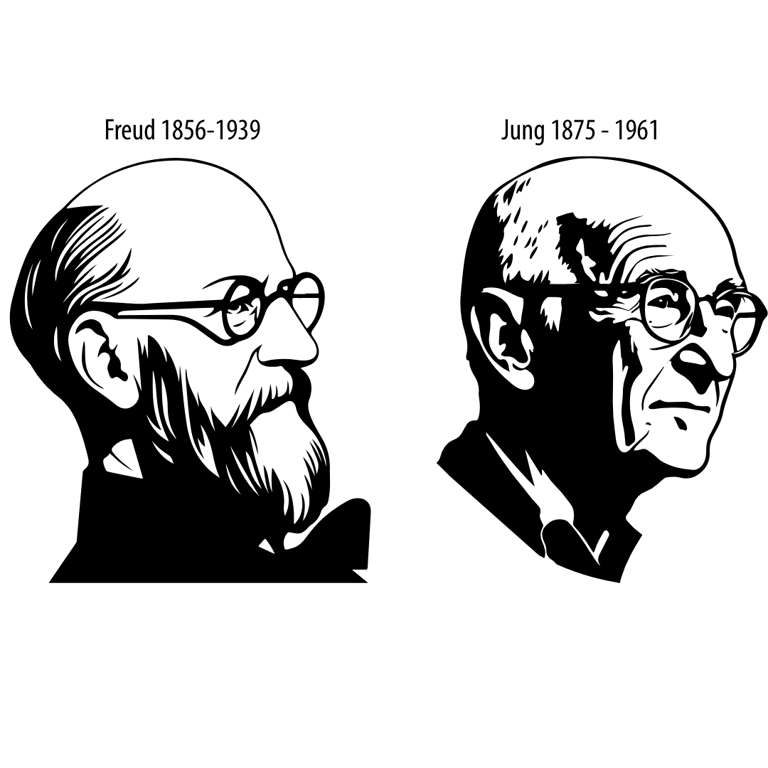


Jung- Colour and Psychology
Amongst Jungs theories were those of using colour as "Personality typing", where reds indicated activity and goal focussed individuals, blue the more analytical, logical or knowledge seeking people, people who were more inclined to follow their intuitive or emotional sides (basically acting impulsively based on their feelings or "heart") were 'green' personality types, and people whose primary motivator were social activities, fun seeking, joyful and happy were associated with the colour yellow.
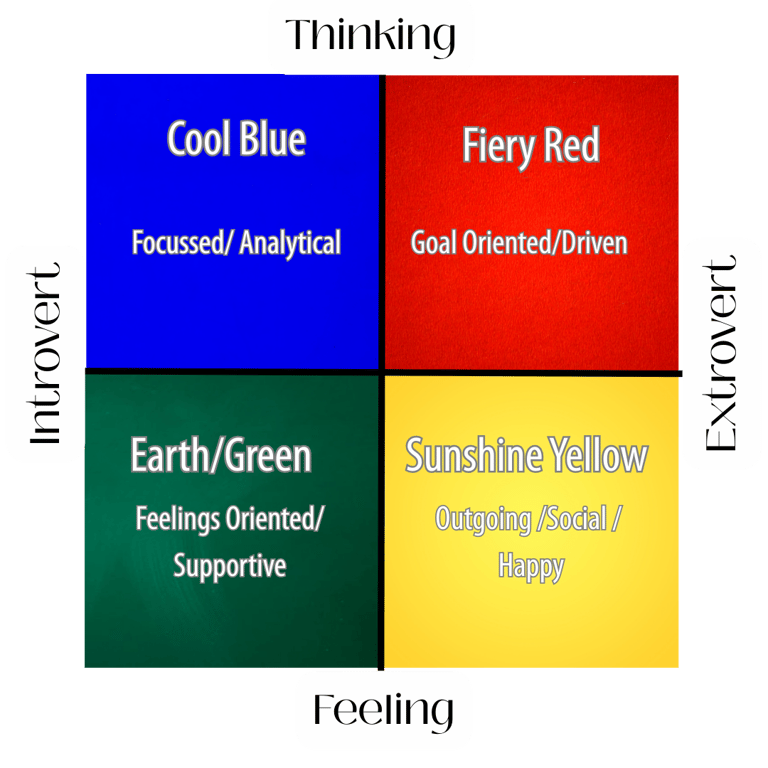
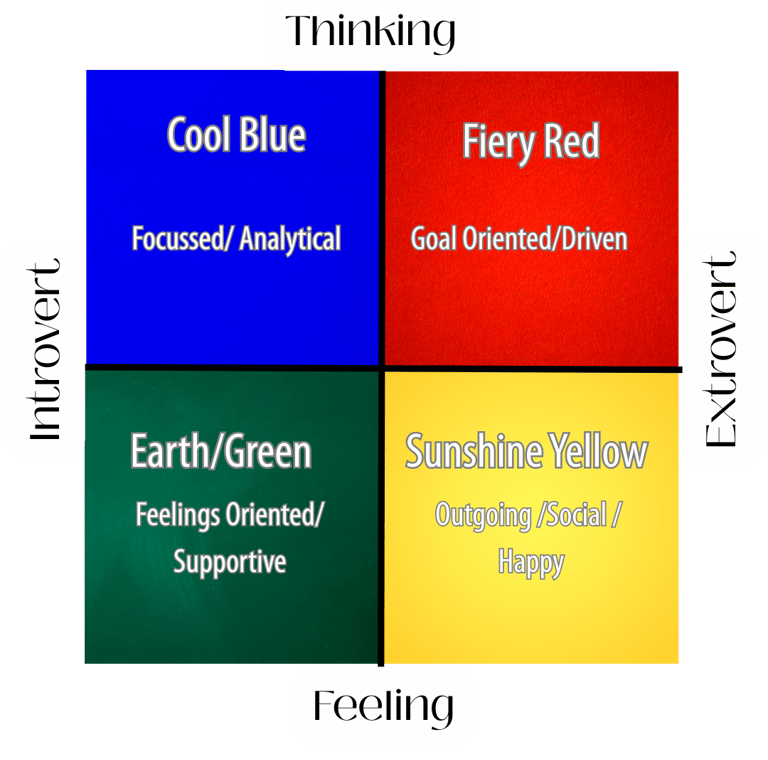
Furthermore, Jung believed that mental illness was grounded in internal conflict between 'opposing forces' that is, thoughts and emotions and created the Jungian Hexagon to support a person raising their levels of self awareness – and to identify the areas of conflict and to integrate or unite the 'opposing forces' as part of assisting them to live fuller lives – and achieving their true potential.
Red: movement and instinct, Physical health care, purposeful, practical, adaptive
Yellow: Craftwork, artistic expression, precision, manufacture, industry, and technology.
Green: Ability to perceive, realistic, intuitive, sensory, perceptive, discerning, ability to perceive and learn, evaluate and make correlations between statistical information.
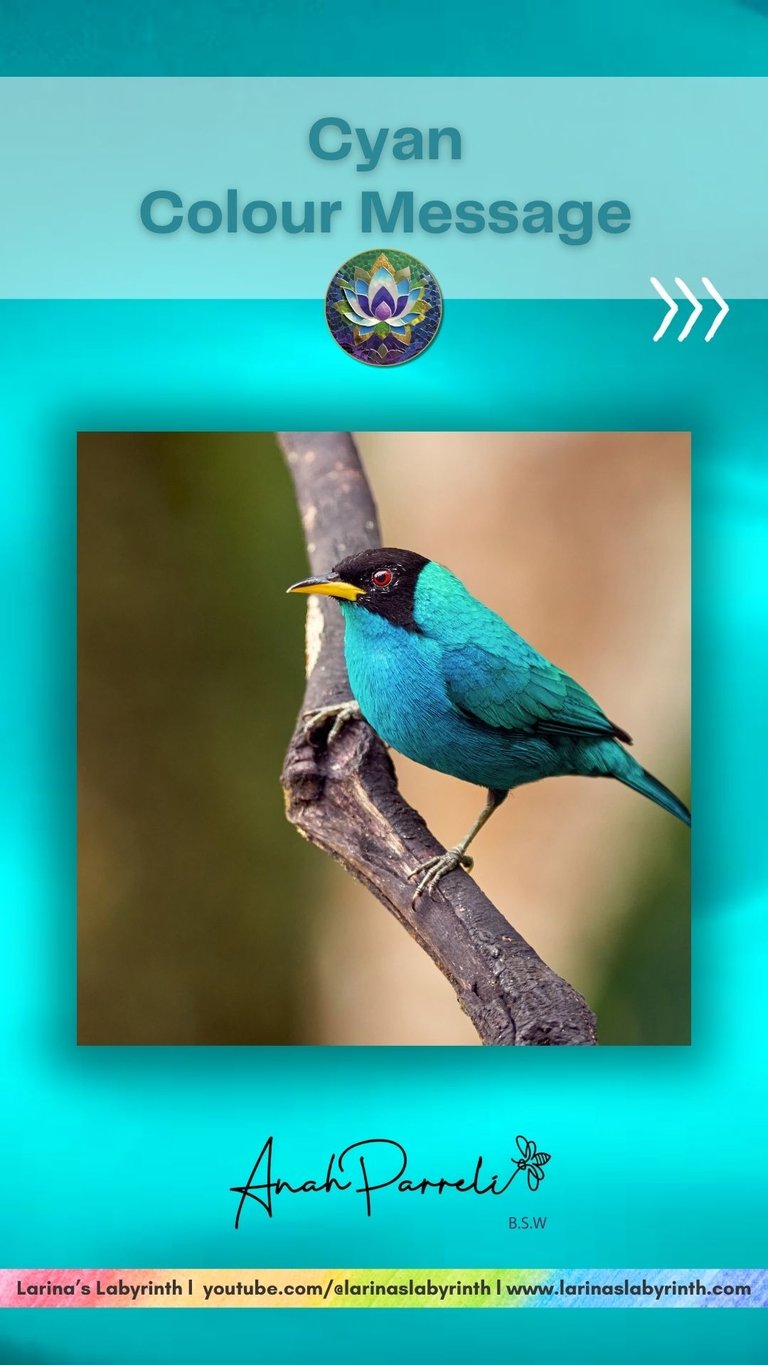
Cyan: Reliability, constructive, communicative, expressive (able to be descriptive) and predictive.
Blue: Intellect/Thinking, Integrity, Professionalism, Communication, Organisation, Negotiation /Mediation, Problem solving
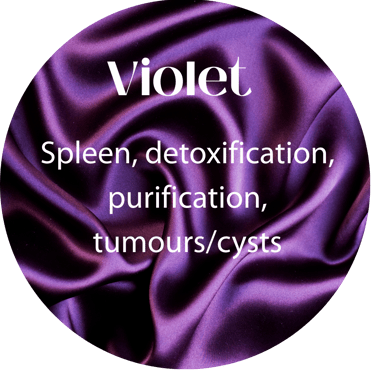
Violet: Balance (thought and emotions), Instinct/Intuition, Knowledge seeking, Symbolism
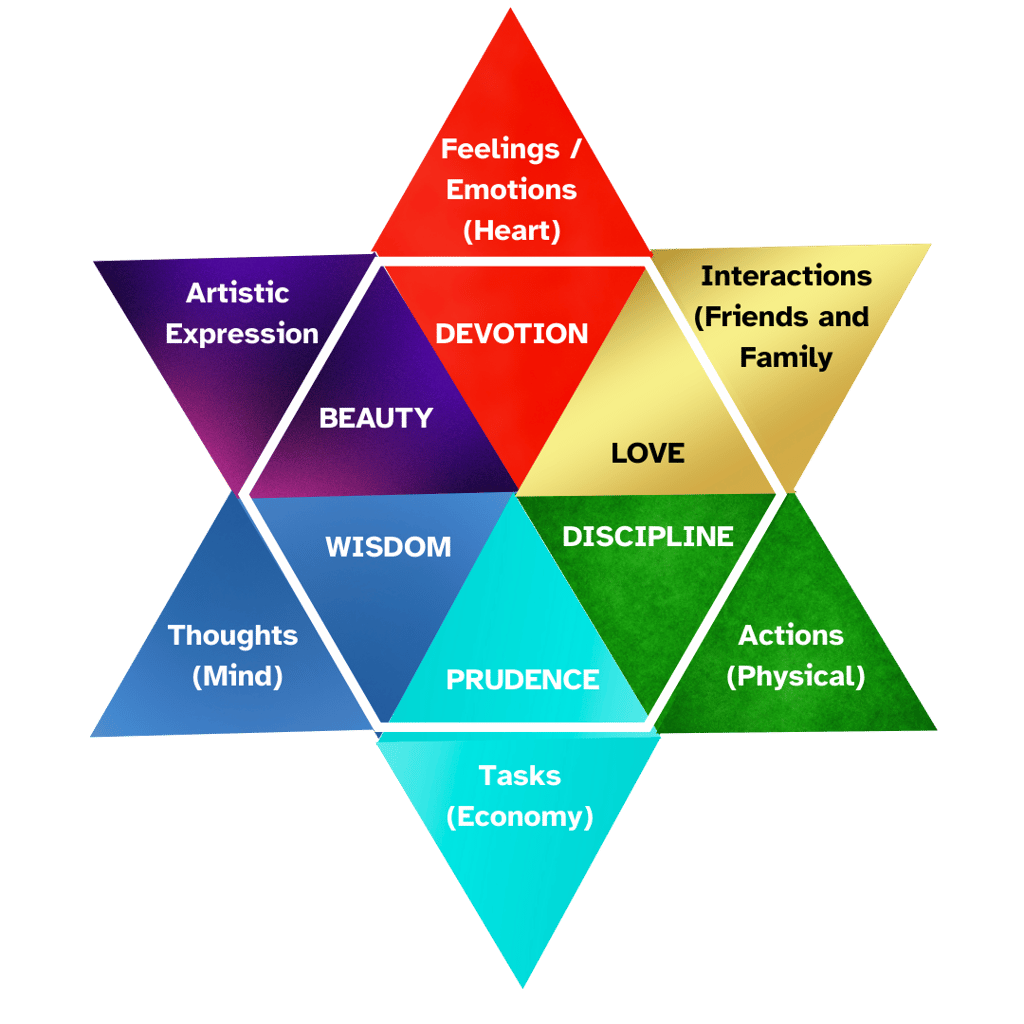
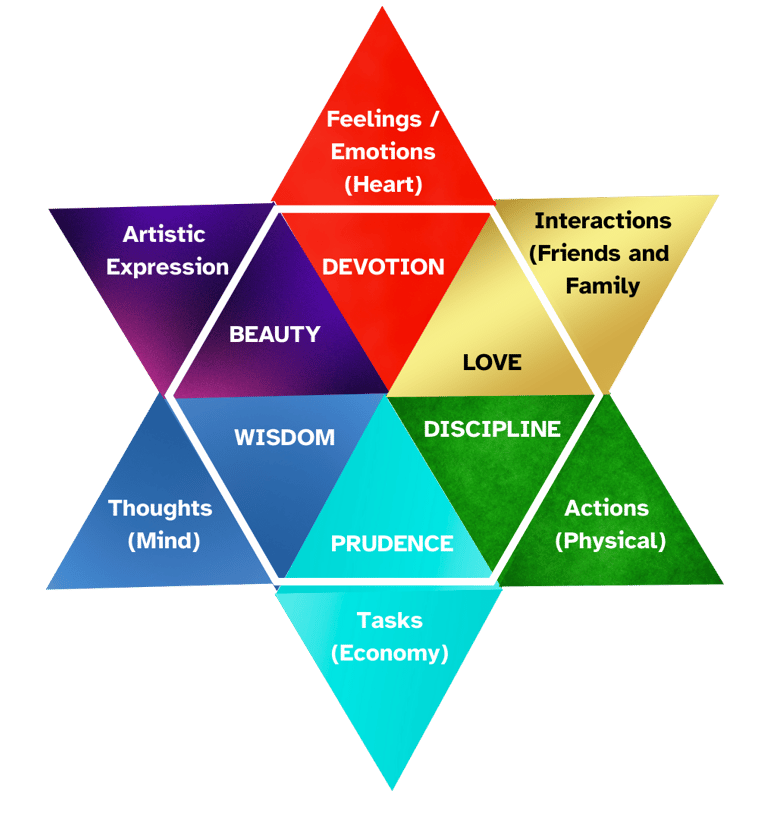
This hexagon was later developed by Myers-Briggs, initially into something similar to what you see in this image here:

Disclaimer and Caution
Any alternative therapy (physical, emotional, psychological or metaphysical information provided by Larina's Labyrinth and Associates is intended for informational purposes only. It is not designed to replace existing medical treatment. You are encouraged to do your own research. Please read the site's Terms of Use of use and the Public Disclaimer.
Colour Therapy
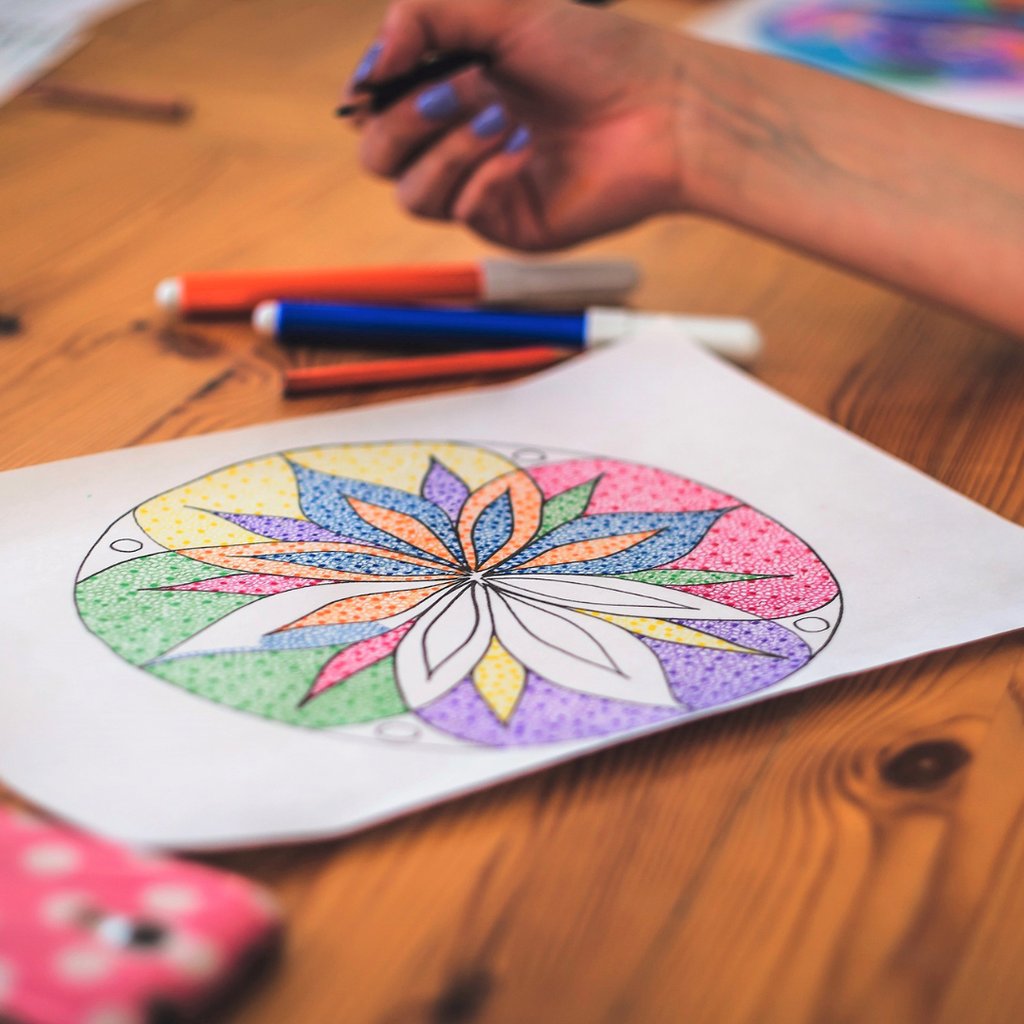
Over time, the concepts of both Freud and Jung have continued to evolve within the field of psychological practice in the assessment of subconscious motivators of behaviour. Jung is known for his use of Mandalas (art) and Dream Interpretation as part of exploring the subconscious and bringing it to the conscious therapeutic setting for ‘unpacking’ – consideration and reflection as part of raising ‘self-awareness’. This practice has evolved into what we now know as “Art Therapy’ with trained and qualified therapists. While Art Therapy can involve dance and sculpture, the original concept came not only from the imagery of painting and drawing but also from the use of colours, which symbolise thoughts and actions people were unaware of. There is not a lot of scientific evidence on the use of colour in therapy; however, it is more widely researched for its ‘calming’ effect on people, regardless of the colours they use as an emotional outlet.
A therapist’s role is not to tell a person what their thoughts are, but rather to promote reflection by the person seeking to make a behaviour change or change the way they think, process their emotions, and hold beliefs. The way a therapist would work with their client (as an example) would be to get them to describe their dream or situation, and then offer the suggestions for the use of colours in their dreams and whether it has relevance to them (for example – emotionally), if for example a person with a lot of red the therapist might say “red tends to symbolise fears around their base survival – are you worried about things like work and being able to pay rent?” or “red can often indicate that a person is concerned about their capacity to survive and thrive – especially in regard to danger – do you have fears of death/dying, or alternatively are you focussed on being able to survive in a dangerous world?”. The client’s response might simply be “none of the above – I’m just really reactive and easily triggered and when I’m triggered, I feel like ‘breaking things or people’, which clearly indicates that there is a need for change because these thoughts can be dangerous to the person or people around them. So, the therapist would help the person learn to manage their emotional responses. Colour therapy is not so much a ‘diagnostic tool’ for mental illness, but rather a ‘tool for reflection’. Reflection is a process of:
Recognition: Noticing things such as being drawn to or repelled by a colour or colours.
Understanding: Exploring the symbolism of the colour (and if it applies to the person and their situation)
Action: Establishing the area of change, and taking the relevant actions (within a mental health setting – this would be working with the therapist to create a goal plan for change, and the steps toward making the change).
Tips for Therapists
When using colour as a diagnostic tool or to assess another person's health and wellness, it is essential to consider a person's cultural influences. For instance, in some cultures, white is a colour associated with ‘death’ or ‘mourning’. In contrast, in others, a funeral or mourning period is related to the colour ‘black’. Additionally, the colour red has mixed associations across cultures: in some cultures it is perceived as a happy and prosperous colour. In contrast, in others it conveys danger and fear. The shade of a colour also has relevance to unpacking the emotional state (lighter or darker). Darker shades may indicate stronger emotional responses, while the pale ones are very subtle. The colour mixes of shades highlight the spectrum and the chakra links. Other colours with opposing cultural interpretations include the colour purple, which is symbolic of wealth and royalty in the Middle East and Western societies. In places such as Italy, Brazil and Thailand, it is a colour of mourning.

Raising Self Awareness with Colour
From an individual and personal perspective, a person does not need any specific training in colours to raise their levels of self-awareness, self-knowledge, and understanding. It is through knowing ourselves and understanding our motivations and subconscious triggers that we learn to manage our responses and create a healthier living environment for ourselves (and those around us), which allows us to experience greater levels of love. Whether we are spiritual or not, when we can harness our ‘personal power’ (rather than overpowering or intimidating others, but instead taking responsibility for our choices, actions, and the direction of our lives), we can make healthier decisions in the present and for the future. Having a good therapist or mental health worker can be helpful, but it is not essential. Therapists help unpack and process information, but you can also do so through commitment to personal development, setting a ‘reflective framework’ around your colour exploration, and retaining an open mind. Everything in life is polarised, with both positive and negative aspects. Positive includes balance and results in happier outcomes; negative can be extreme or completely inactive.
Am I attracted to or repelled by the colour?
Does my behaviour reflect the positive or negative attributes of the colour?
Will the colour influence my behaviour in the direction I would like (for example, keep me motivated and committed to creating change OR is it a colour that carries the properties of keeping my emotions stabilised and calm, and enhances my communication and personal expression as part of problem solving?
What is the possibility that there are chakra blockages (or imbalances) that refer to the Chakra function?
Considerations:
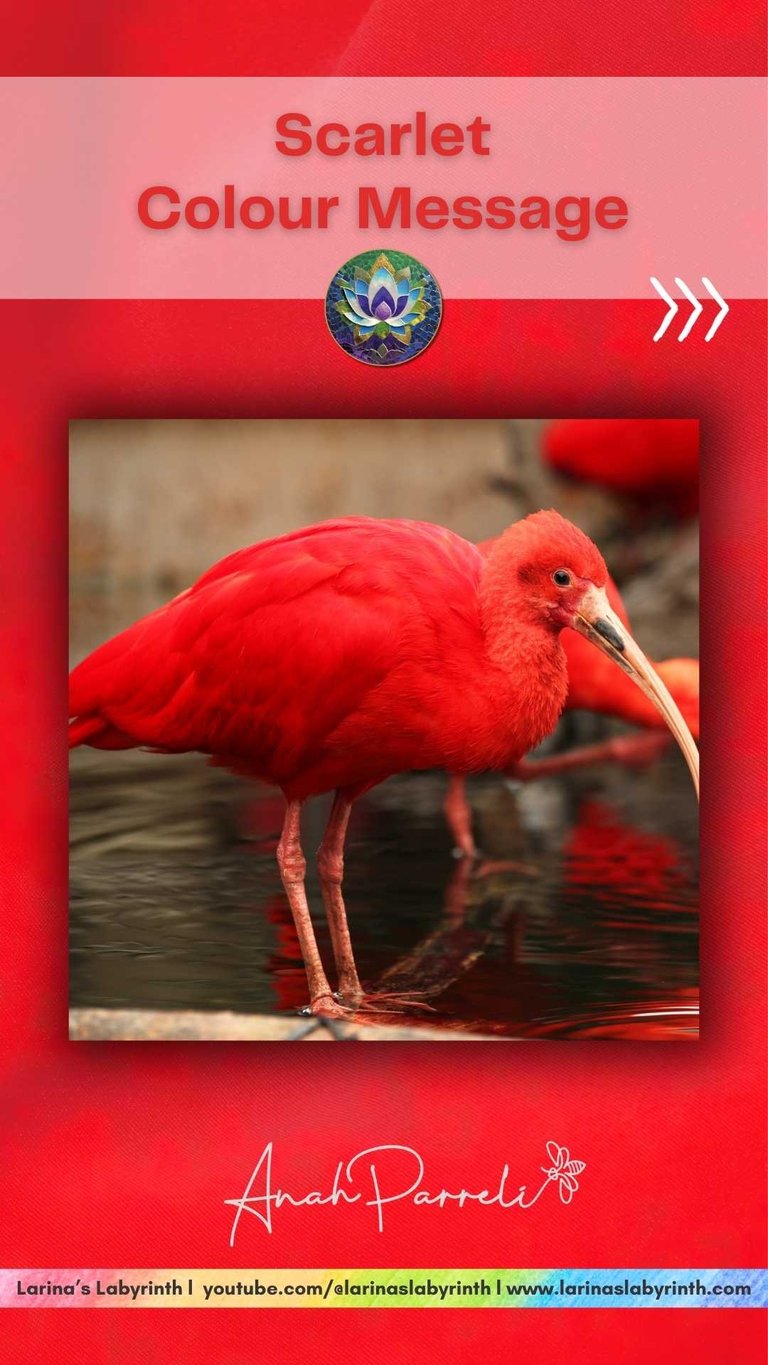
When treating specific conditions and disorders such as depression, it's essential to work and energise both the throat and the sacral chakras consecutively, so it's important to establish the chakra related to the condition you're treating. Another consideration is that personality types will gravitate toward different hues. For example, you might find that scarlet is repelling, but blood red is energising and warming. Many of the fire signs are not drawn to pale and pastel shades and need stronger, more vibrant hues. Water signs might find vibrant shades too ‘heavy’ and need paler shades.
Note: At the end of the day, when it comes to interpreting the colours and the meanings that they have or convey to you regarding your own personal development, and areas for ‘improvement’ or recognition of ‘strengths’, you are the best judge of what is and what isn’t. You might find, through ongoing reflection on attitudes, that the associations listed here regarding colour hold completely different meanings – and that is perfectly fine!

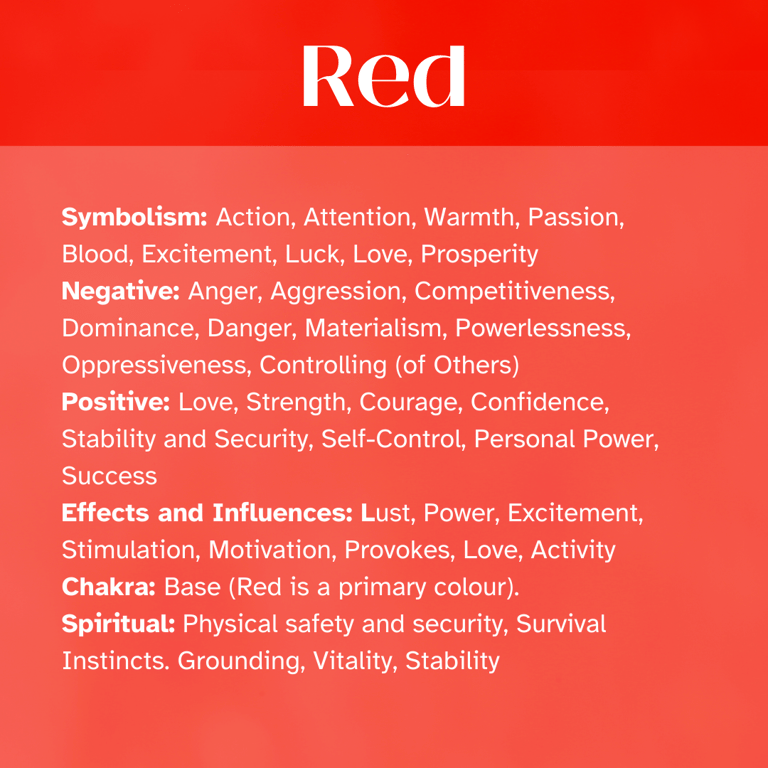
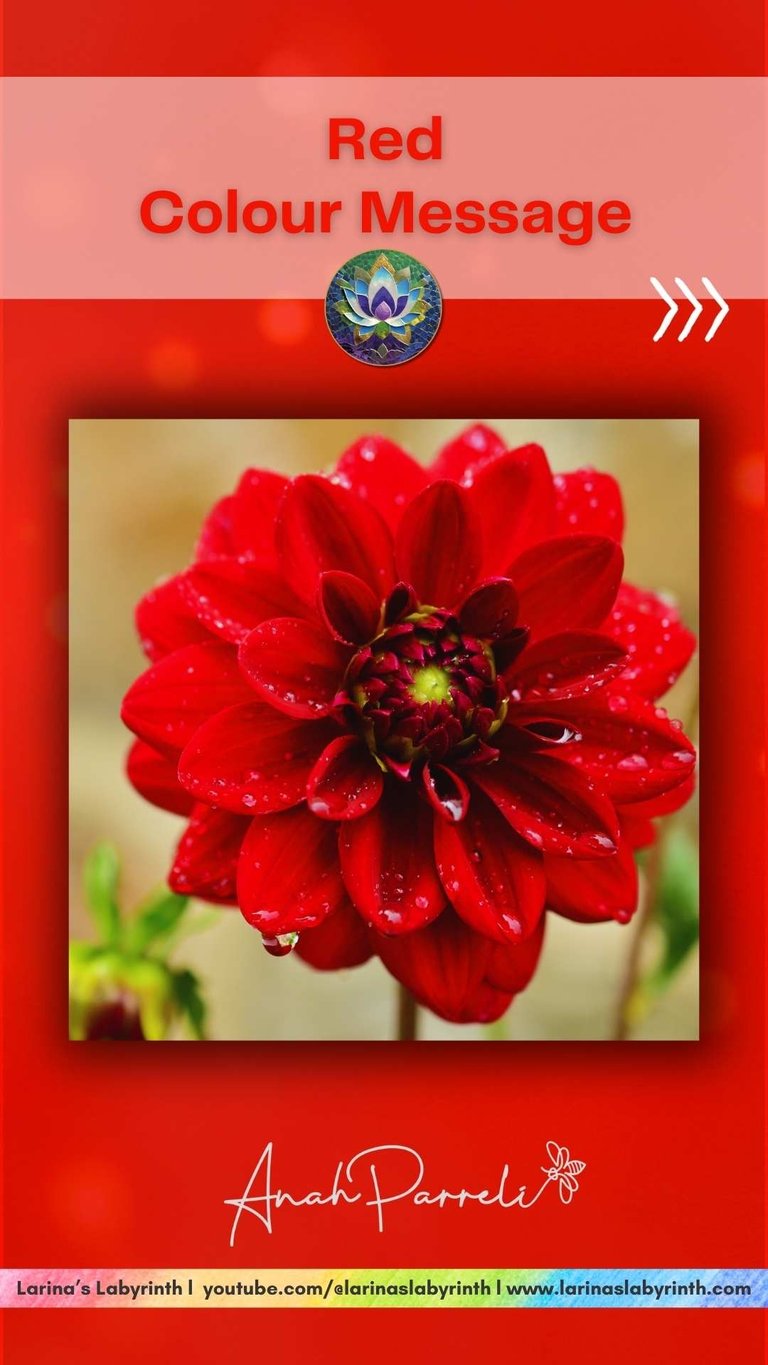
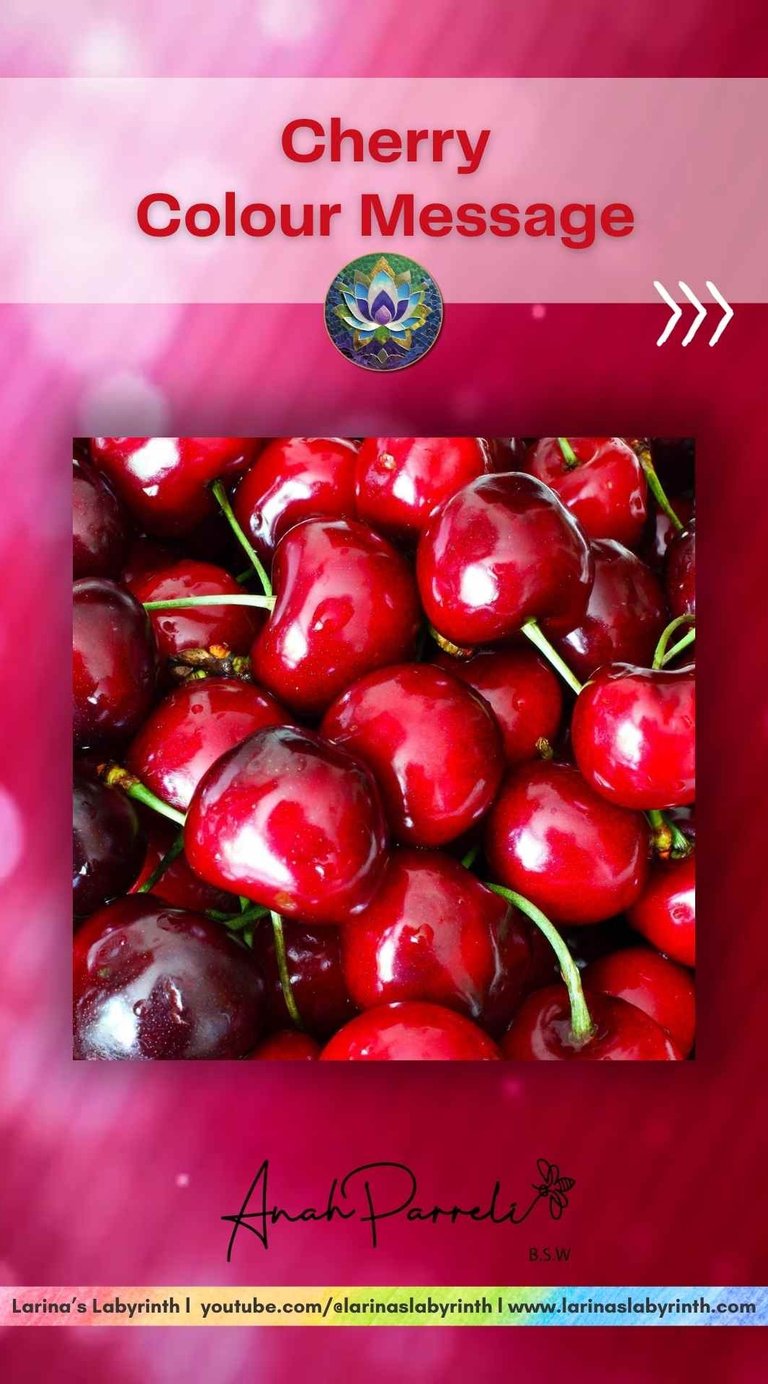
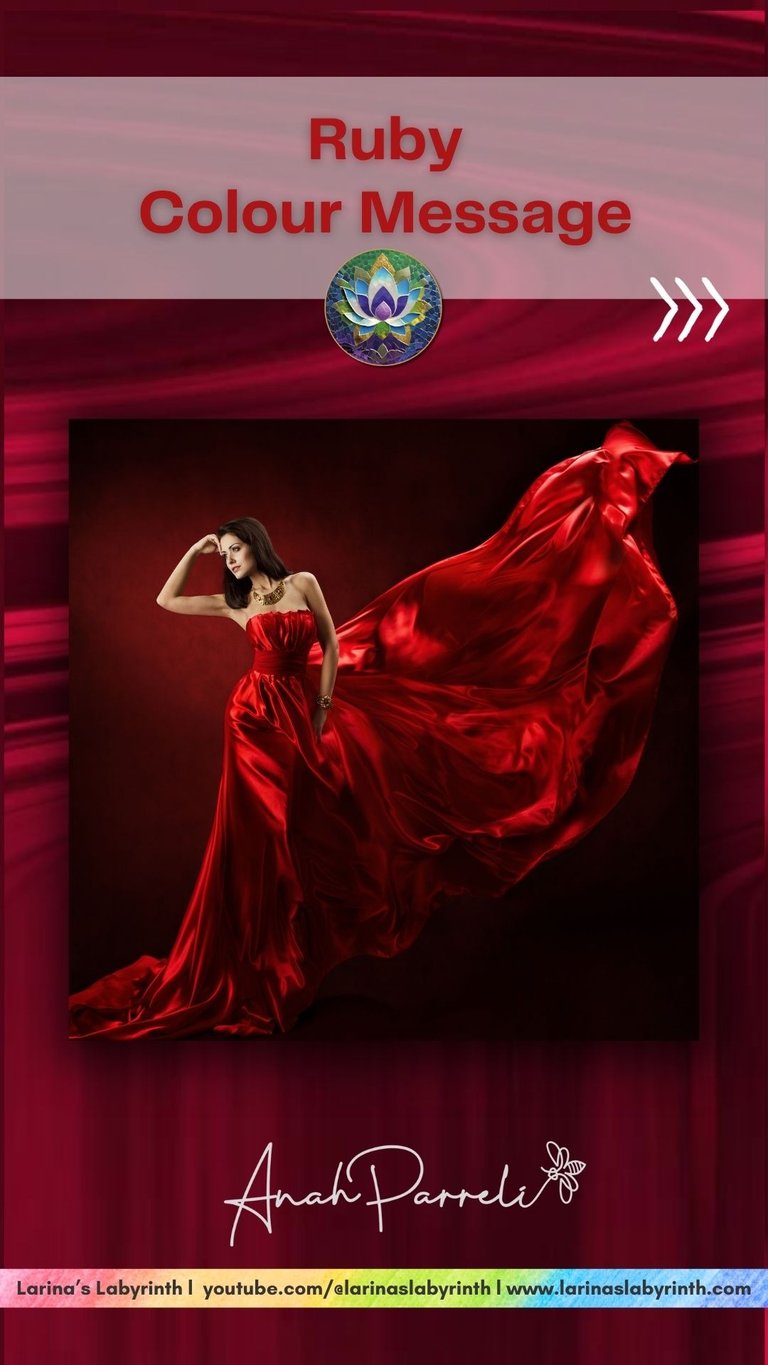
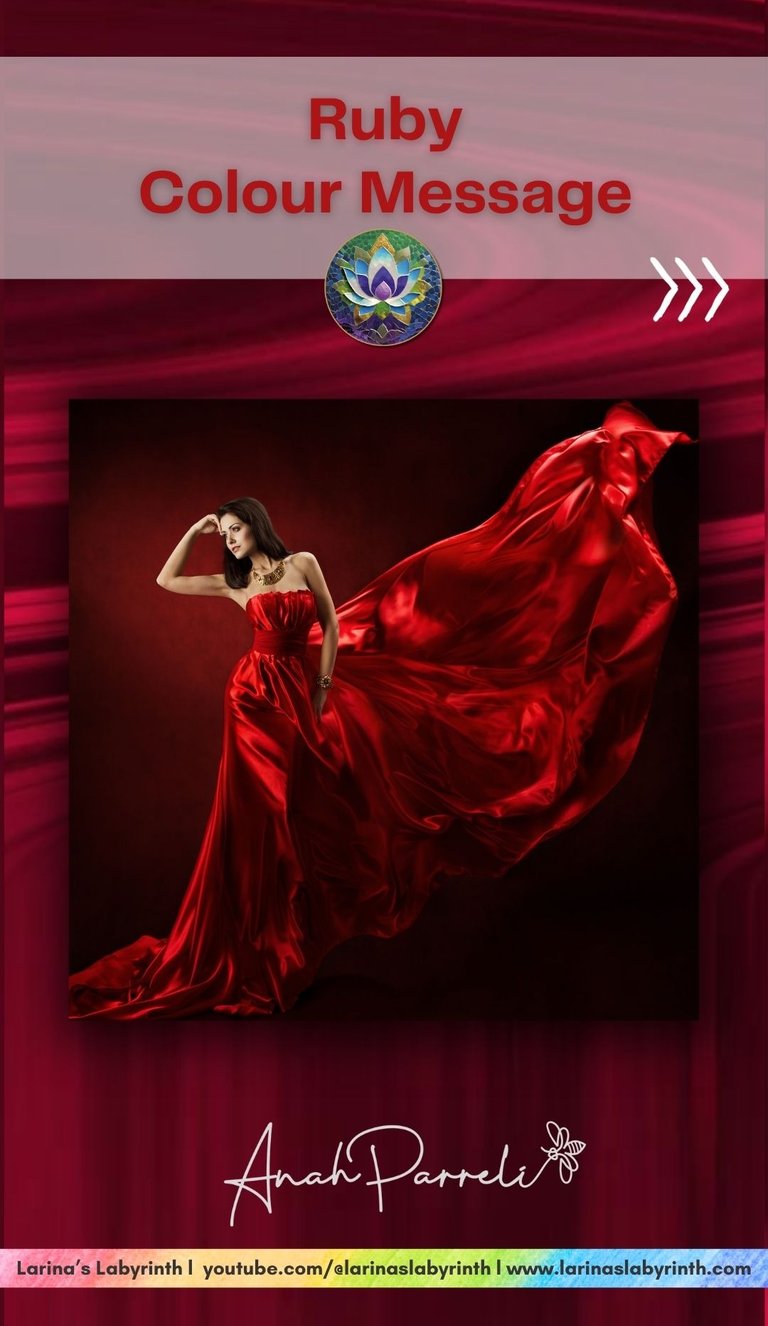
The colour Red and its symbolism are related to blood, an intense colour. The symbolism varies with different cultures, but generally represents love, vigour, energy, courage, and even danger. Associations with passion, anger and risk tend to be linked to physiological effects- with facial flushing, when highly emotive, and because of the links to adrenaline and activity. It’s a higher-energy colour that motivates and inspires a person to take action, especially when there is a threat to life and livelihood, whether physical or related to apathy, stagnation, or procrastination. Red is a colour that increases a person’s vitality and will to live, as well as feelings of safety and security. People who are struggling to address material survival concerns (due to thoughts or situations) may be drawn to or repelled by the colour red.
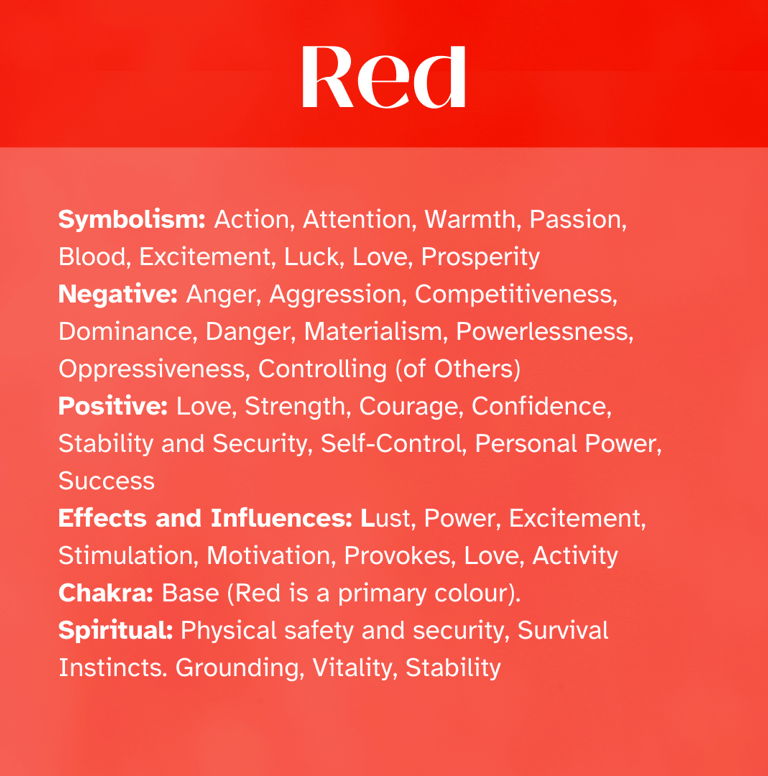
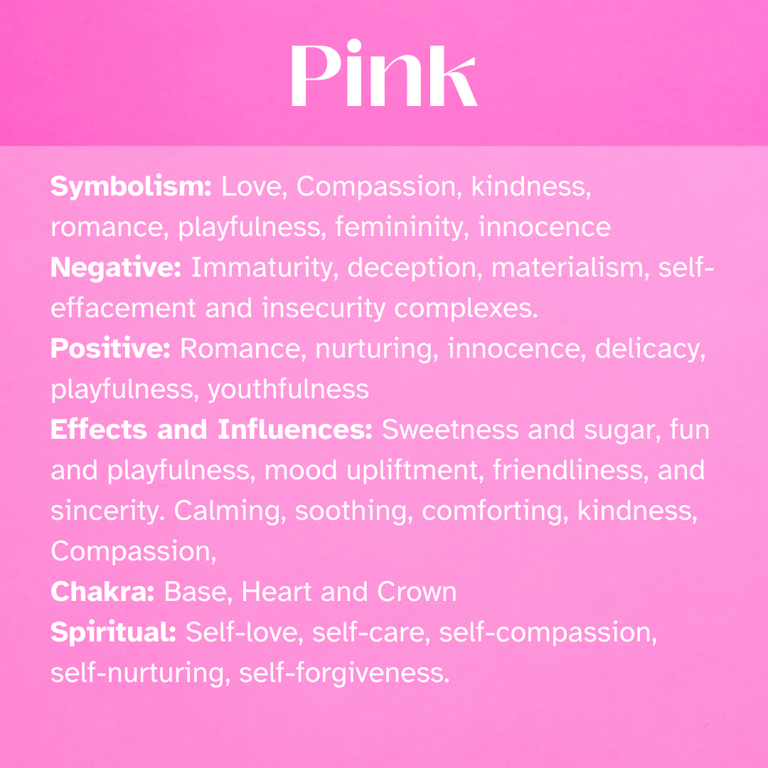
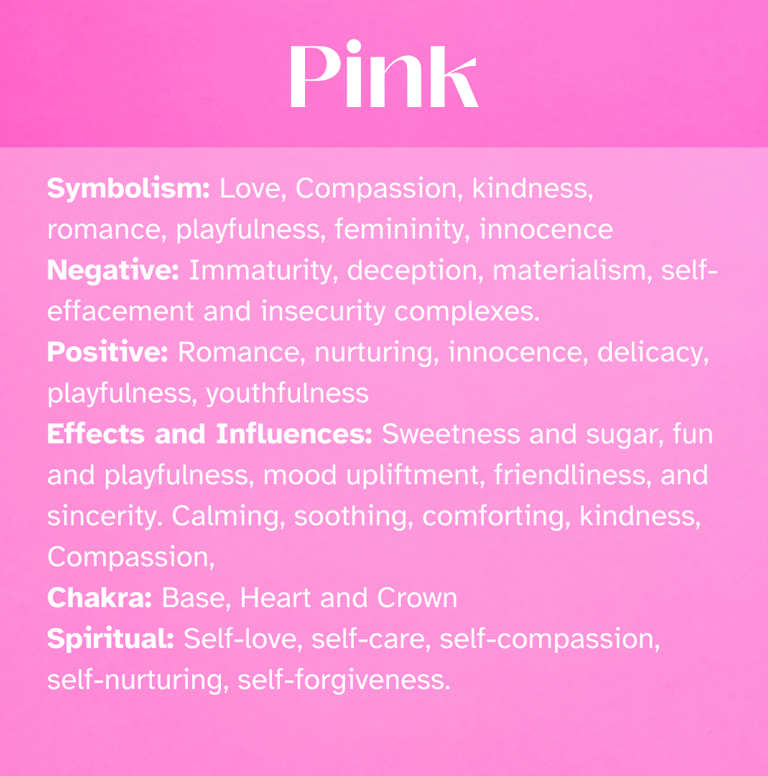
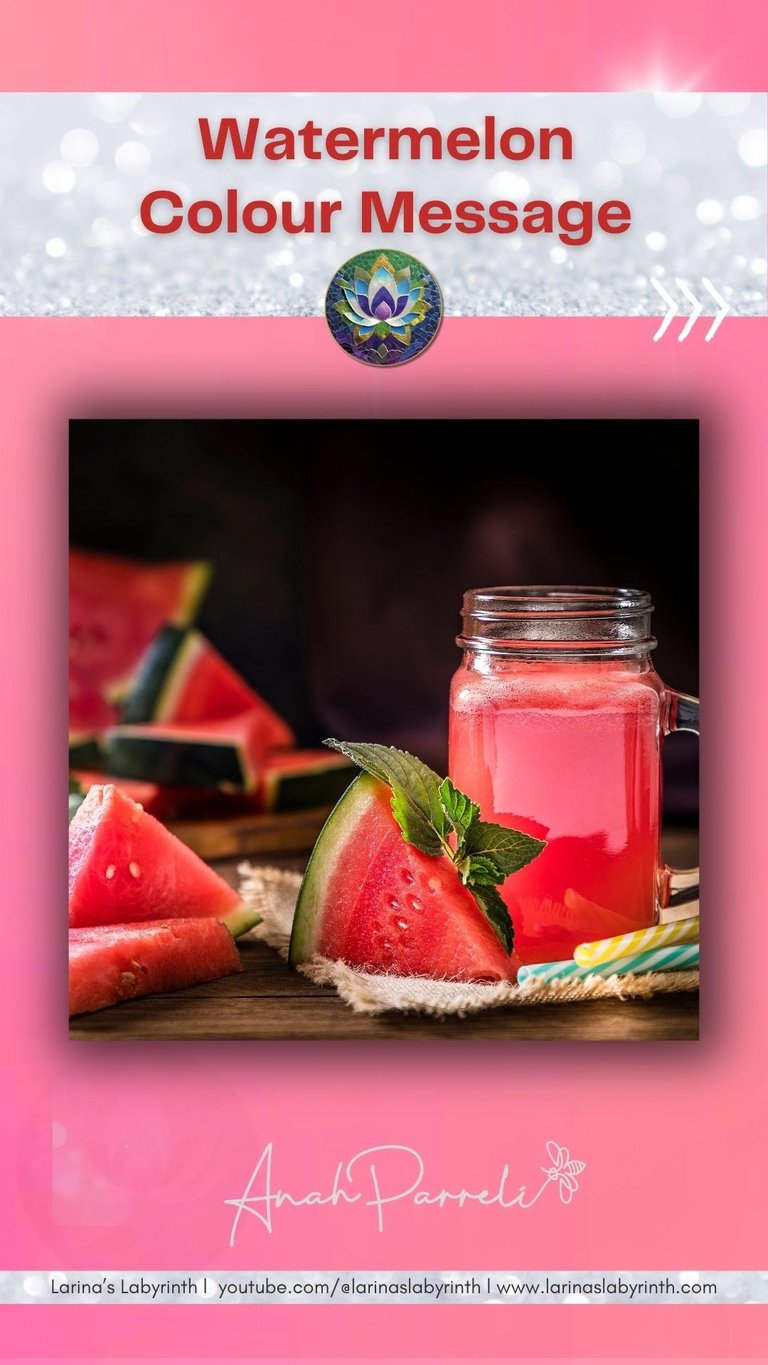
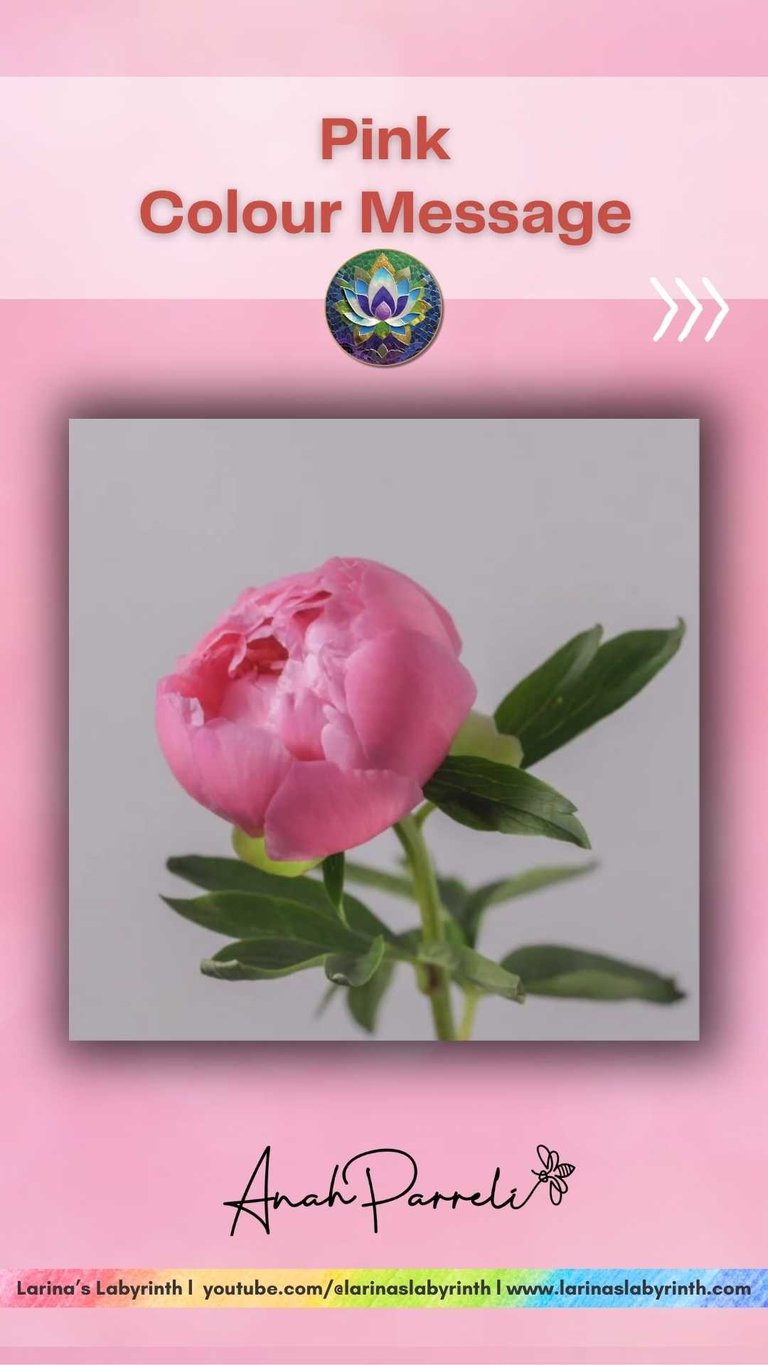
Pink is a mixture of both red and white, so it carries and conveys aspects of biology and basic needs (including love); however, the white teaches enlightenment, so it is less about lust and more about unconditional love, care, and empathy. It is a gentle, loving aspect that has an element of innocence and naivete; any hardness from emotional pain dissolves. The shade of pink will allude to the emotional aspect. For instance, the stronger and more vibrant hues of pink will be more ‘base needs’ while the paler hues are often associated with a person’s receptivity to love and their self-esteem. People with low self-esteem and a lack of self-worth (believing they are inherently flawed or undeserving of love because of their mind chatter and scripting) are often drawn to the softer, paler shades of pink. However, everything is contextual, and so are the pinks. Astrological fire signs and strong personalities tend to be drawn to vibrant hues such as Fuchsia pink, as do artists and other creative, flamboyant personalities. In contrast, the water signs tend to be drawn to the softer, paler shades, finding the darker shades too intense. Often, the primary family caregiver tends to sacrifice their own physical and emotional needs for the unwell family member (s), and they would be encouraged to put in place some healthy boundaries that allow them time for self-care, rest, and respite.
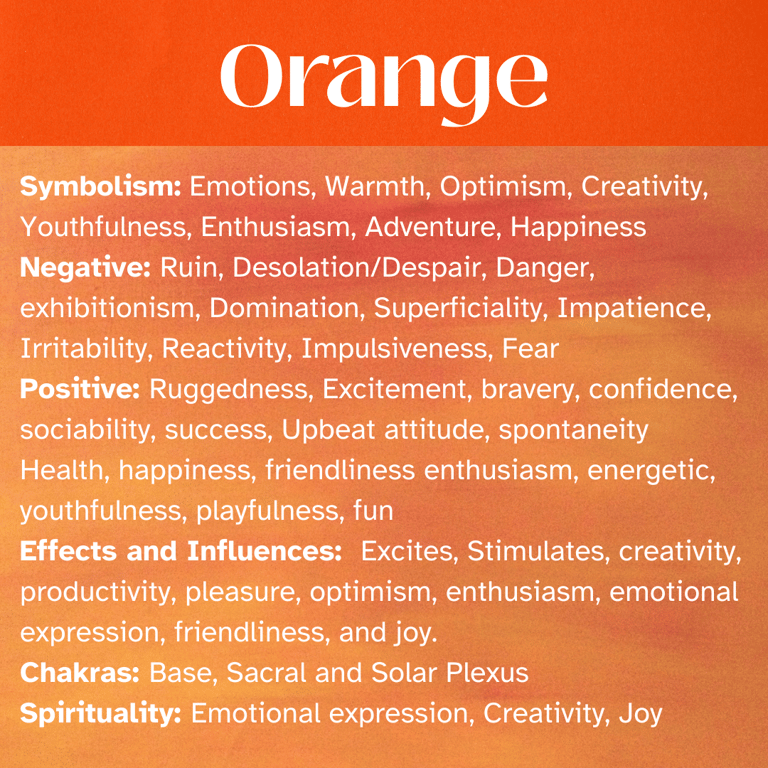
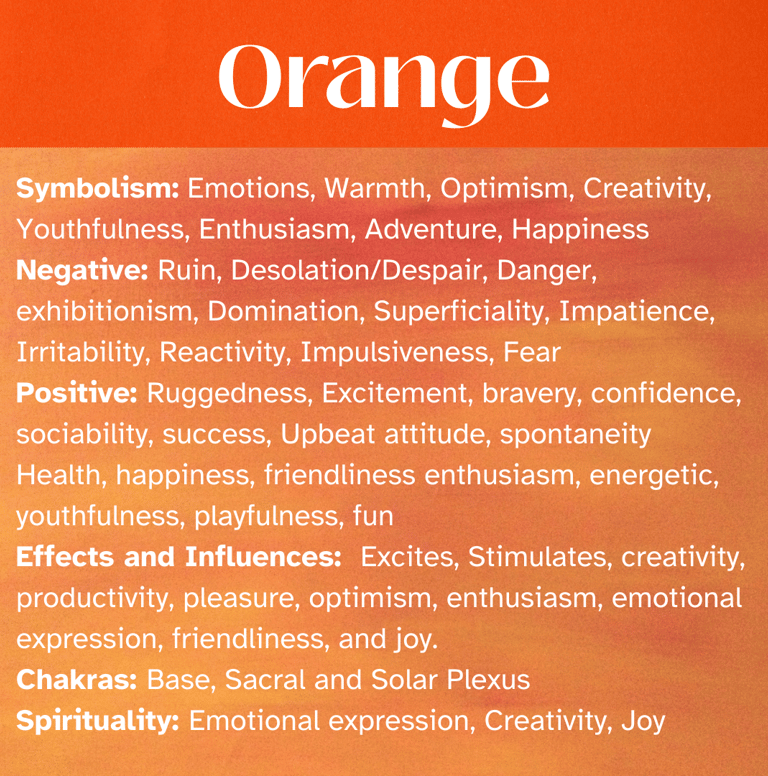
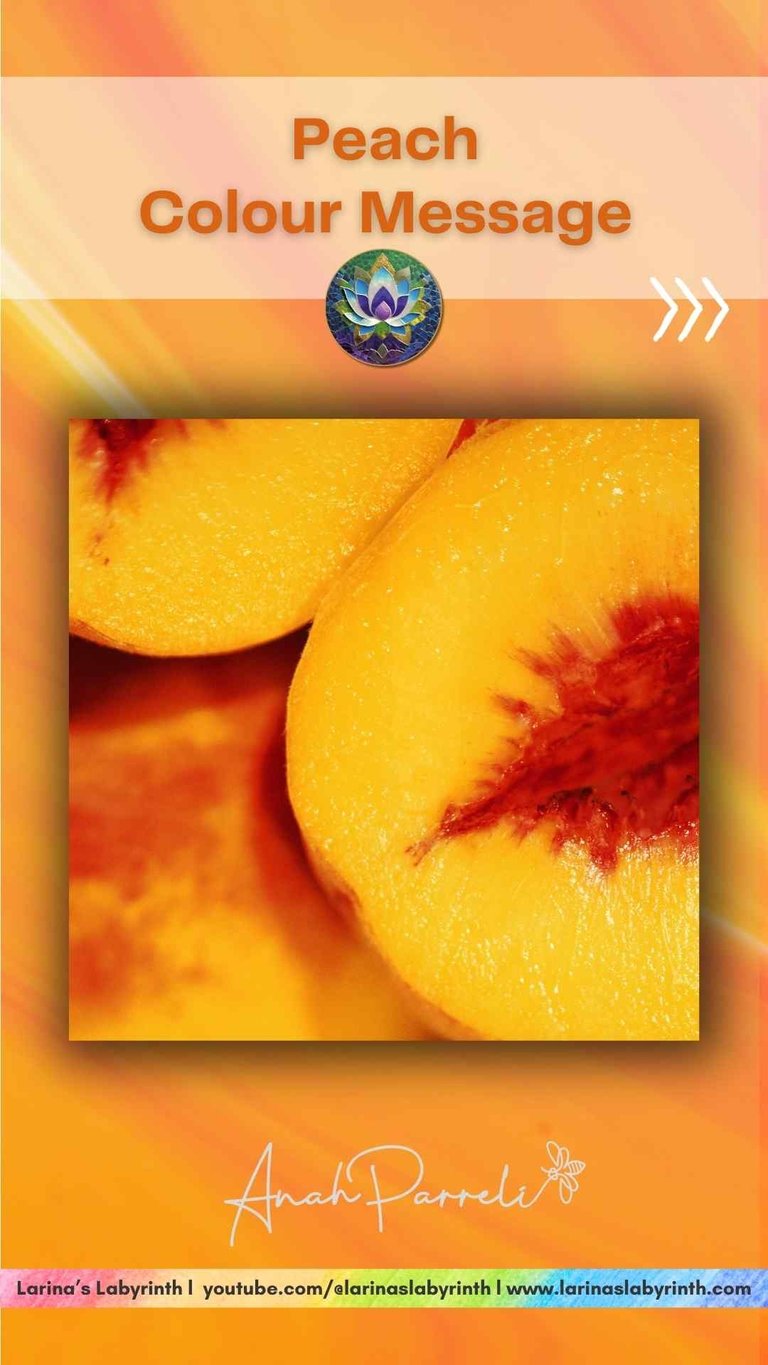
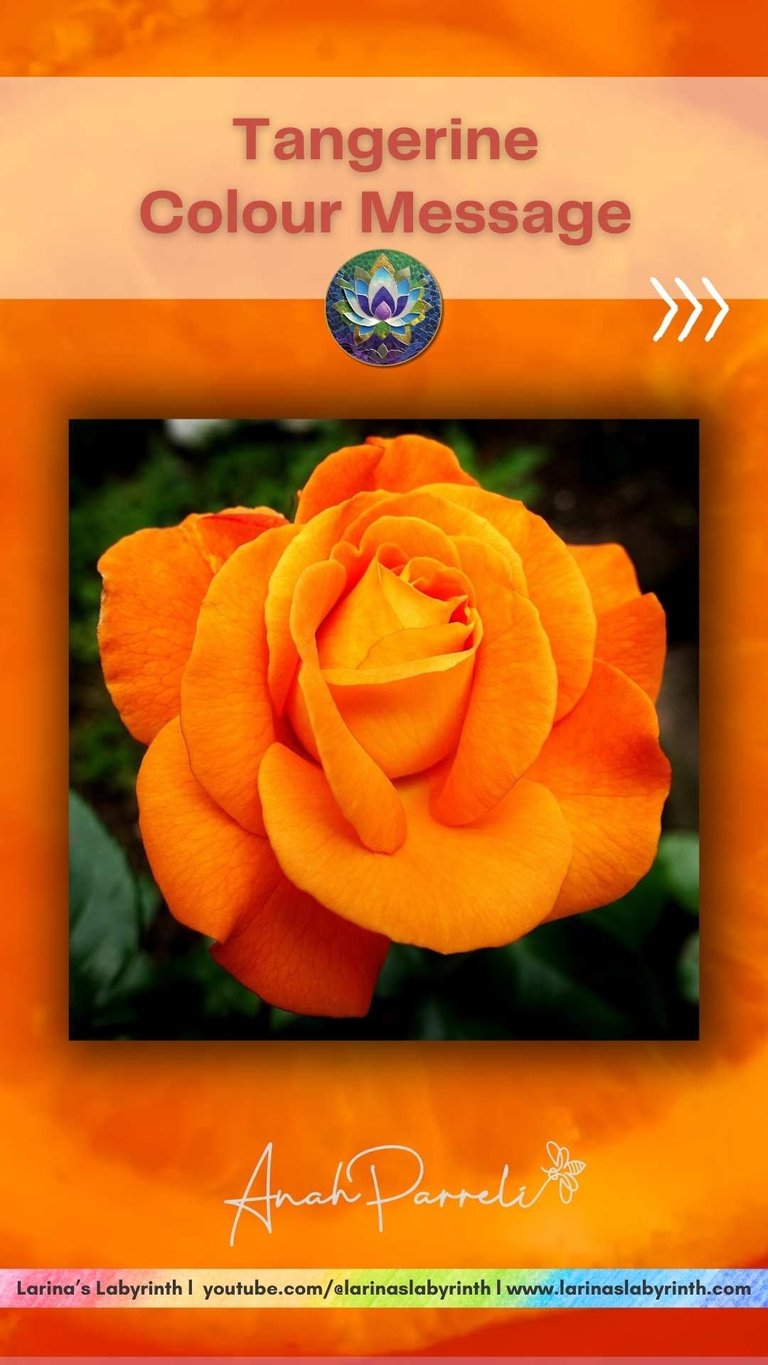
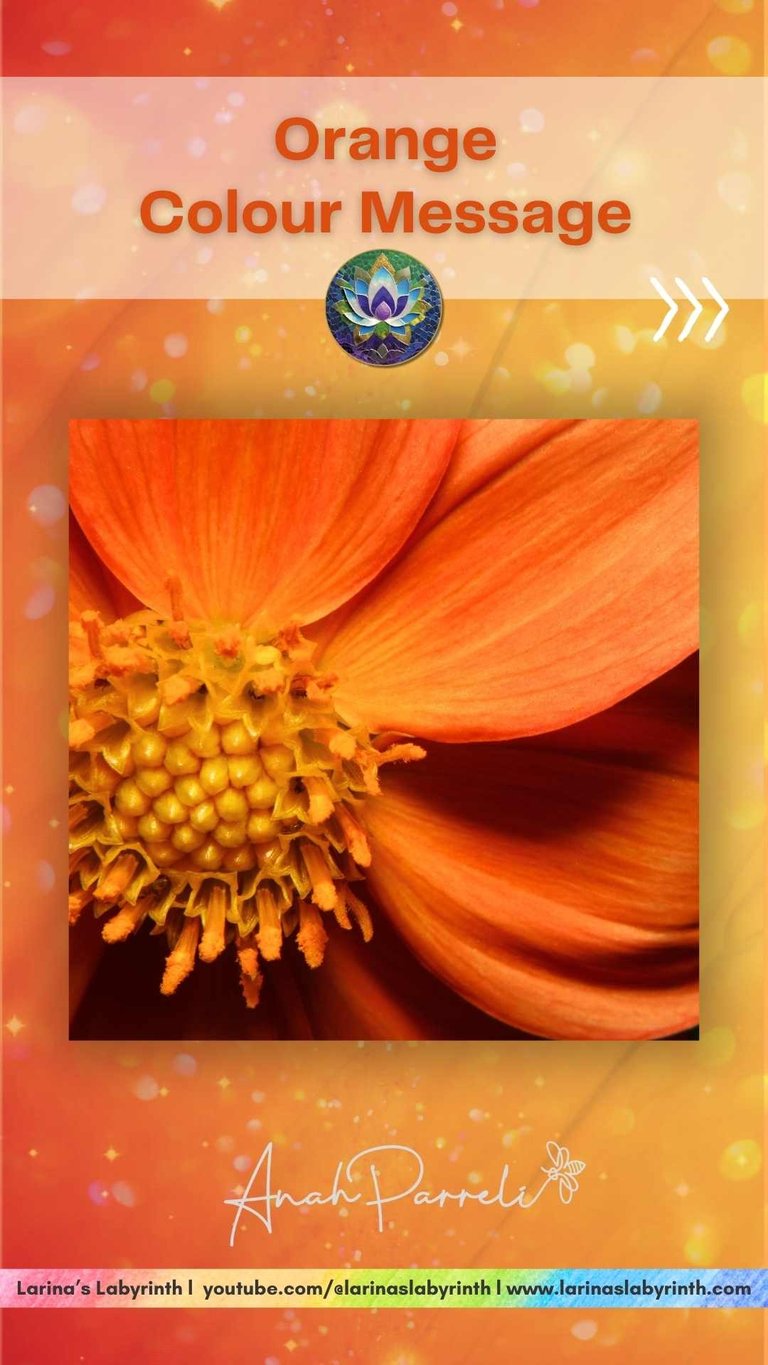
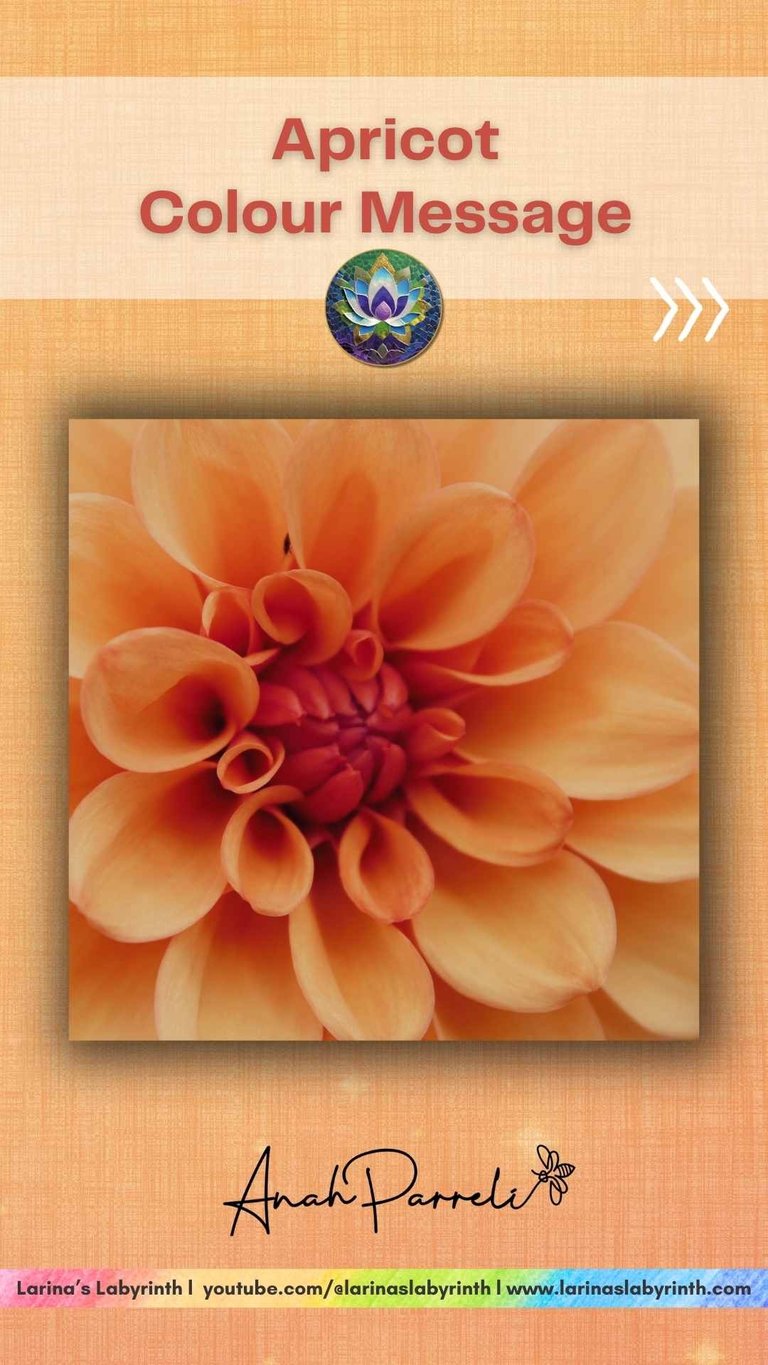
The colour Orange is bright and energetic, promoting and inspiring creativity. It is a mix of yellow and red and will influence the function of the three lower chakras. The lighter shades and hues may carry the colour white, and the paler colours will be more uplifting than the deeper, brighter oranges. All shades of Orange will encourage a greater joy of life. A cheerful colour that promotes creativity and artistic expression, it is no surprise that it is popular with artists, as part of their personal expression, and is a fun, flamboyant colour. Too much Orange can lend itself to superficiality, insincerity, indifference, exhibitionism, and levels of self-absorption and self-centeredness. Using Orange as a complement with other colours can be helpful for some mental health conditions. People attracted to the colour orange are generally highly emotional (and may express their emotions in positive and creative ways, such as artistic endeavours) or may be suppressing them; when released, these emotions can lead to explosive reactions to ‘triggers’ that leave them overwhelmed. They may struggle to understand their feelings or to articulate their depth and impact. They may benefit from exploring emotions (primary, secondary, and tertiary) as part of developing their self-awareness and achieving their potential. When a person is drawn to both Orange and the blues, it can indicate that the person is struggling with feelings of depression and despair; however, when the Orange is associated with some of the shades of green, it can reflect that the person struggles with anxiety and trauma-type conditions and symptoms.
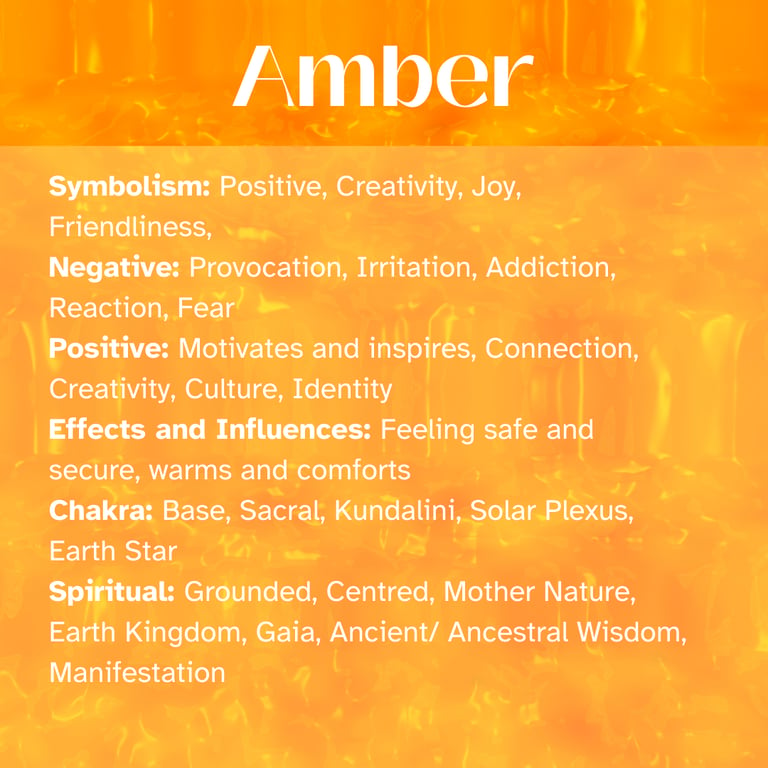
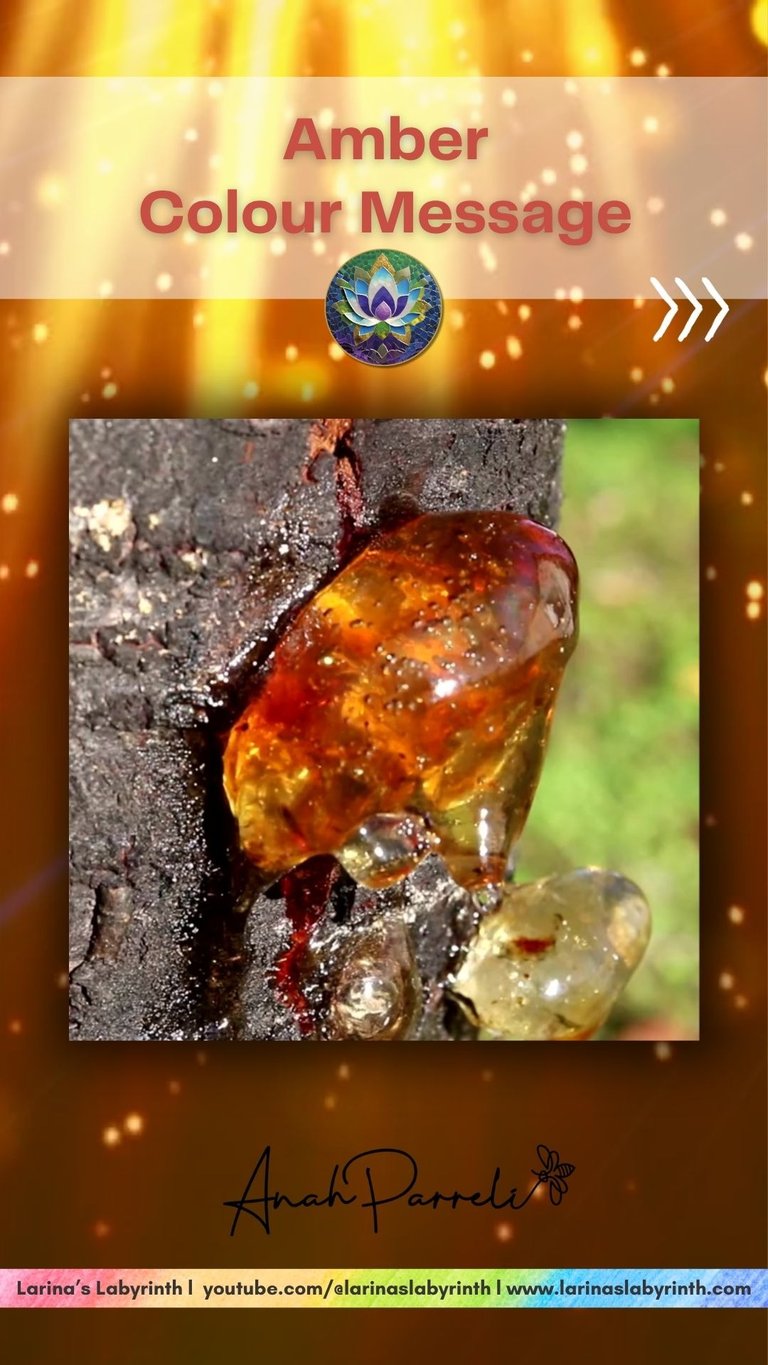
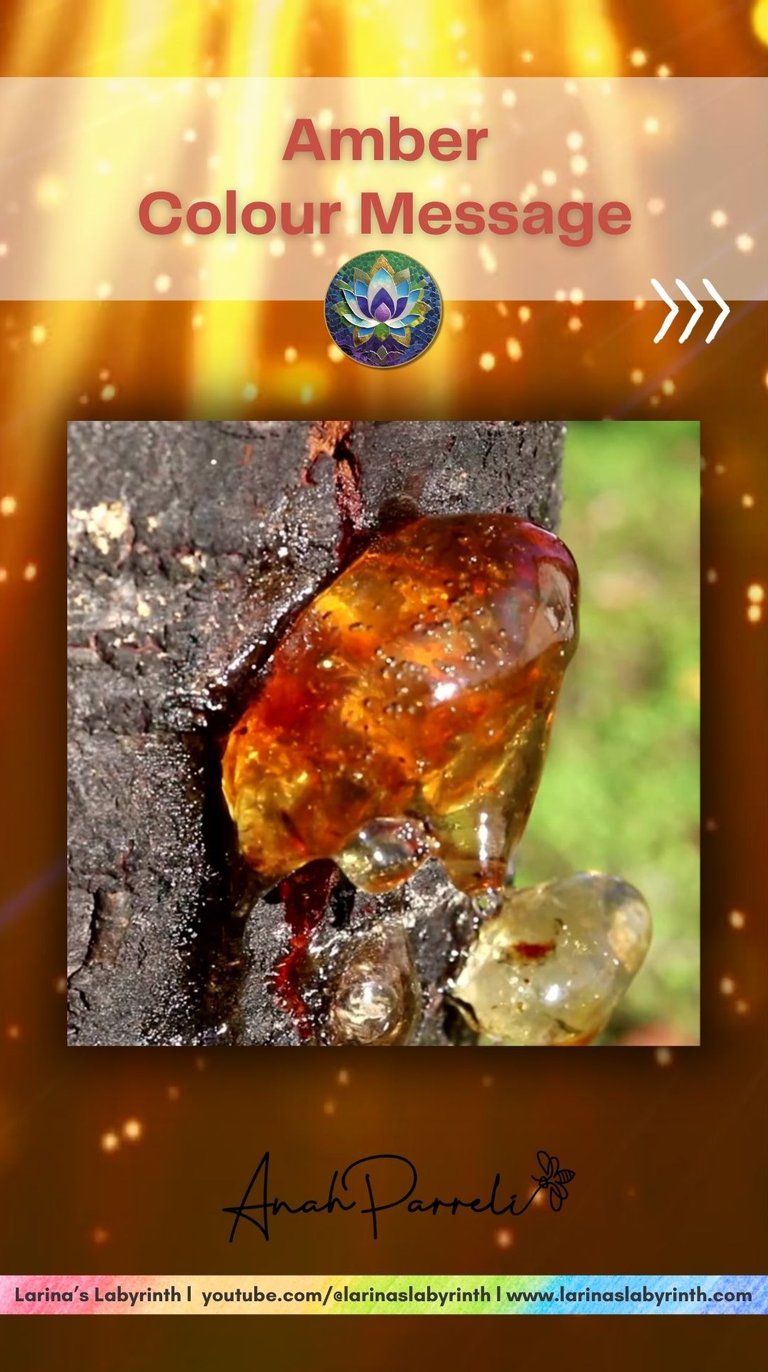
Amber combines the primary colours yellow and red, and gains depth from the addition of brown, which contains a small amount of the primary colour blue. Therefore, it has a practical aspect and a grounded rationale. It reflects a positive attitude to life, with a friendly demeanour and a sense of pleasure and joy. Overuse of it may suggest that a person would like to invite these attributes into their life. Sometimes it can reflect a person who has survived child or sexual abuse and is struggling to overcome their issues around sensuality and to be able to have meaningful relationships with people, or suffering from mood disorders, particularly depressive ones. If a person is feeling stagnant or disempowered, Amber is said to reinvigorate, energise, and motivate them to make practical changes in their lives that invite more joyful experiences. People attracted to the colour amber are usually those who are actively attempting to manifest or create something in their lives that they believe will lead to greater happiness and more joy for them in practical ways, but have not yet mapped out the steps to sustain and uphold their vision of the completed project. Tips for using the colour amber include using it as a complement rather than a standalone, for instance, balancing it with blues, or as scatter cushions in a family room.
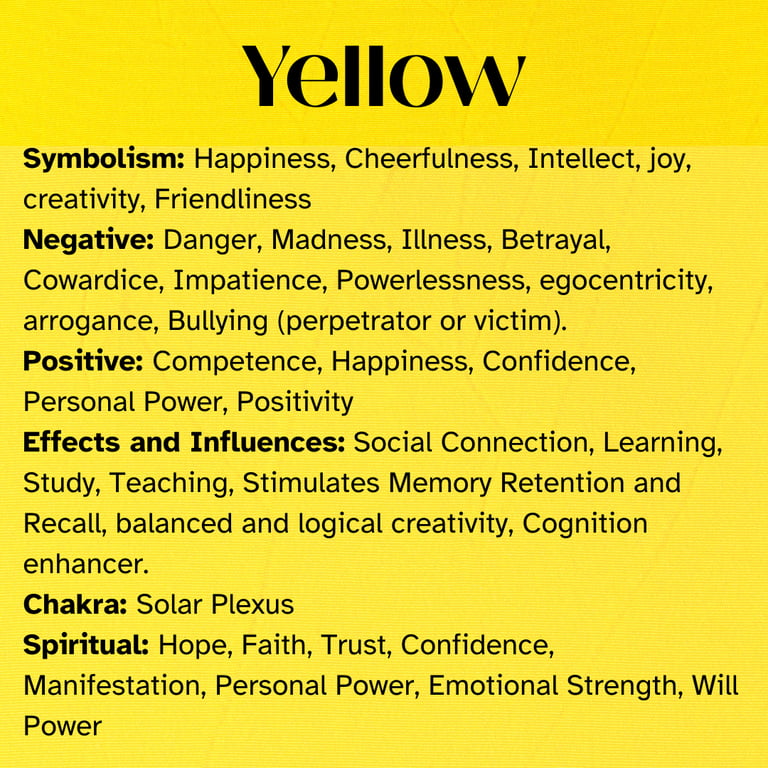
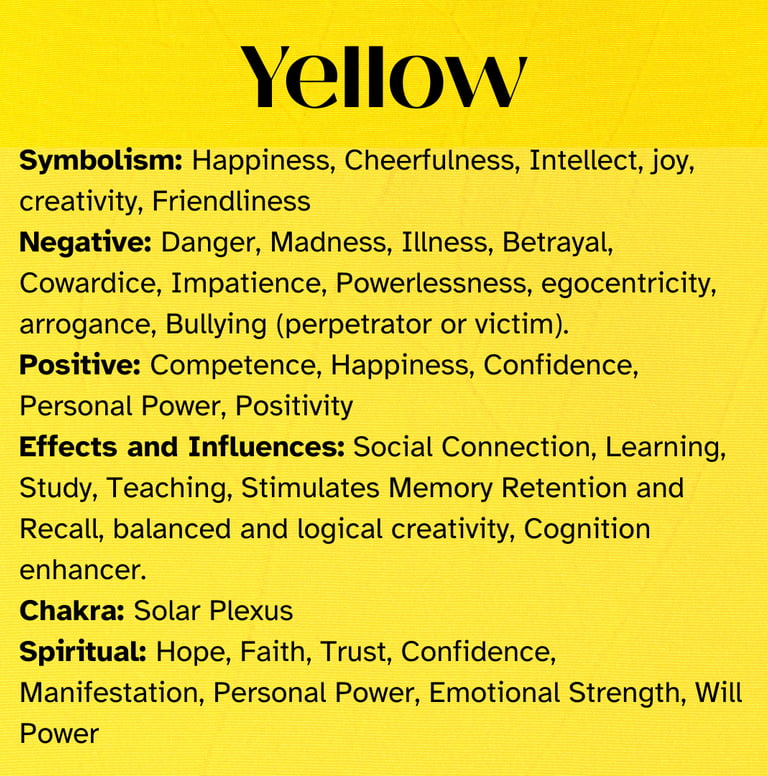
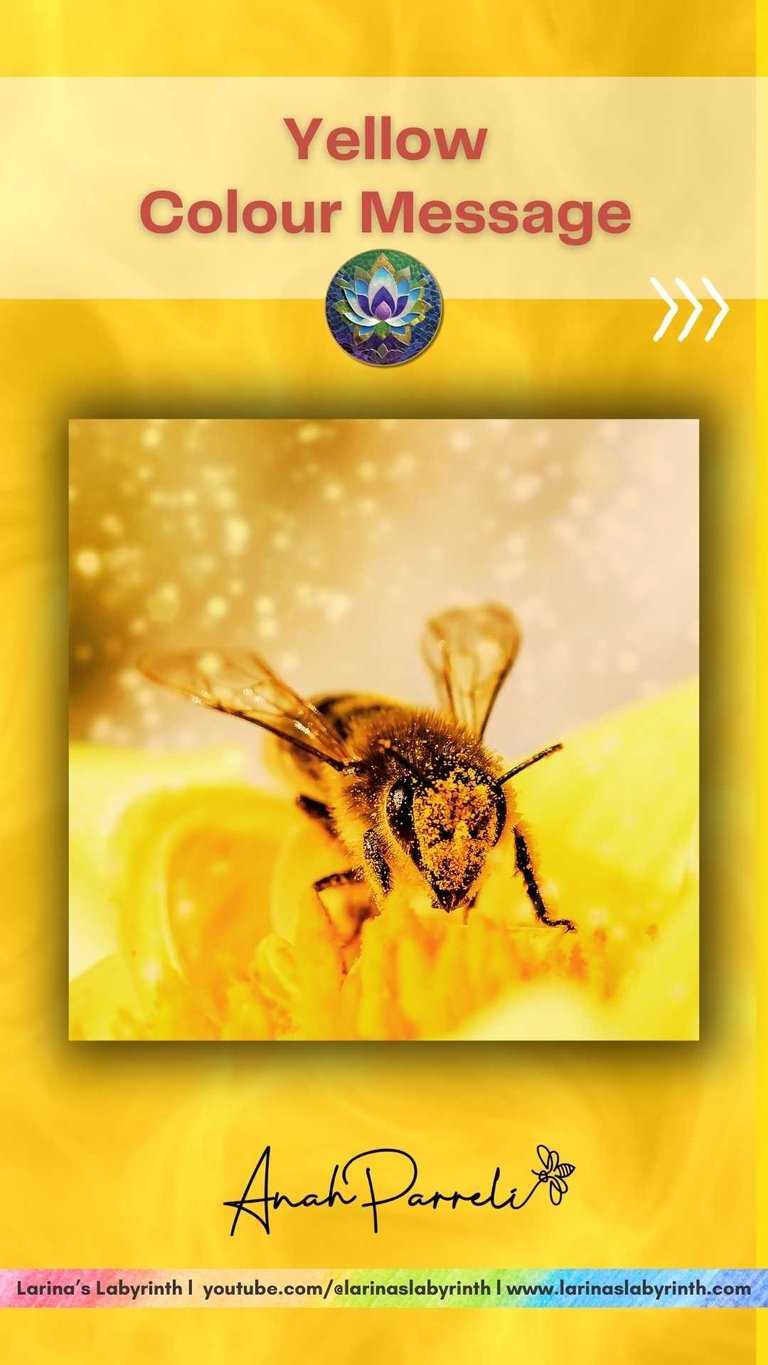
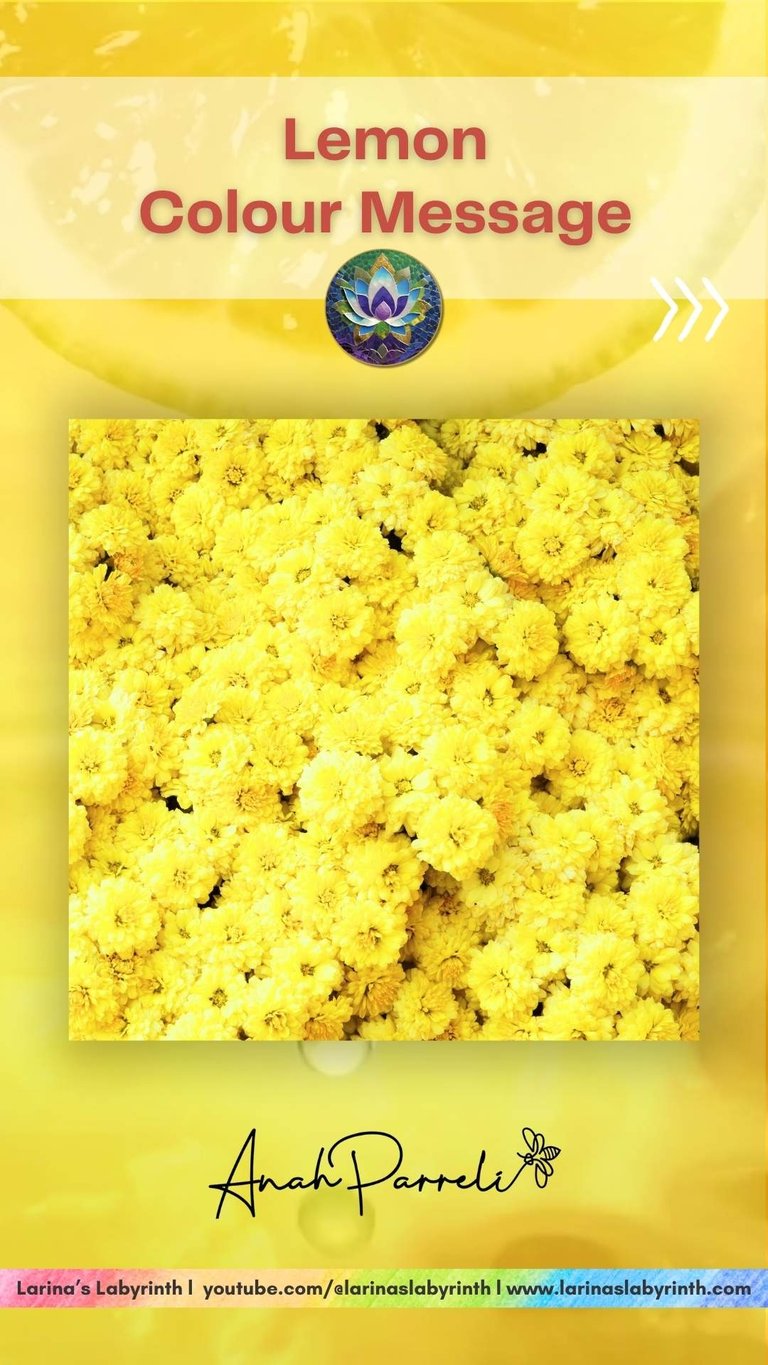
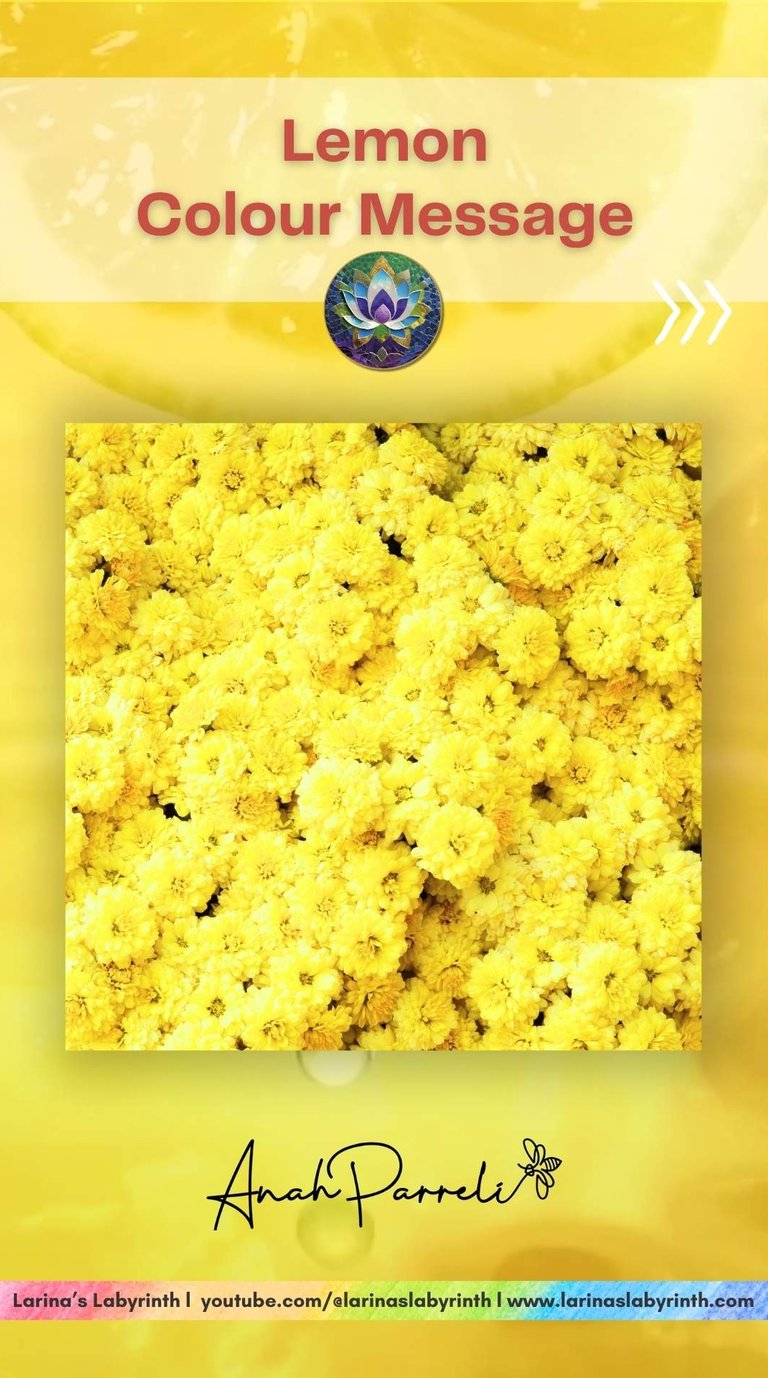
The colour Yellow is one of the happiest in the colour spectrum because of its sun-like aspects. It also offers stability and positivity, and balance – neither too ‘off with the fairies’ nor too stuck and bogged down by the mundane and daily grind. It offers the positive attributes of hope, faith, and trust in life and processes (and the self), and supports creativity and the manifestation process, stimulating visualisation and imagination, and encouraging strength and learning. In some countries, yellow is a sacred colour associated with spirituality, enlightenment, and wisdom, as part of the manifestation process. In contrast, in others (such as some African nations), it is associated with wealth, prosperity, and abundance; in Latin America and the Middle East, it is a colour symbolising mourning. People recovering from bullying or workplace mobbing (or other abuses of their personal power) may be repelled by the colour yellow.
In contrast, others who are attracted to yellow and overuse it may be oppressors and egotists with an inflated sense of self. A healthy approach to using Yellow can indicate that a person is loyal and trustworthy. People who have experienced betrayal in the form of mobbing and bullying (or are the family black sheep experiencing childhood rejection and abandonment) may be repelled by the colour yellow. Sometimes it can reflect intergenerational trauma and repeating cycles and patterns of behaviour, leaving a person feeling victimised and oppressed. The paler shades of yellow tend to convey hopefulness, while the darker, more vibrant shades convey power and strength.
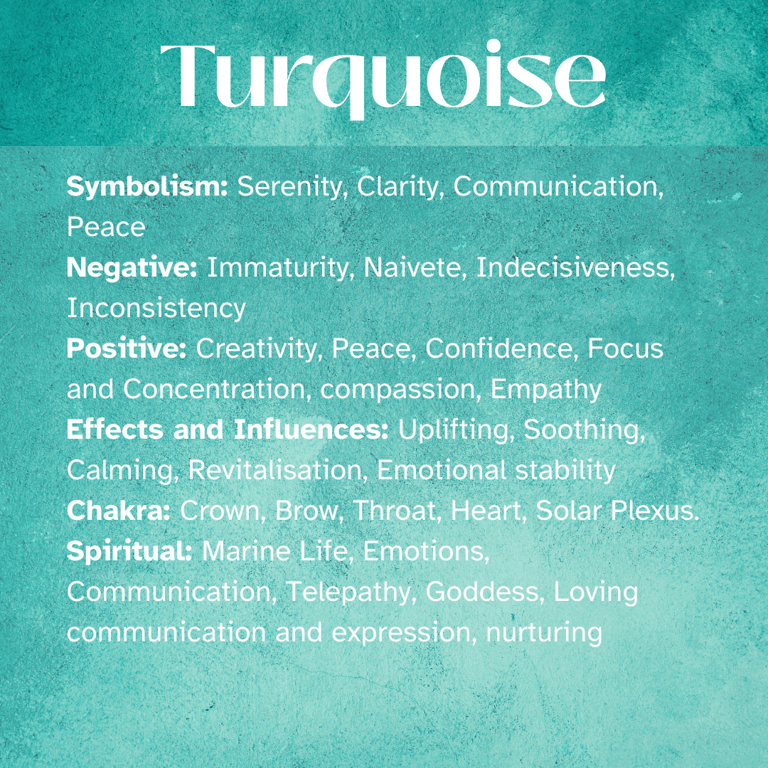
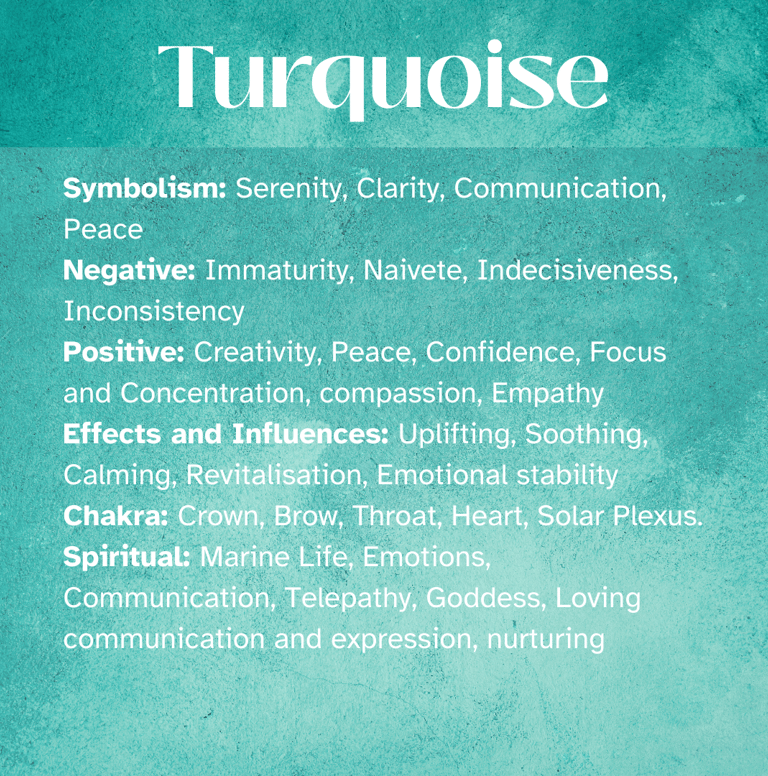
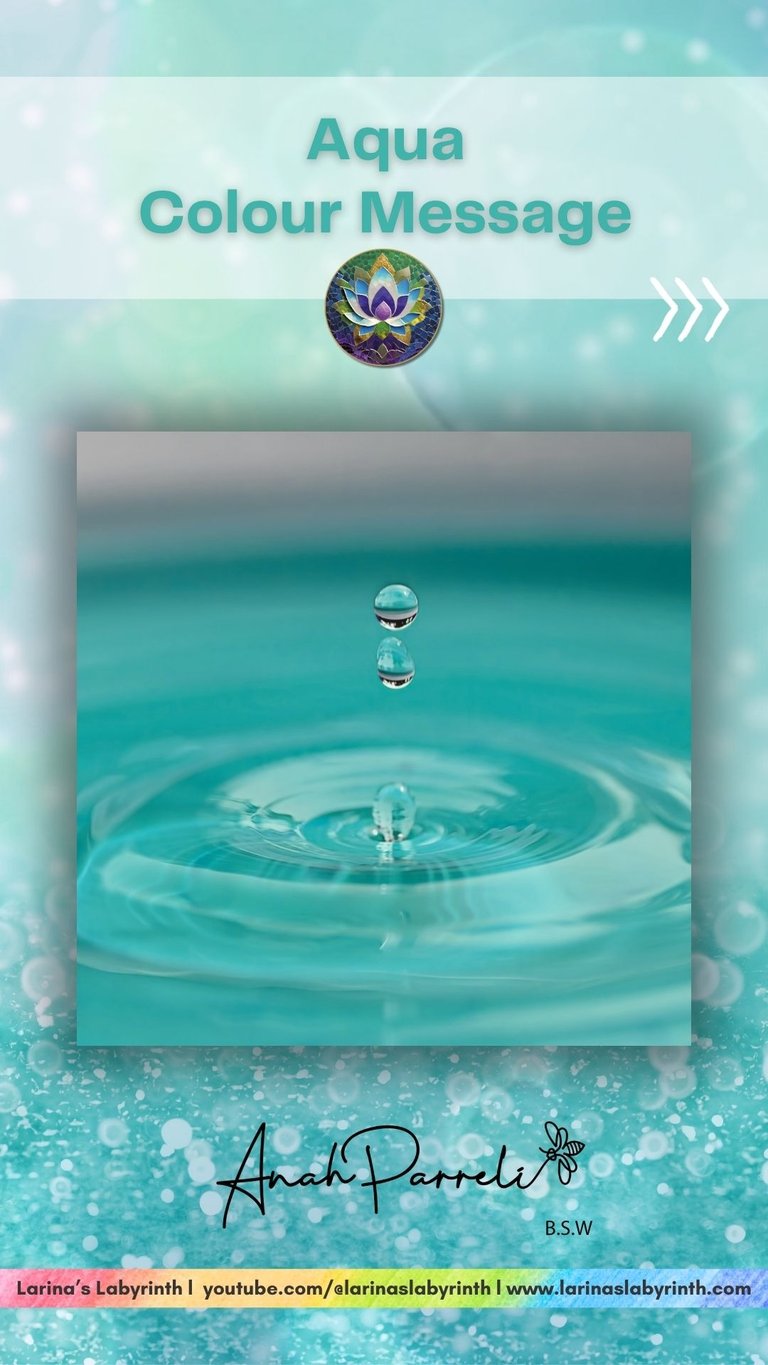
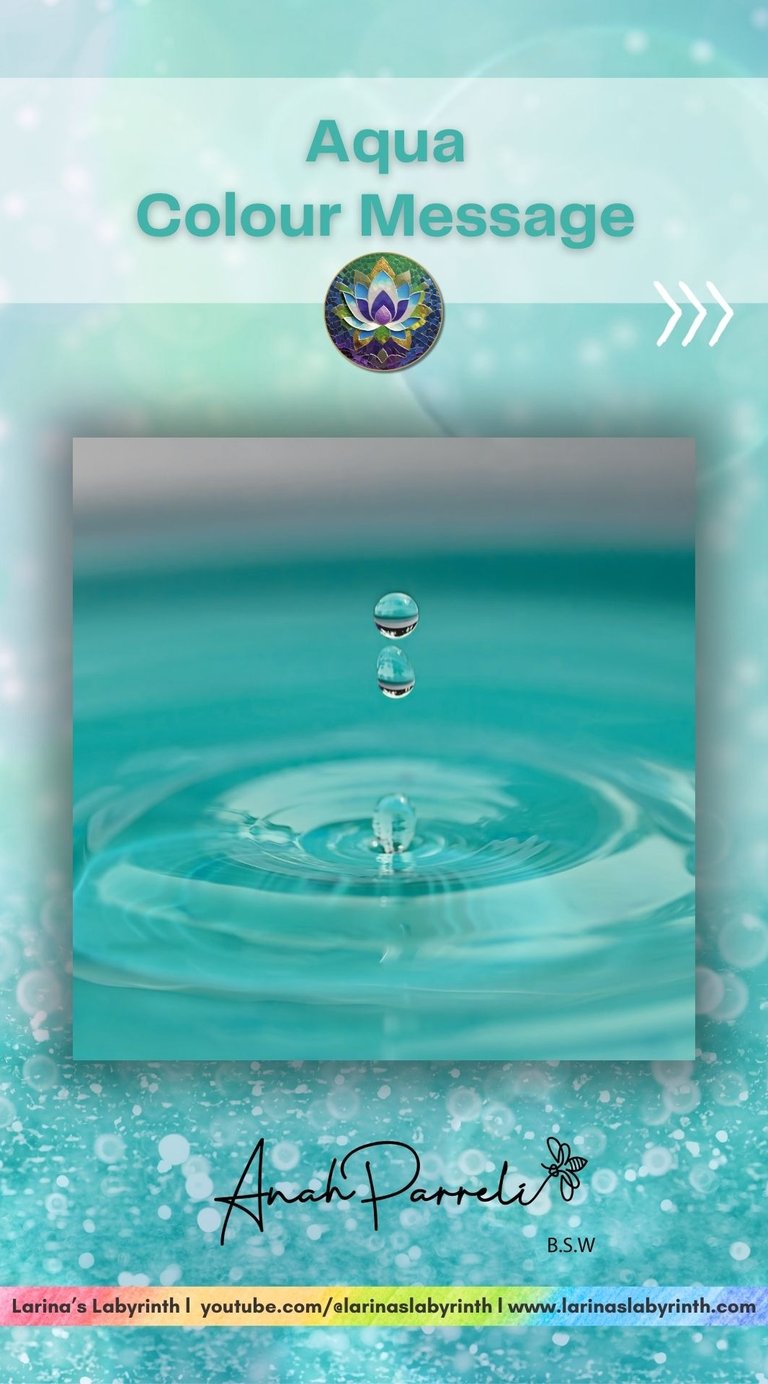
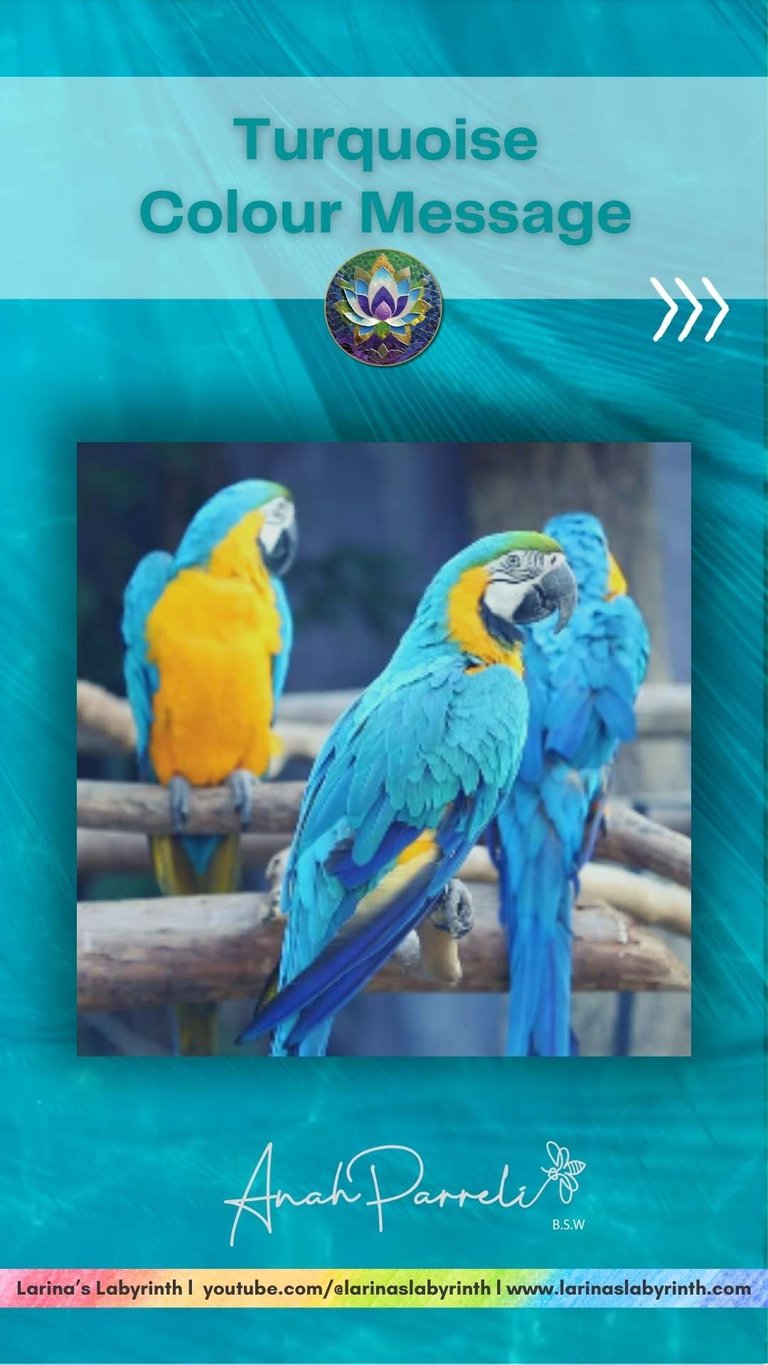
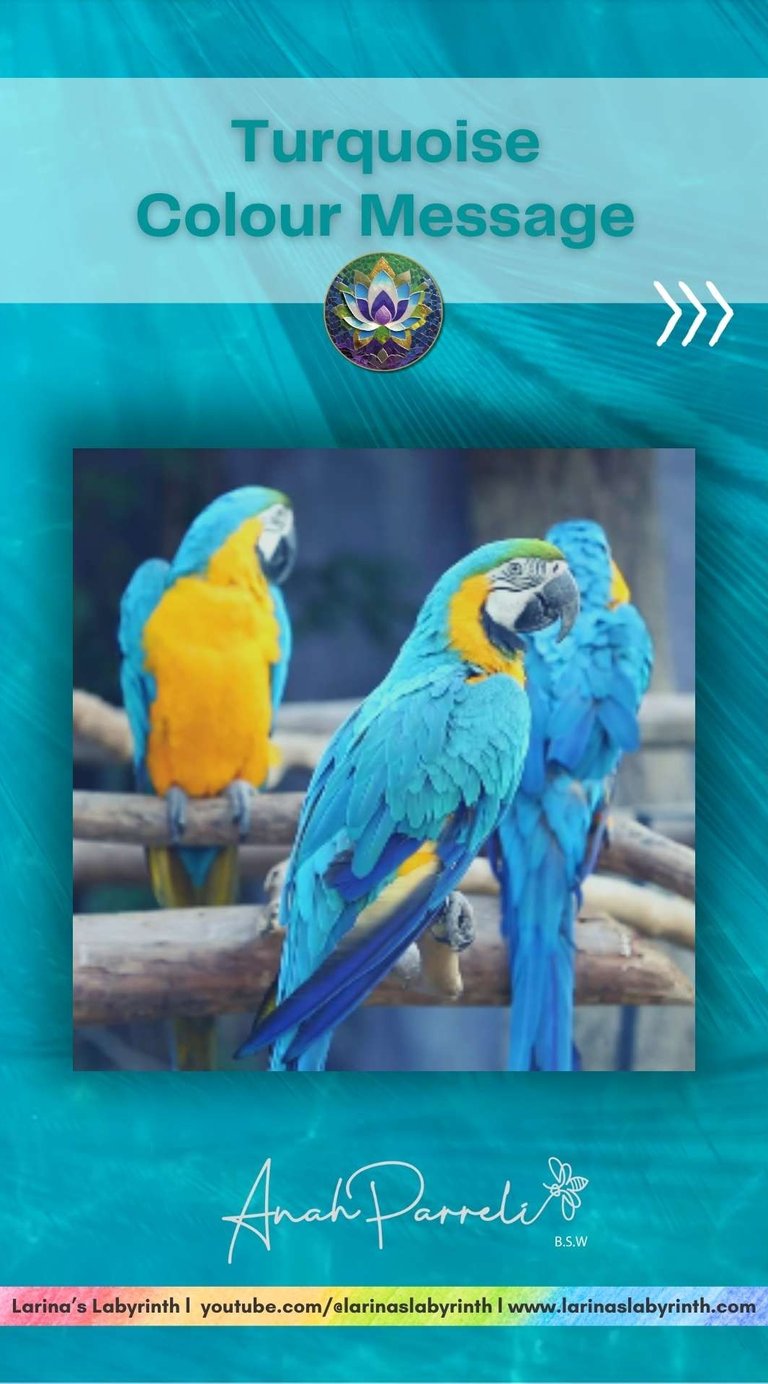
As with the Teal, Turquoise is a mixture of the primary colours blue, yellow and white; however, it does not contain any black and is brighter than the teal. It will usually have more yellow and white and less blue, regardless of whether it is green or blue Turquoise. Consequently, Turquoise is a calming, soothing colour that encourages peacefulness and the ability to unpack problems in rational, logical ways. People drawn to the colour turquoise may be experiencing turbulent emotions and verbal ‘eruptions’ because they feel that their boundaries are being crossed or disregarded, and struggling to put them in place effectively. There is recognition and self-awareness that, when they are emotionally reacting, they are not acting in their ‘best light’ or in line with the vision they hold of who and what they would like to be and how they would like to act (and how they would appreciate being treated by others). They may be suffering from mood fluctuations and disorders, and seeking to have a balanced expression. Mood disorders will be more apparent when the person is working with the blue turquoise hues and shades of orange. In contrast, unresolved trauma and anxiety conditions may be reflected in the use of blue Turquoise with shades of orange and lime green – especially in art projects, house furnishings, and clothing. Ultimately, Turquoise is an idealistic colour.
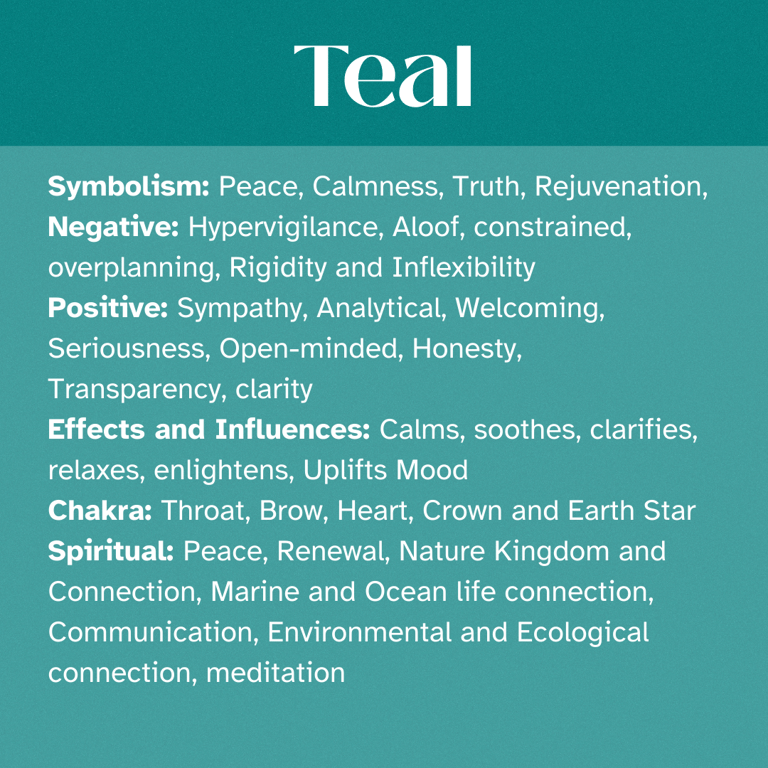
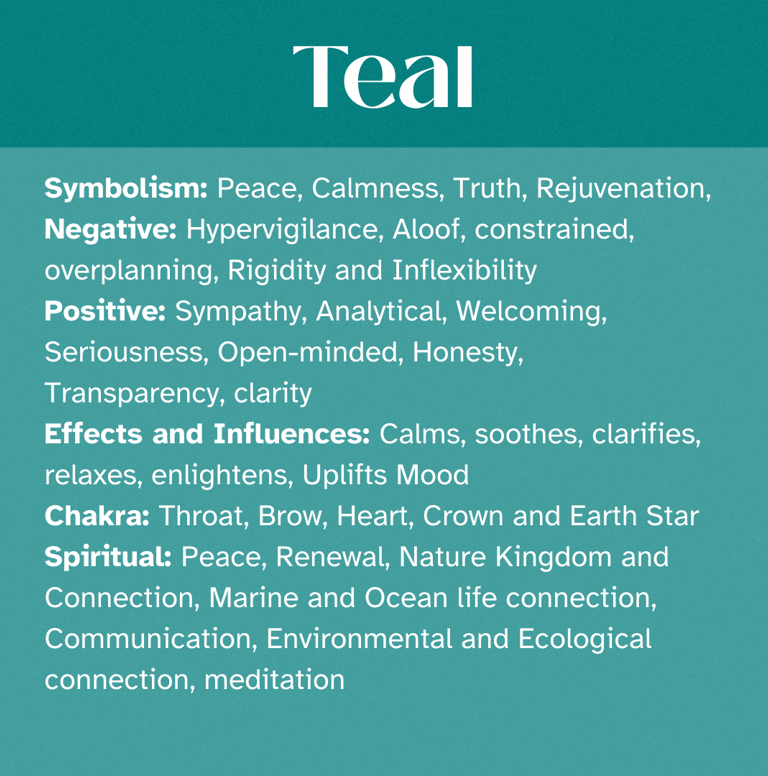
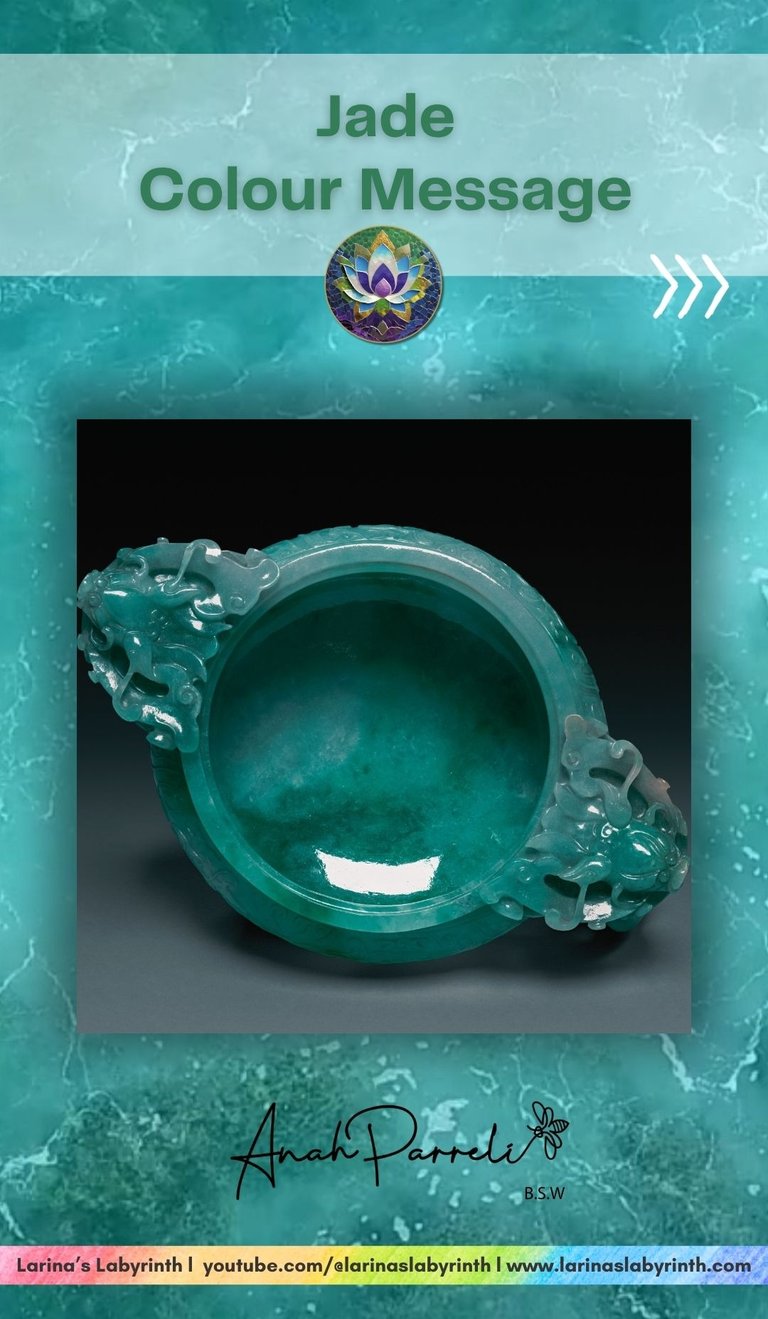
Teal is a bluish-green colour that combines the primary colours of blue with a touch of yellow and white (depending on the hue). The darker the shade of Teal, the more black it usually has and the less white. Darker shades will offer greater grounding, with influences such as practicality and logic, as well as a connection to the earth and nature. In contrast, the lighter colours may need balancing with an earthy colour. The lighter shades are believed to be especially calming and to evoke feelings of tranquillity, serenity, and harmony, as well as anti-anxiety and antistress effects. Wearers are often perceived as dependable and trustworthy. Suitable for solution finding as it helps a person to ‘think outside the box’ and be innovative. Often perceived as elegant and sophisticated when used as furnishings within an environment. A communication enhancer, especially for self-expression, offers clarity of thought. Those people who are drawn to or use Teal potentially have an ‘unspoken bond’ with animals, but may struggle to communicate effectively with the people around them, and desire to improve their spoken and written word.
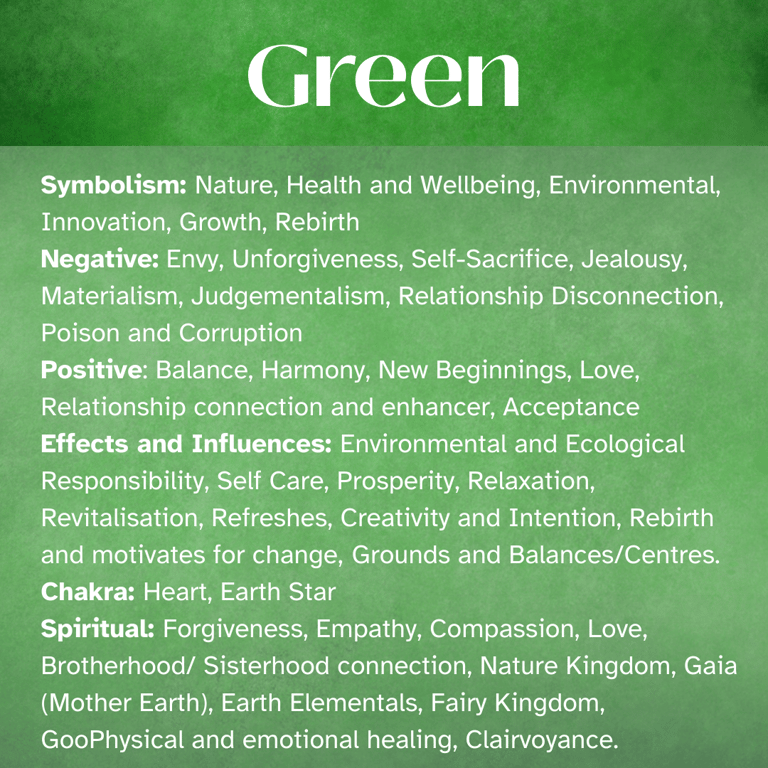
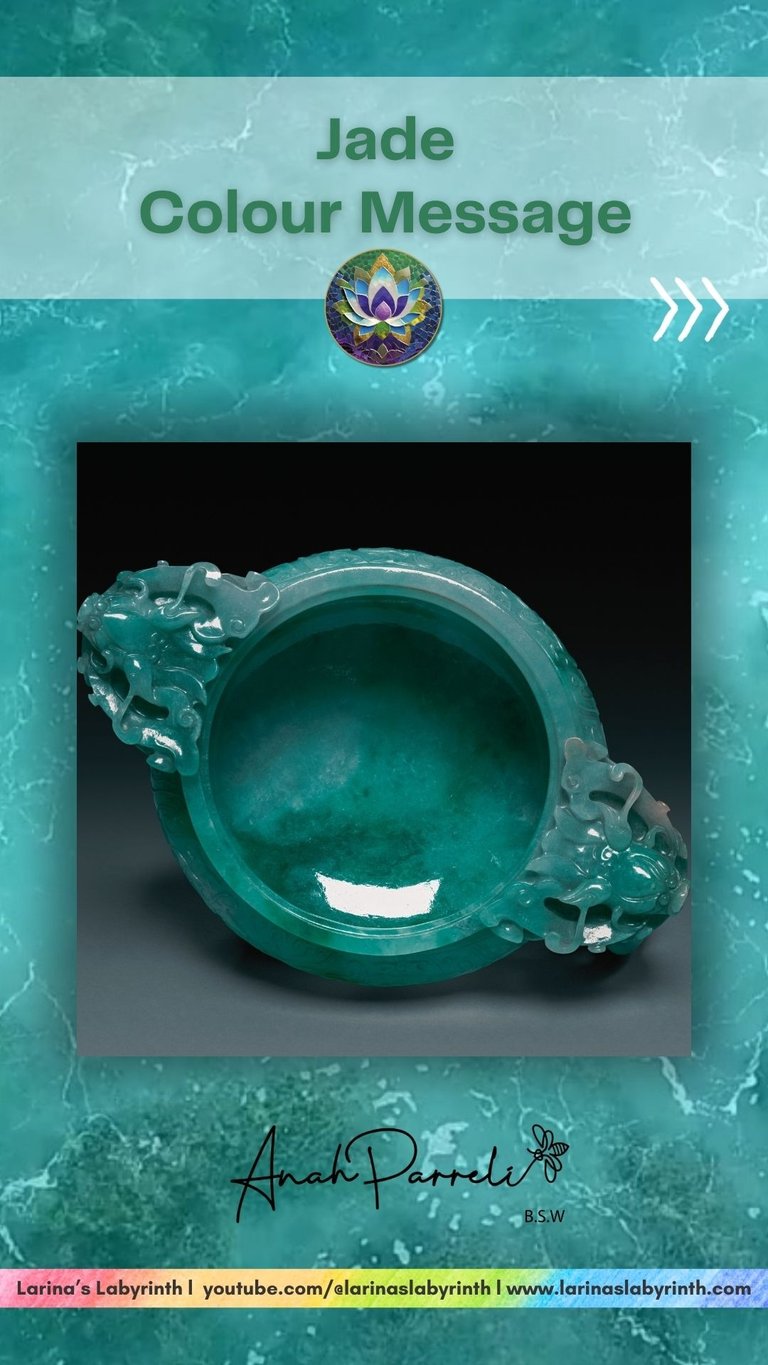
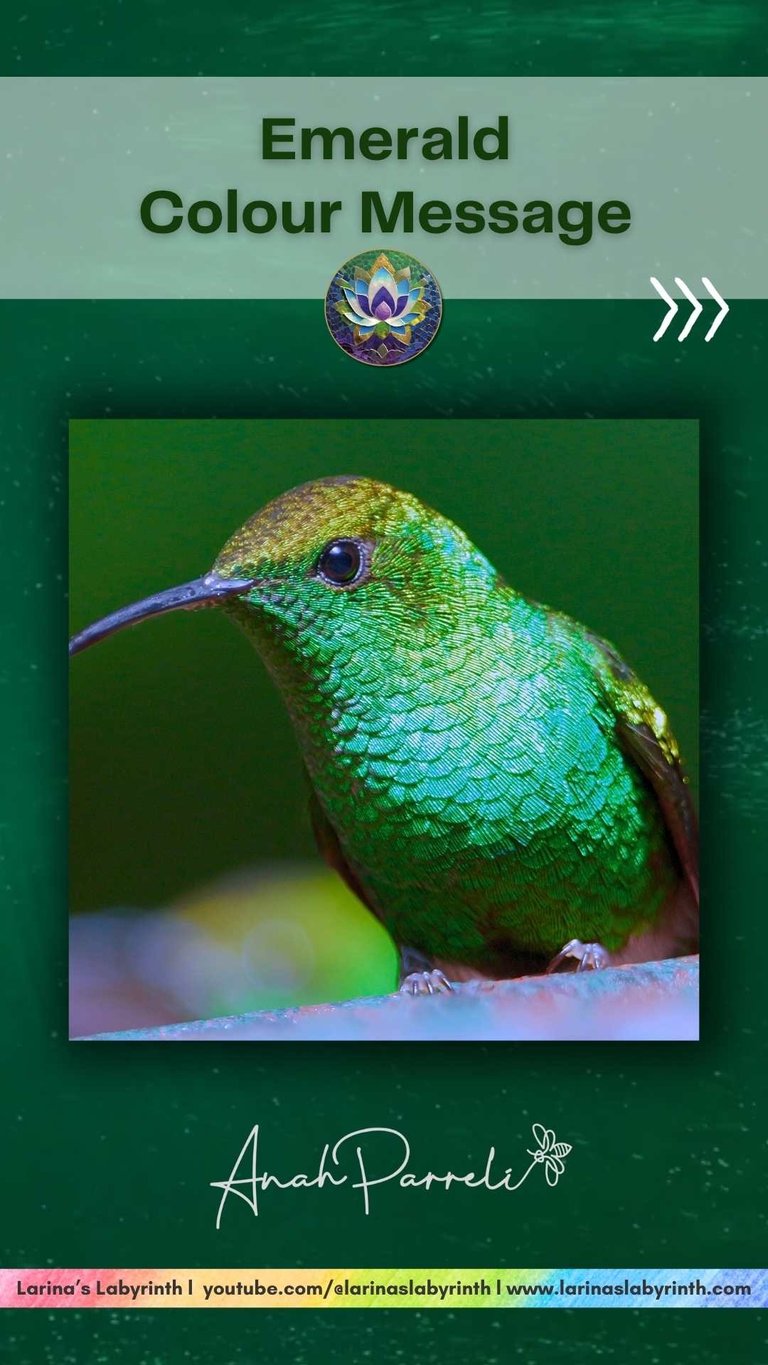
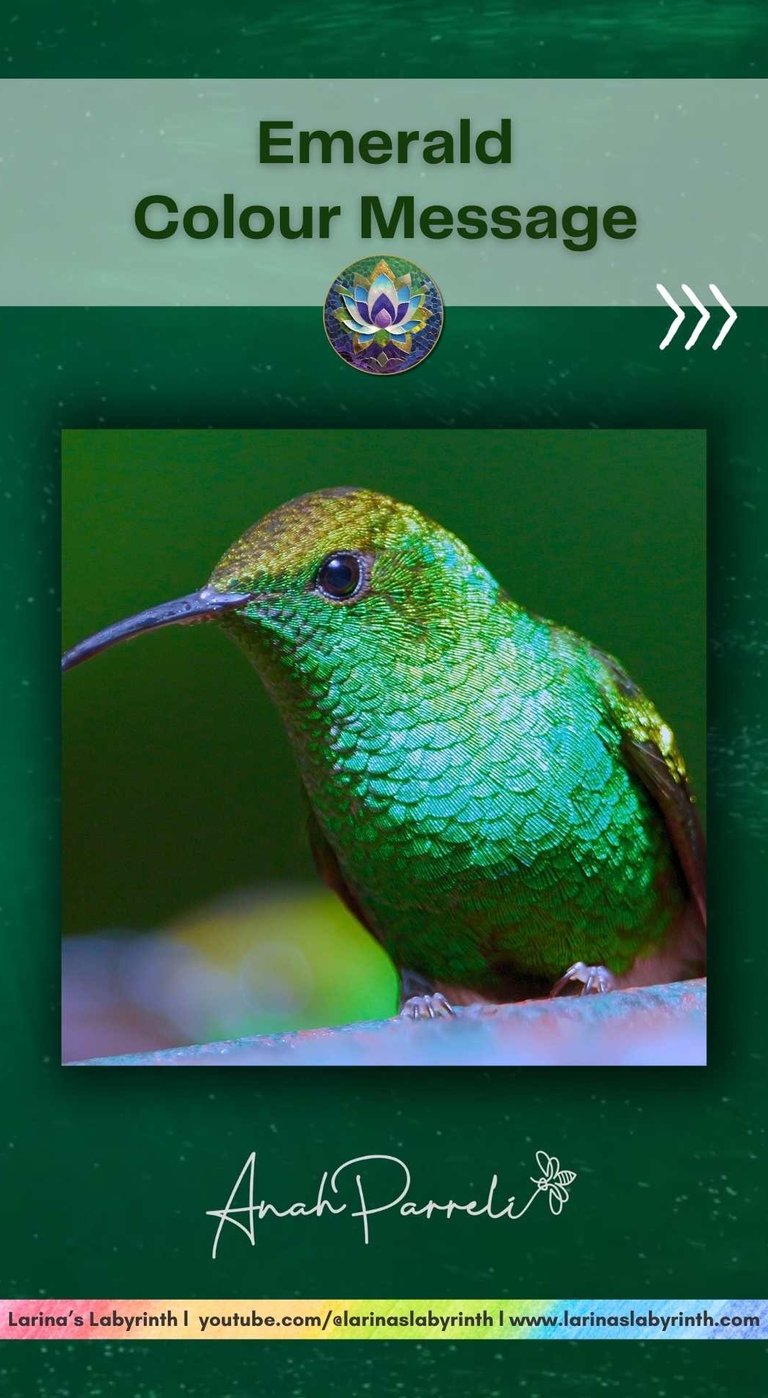
The colour green incorporates the energy of the blues and yellows, promoting confidence, heightened awareness and perception. It lends itself to understanding and acceptance of what is not known. Consequently, it promotes calmness and harmony, and encourages an appreciation of nature and the environment, and a revitalising of the mind and body, particularly regarding physical care and health and recognition of emotional and relationship boundaries (knowing when to hold on and when to let go), and self-awareness based on emotional state (naming and taming feelings). Associations with prosperity and wealth might be derived from links to Irish culture and from leprechauns and the pot of gold at the end of the rainbow, which the colour green is said to attract. In other cultures (such as France), green is considered unlucky. Generally speaking, people drawn to the colour emerald green tend to either put others' interests before their own or work to forgive others for being emotionally unsupportive. In some instances, it can reflect a hardness of heart toward others, combined with a lack of compassion and tolerance. When the shades of green are brighter and carry a more yellowish shade, the person is likely struggling with anxiety-type disorders, including post-traumatic stress disorders, and overemotional reactivity – easily triggered. These types would be encouraged to balance the green with shades of brown and orange – reflecting nature and living in the present, rather than reliving the past in their minds and focusing on the grief and pain they have previously experienced. Spiritually, to enhance balance, a person would be encouraged to work with the pink and green at the same time, as well as shades of orange if they are struggling with emotional reactivity.
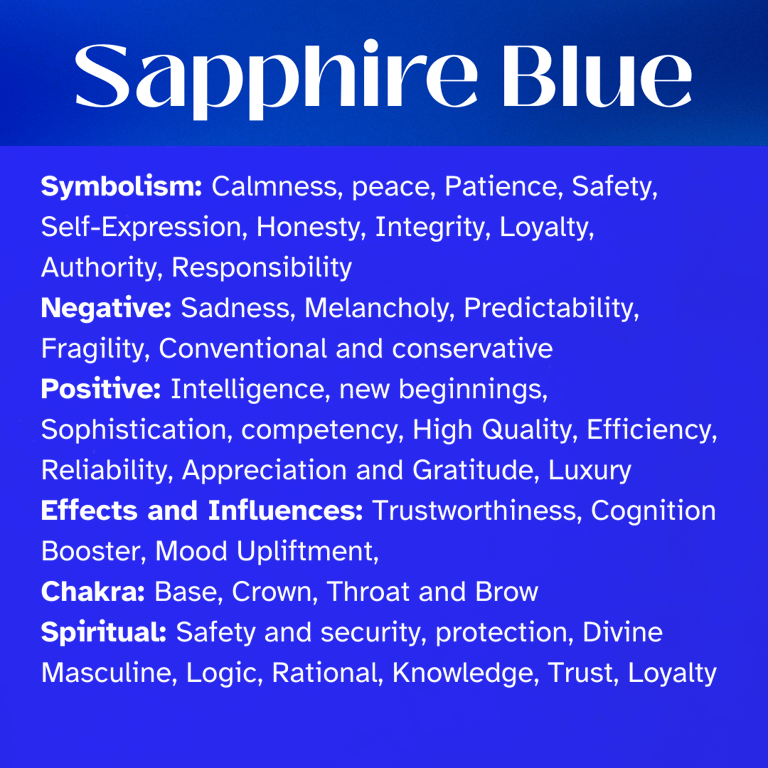
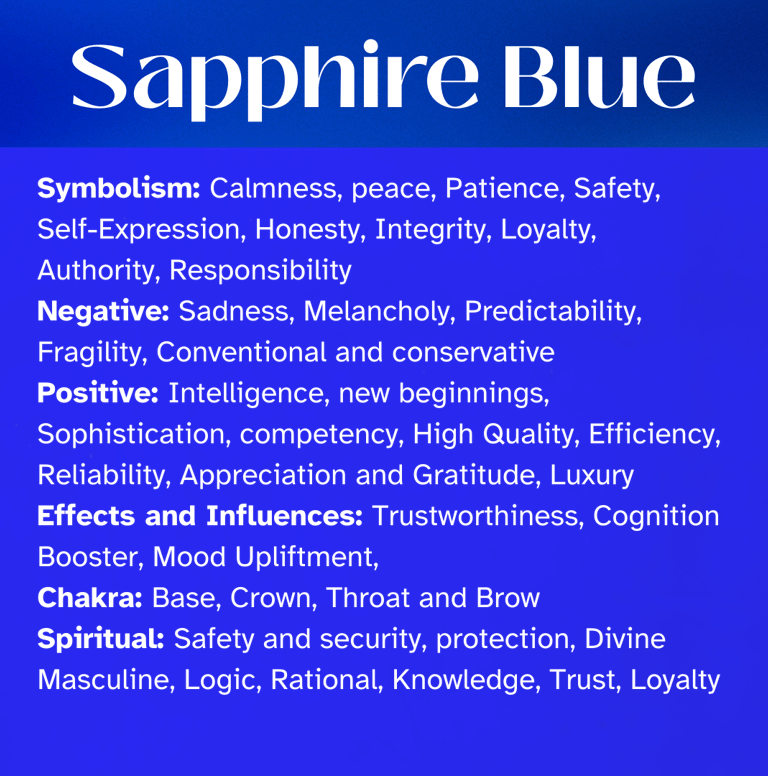
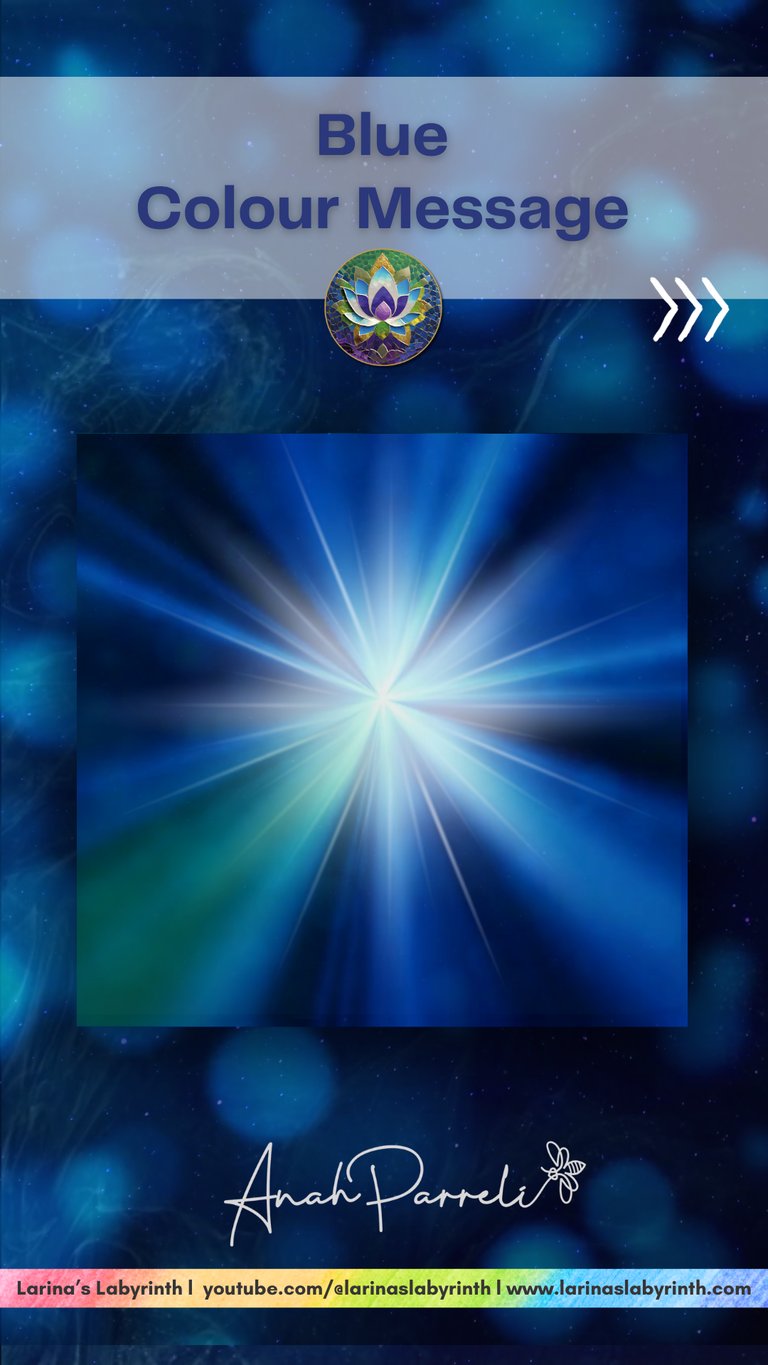
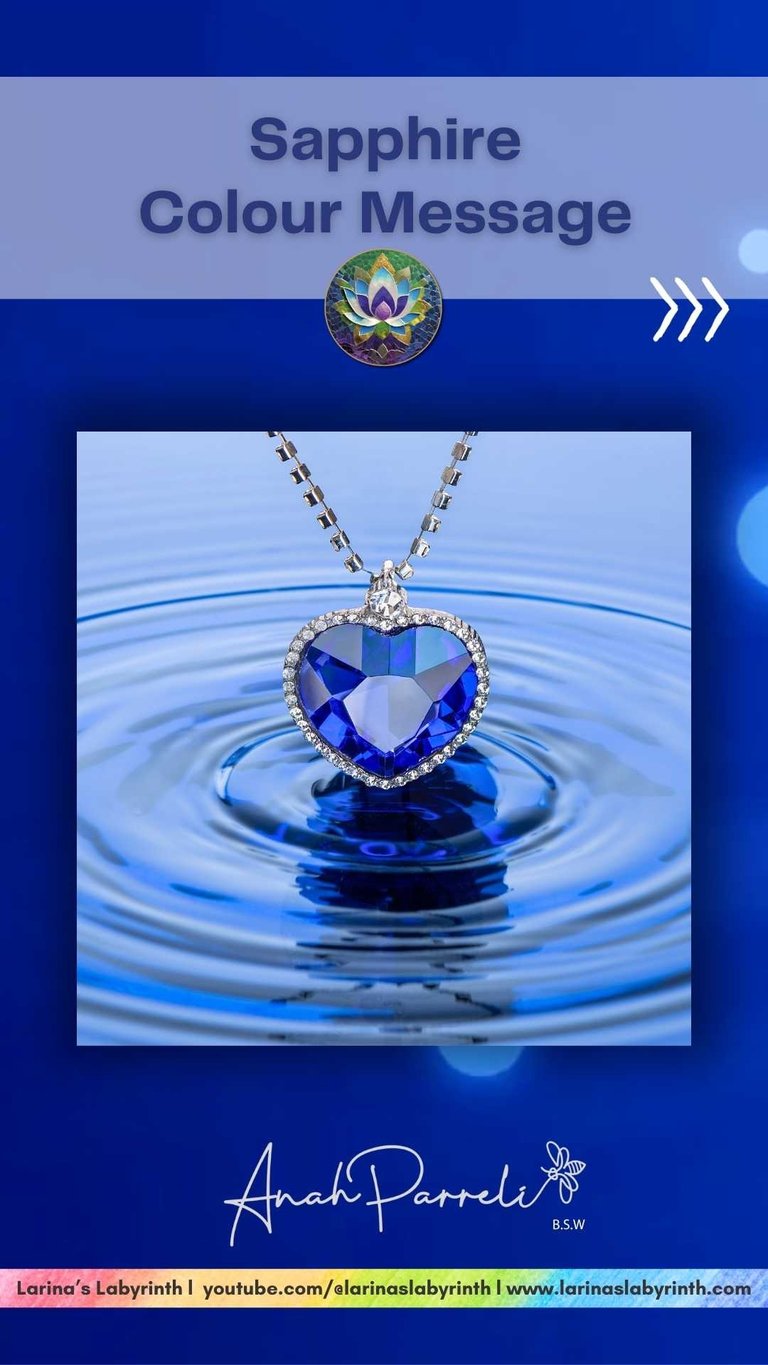
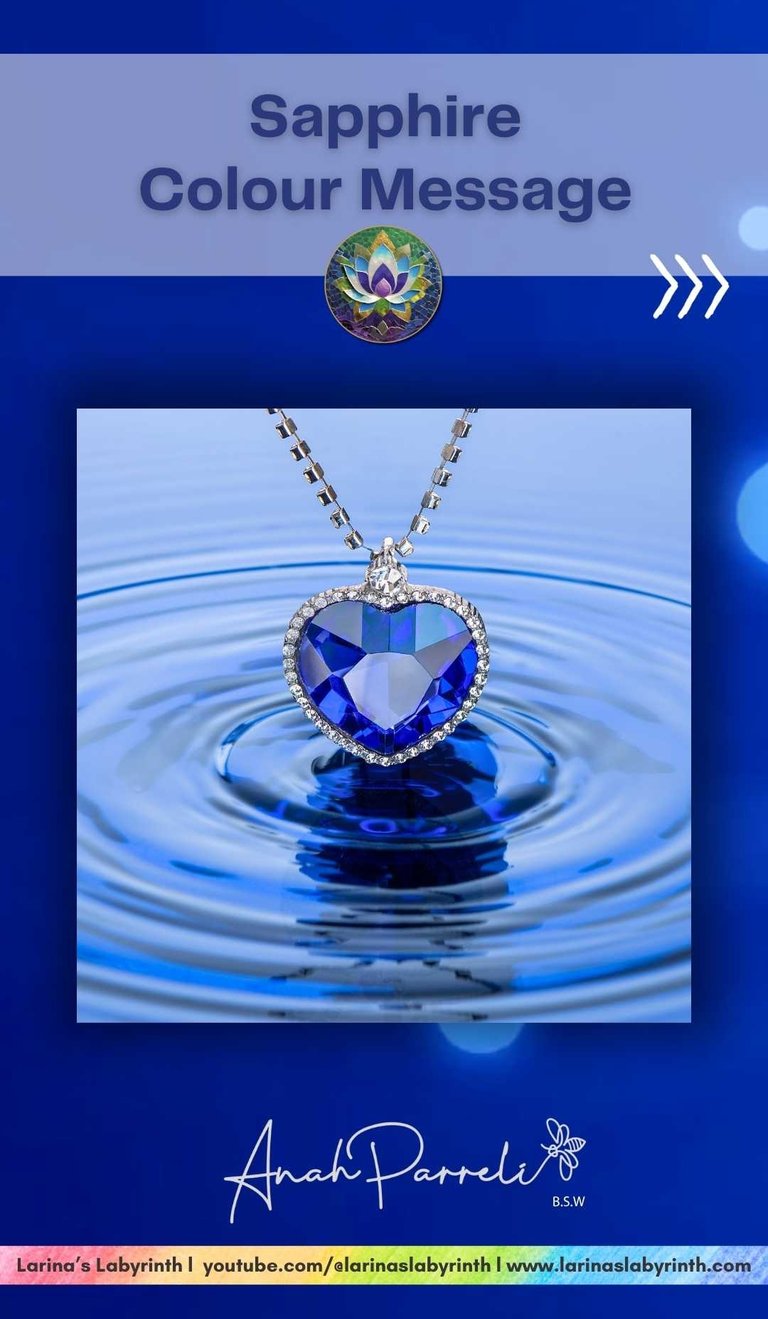
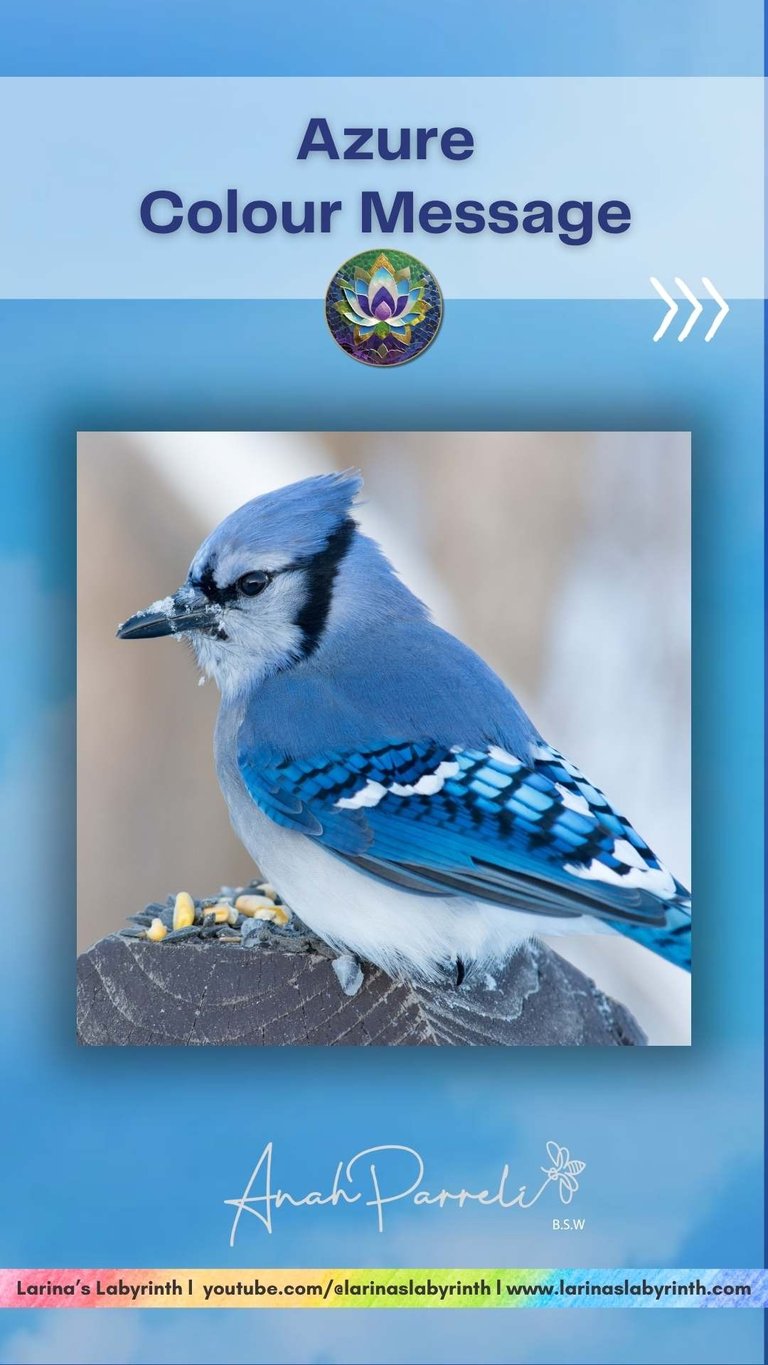
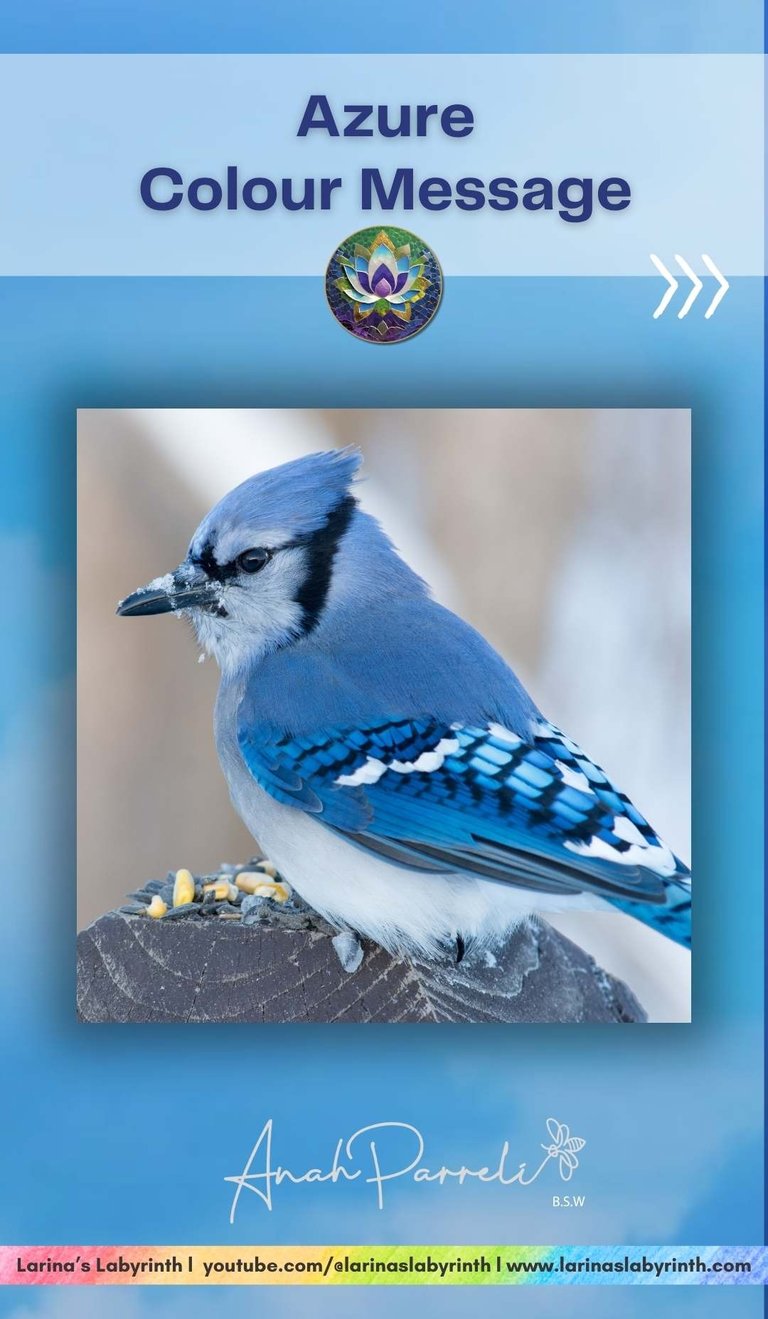
The colour Blue is a primary colour and conveys trustworthiness, feelings of safety and protection, and a sense of security. The lighter shades are more calming and soothing. In comparison, the darker shades reflect the more solid states of trustworthiness, responsibility, and integrity. People who are drawn to blue shades (particularly sapphire or darker blue) tend to be conventional and seek dependability, reliability, and a sense of safety and protection. They may also be working through heightened anger and emotional distress, and find that the blues are calming and soothing for them, helping them to detach and process and rationalise their problems. An overuse of Sapphire blue might reflect a sense of feeling endangered and a lack of safety, and this is an opportunity to explore what is going on within them. From a spiritual perspective, the Sapphire Blue is associated with Archangel Michael, peace, and the highest levels of protection. For those people who overuse the colour sapphire, it may indicate that they struggle with feeling safe and secure, and experience heightened anxiety, particularly in relation to their environment.
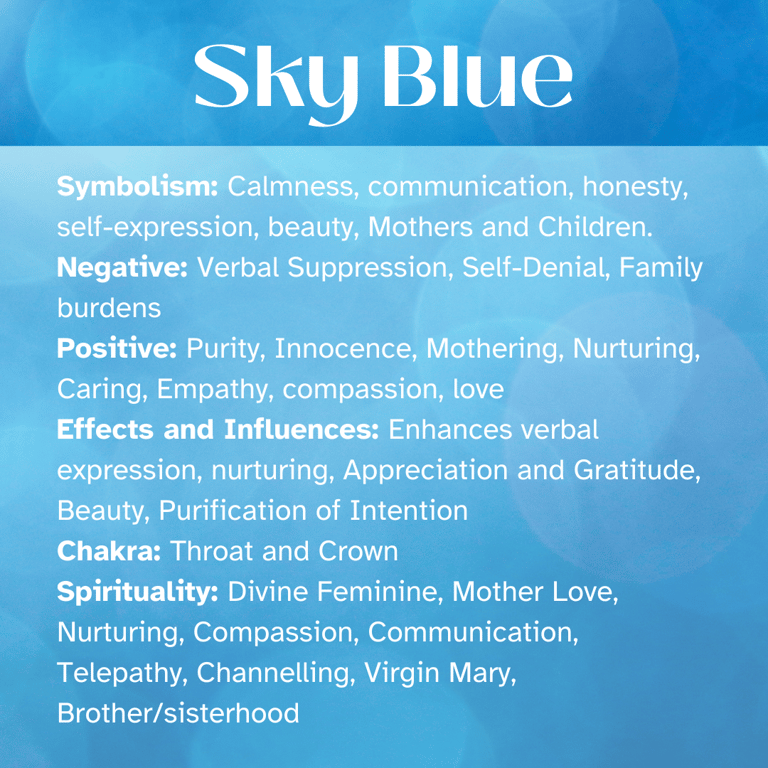
The lighter shades of blue bring in the traits of the darker blue, combined with the properties of white. Where the dark blue is associated with the ‘masculine’ aspects of provision and protection, the lighter shades, especially the sky blue, are related to the Divine Feminine, which is a reference to maternal love and mother protection. It is associated with the attributes of compassion, communication, nurturing, caring and loving. While it offers a calming, soothing feeling that refreshes and invigorates, people drawn to the light blue may be struggling with unresolved mother issues, which can involve their own mother or their relationship with their children. Quite often, they struggle verbally to express themselves, especially regarding their own emotional needs, and may feel unheard or uncared for by those around them. The use of the colour light blue can also at times indicate that a person can ‘snap’ because they struggle with relationship boundaries, and find themselves communicating in ways that are less than loving, and sink into a certain amount of despair because they don’t like themselves when they are acting in ways that they consider non desirable – such as shouting during family conflicts, or potentially name calling.
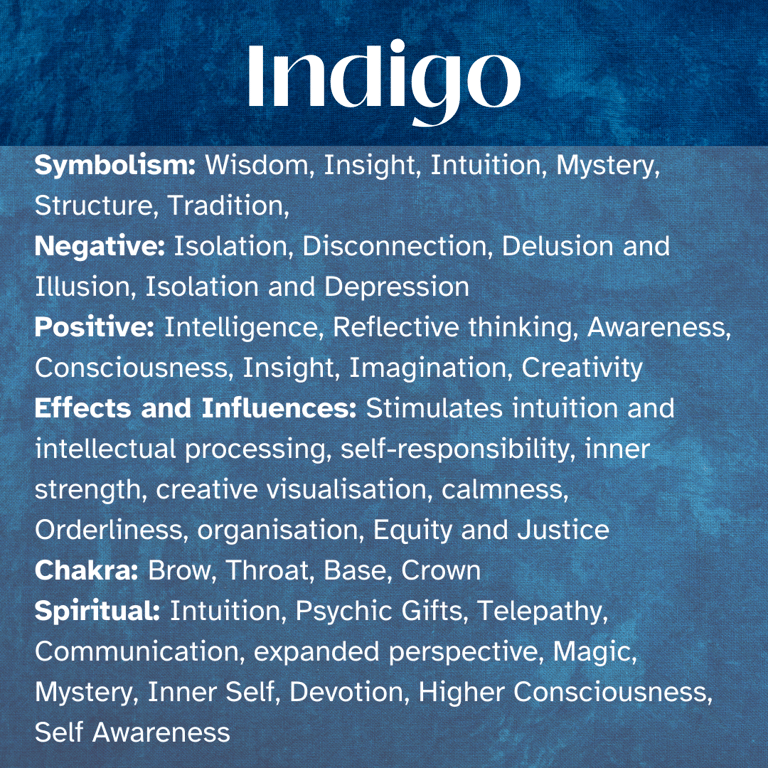
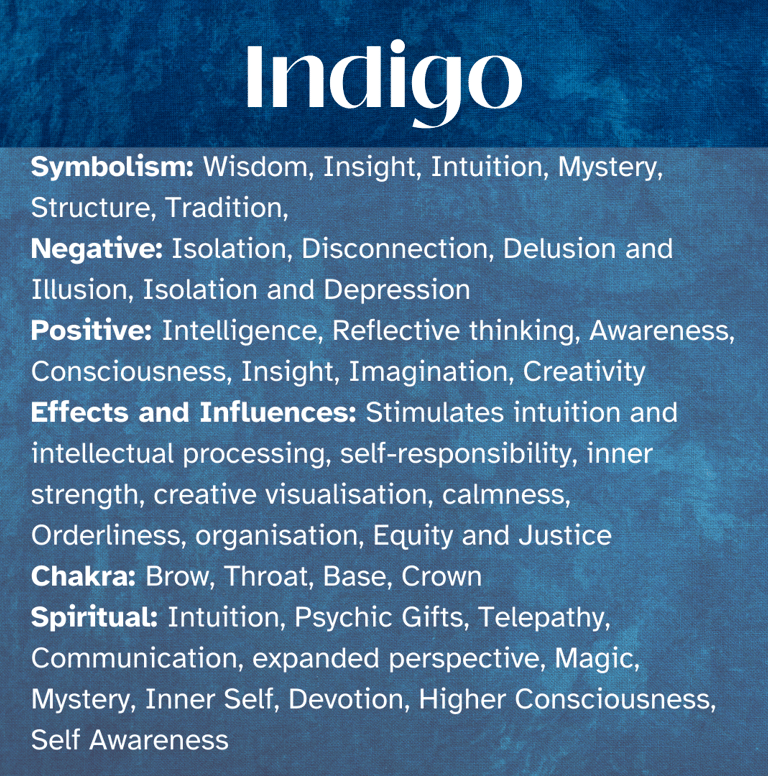
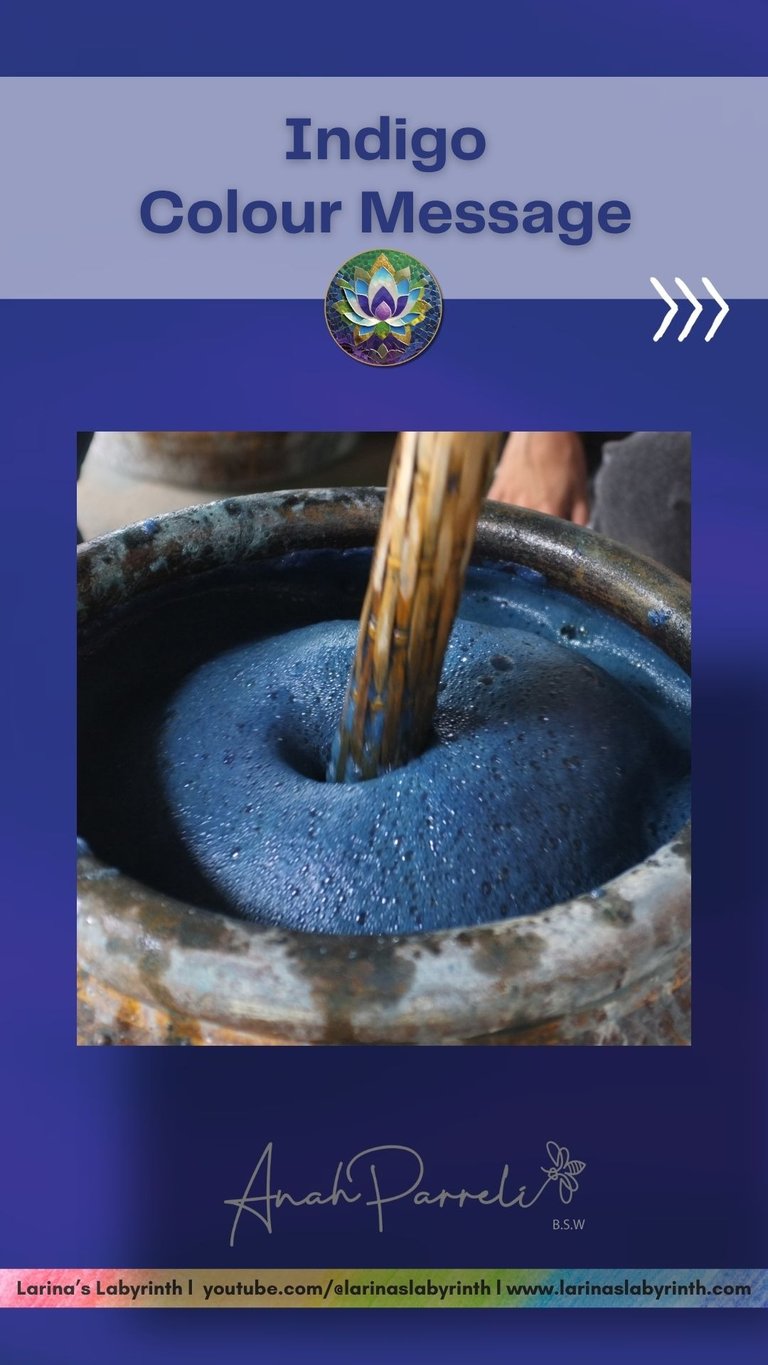
From a psychological perspective, Darker shades of Indigo are a mix of red and blue, with a smidge of black. In contrast, the lighter shades are usually a mix of red and blue with a smidge of yellow. It carries the calming and protective properties of sapphire blue, with the energising vitality of red. People who are drawn to the colour indigo tend to seek to understand, usually about their perception of a situation. Indigo is associated with the Brow chakra, and the ability to see clearly – internally and externally. It is through the addition of the white that we gain understanding of what it is that we are reviewing or reflecting on – the ability to see a situation from all sides and perspectives, so it is associated with fairness, equity, and justice. If a person is drawn to Indigo, it can suggest that they are deeply reflective, learning to see past the initial ‘experience’ they may have had, and seeking to understand and process events, and potentially ‘why me?’ Psychologically, a person drawn to Indigo may personalise and blame themselves for events that are not their fault, taking on too much responsibility, or they may be unable to see their own contributions to their personal disasters and how their choices and communication styles have snowballed into current undesirable circumstances. The use of Indigo shows a readiness to go within and reflect in a balanced way as part of expanding perception (and to see alternative perspectives on problems). The brighter, bluer shades can reflect a willingness to develop understanding and wisdom, as well as to improve oneself.
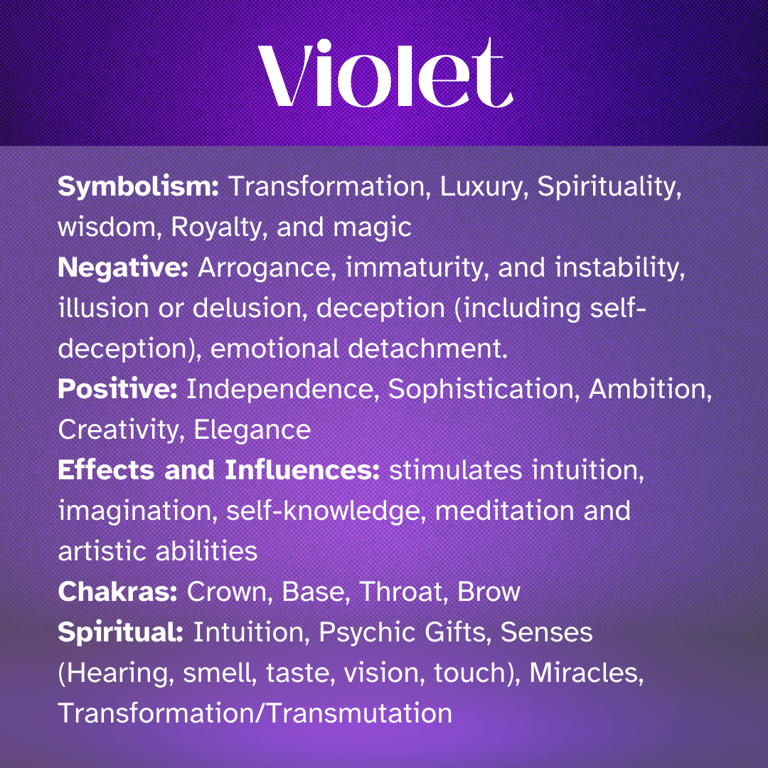
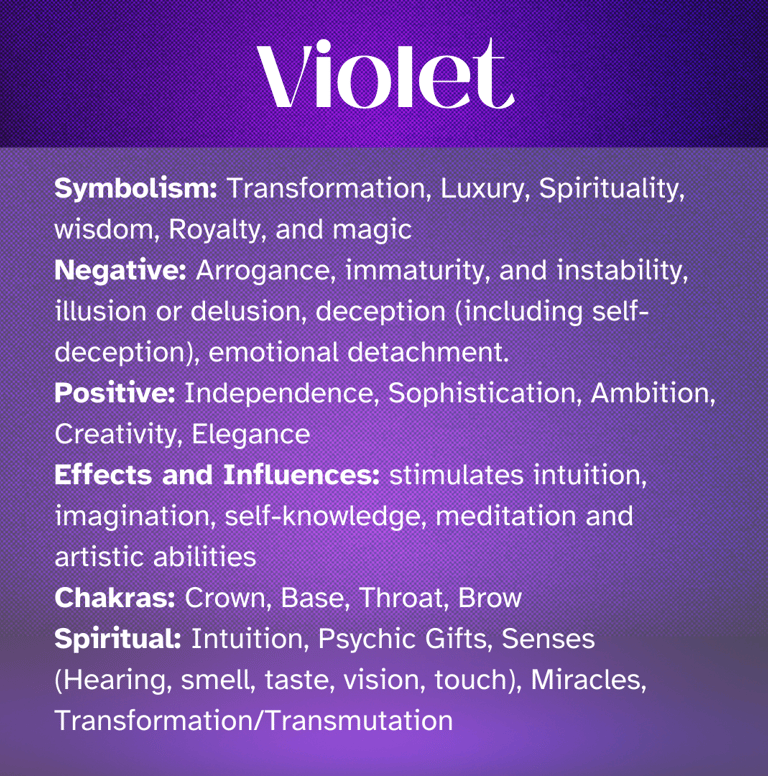
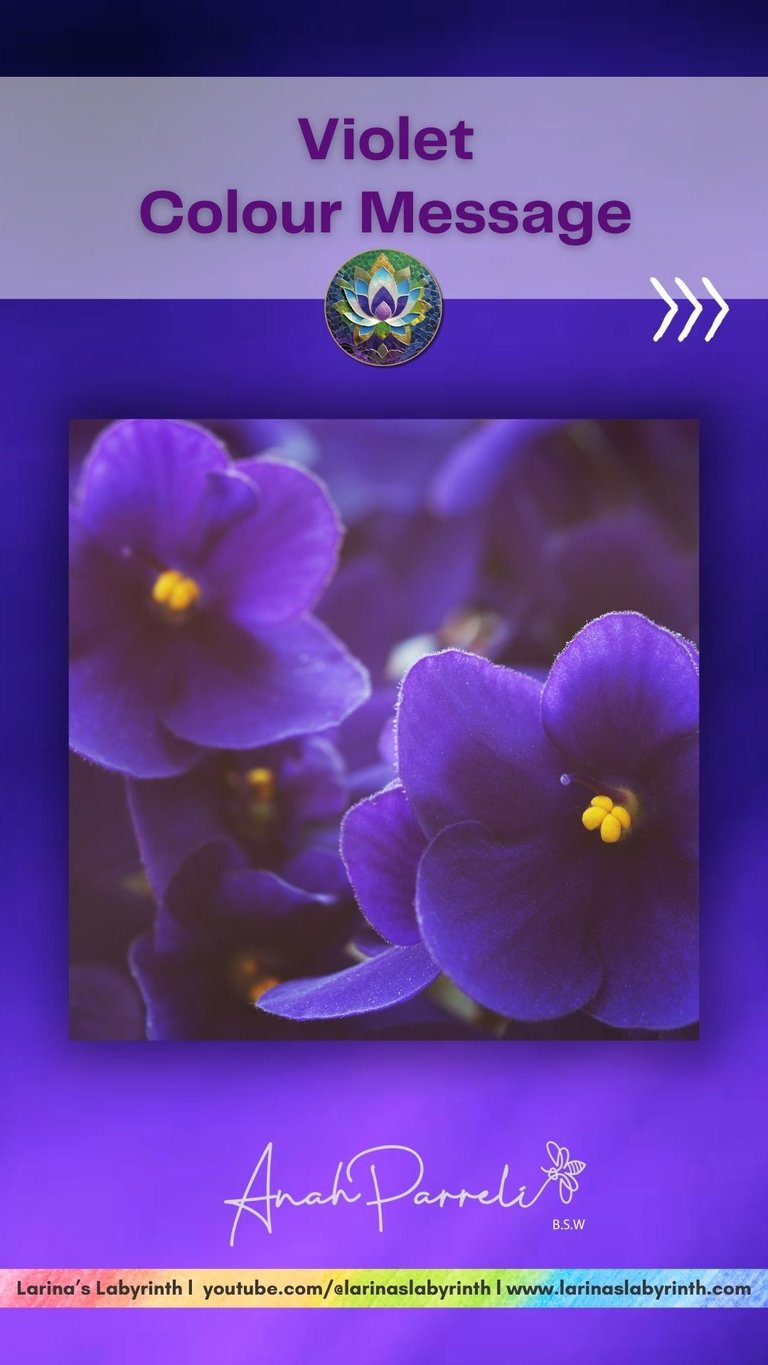
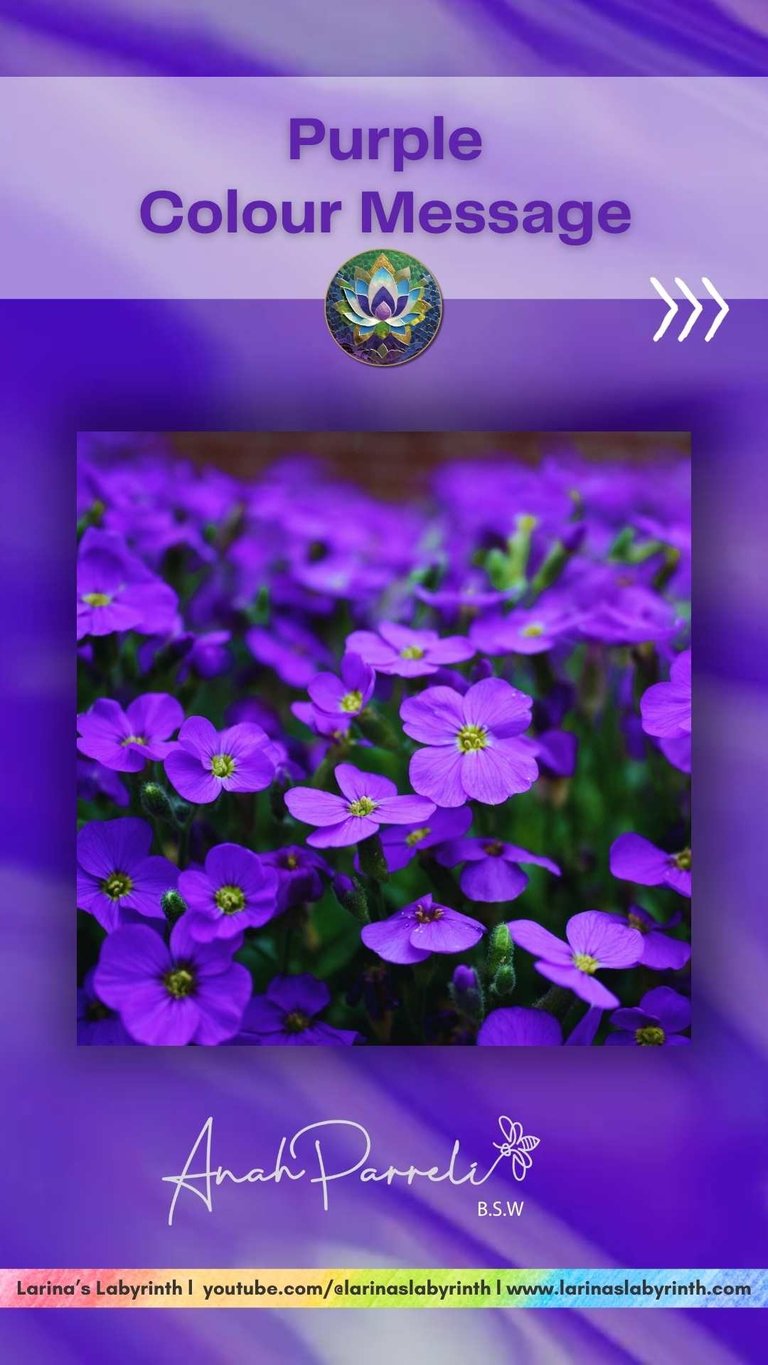
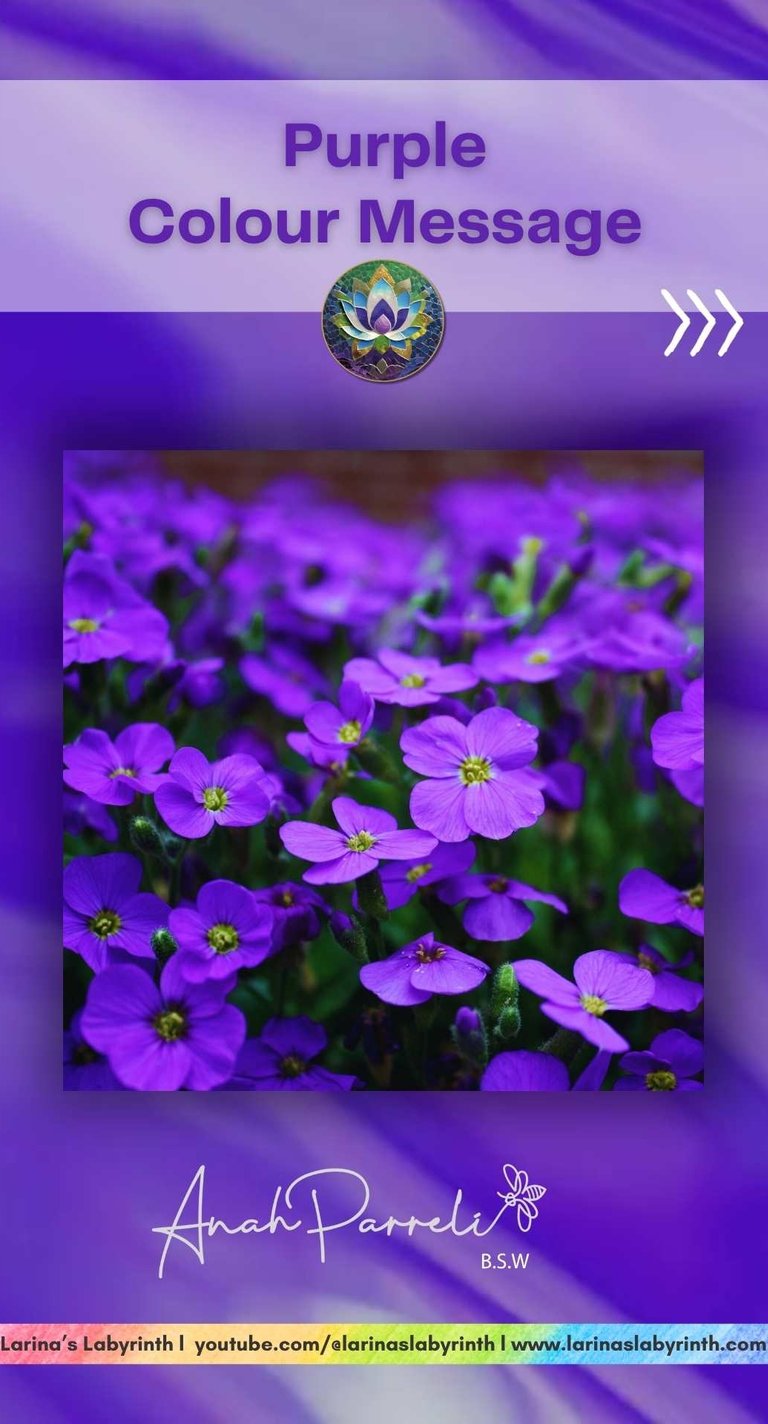
The colour Violet is a mixture of the red and blue primary colours, which is why it is associated with the chakras of the base, throat, and brow. Lighter shades of violet include white and whatever shade is uplifting and inspirational. From a spiritual perspective, it is a colour said to enhance our connection to the divine and our intuitive gifts. The negative aspects of violet tend to occur when a person has not done the groundwork or personal development to discern truth from fiction. People attracted to the colour violet are often focused on developing and achieving their potential and on living financially supported so they can pursue their goals, which can include enlightenment or success in whatever endeavours they pursue. While it is a profoundly spiritual colour that encourages probing beneath the surface and outer appearances, it does not necessarily reflect ‘faith’ or religion. However, it is a popular colour for priests and religious leaders. Other potential areas for exploration include asking questions about the areas of transformation desired by the person and what the end goal looks like, and then helping map out the plan of action to achieve the desired outcome. Bluer shades of violet can reflect that a person wants to see a safer and more secure life (albeit financial and material or emotionally). In contrast, the redder shades of violet can infer that a person is seeking a miracle to stabilise their current environment or incorporate and embed their actions into their practical and physical lifestyles.
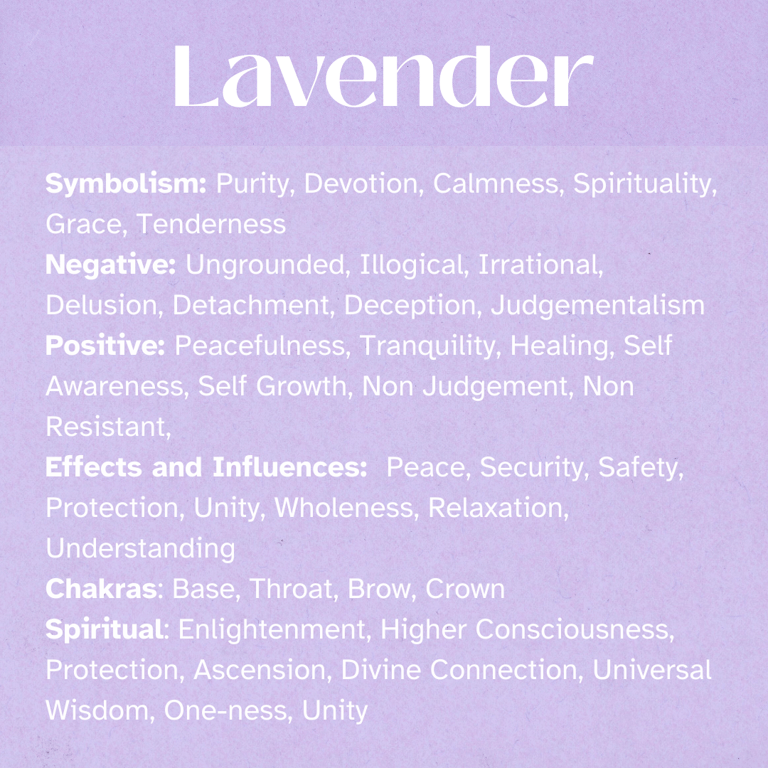
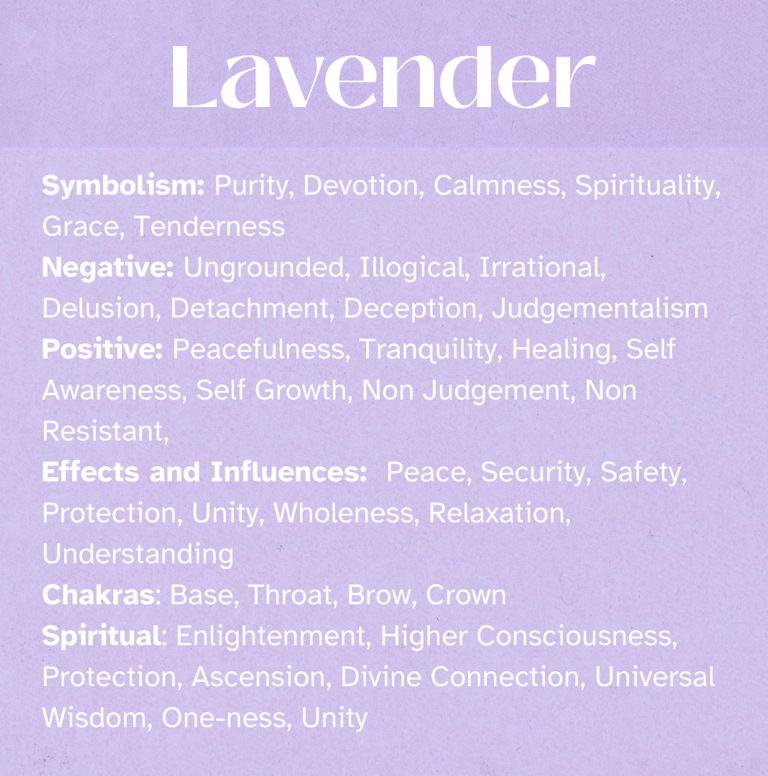
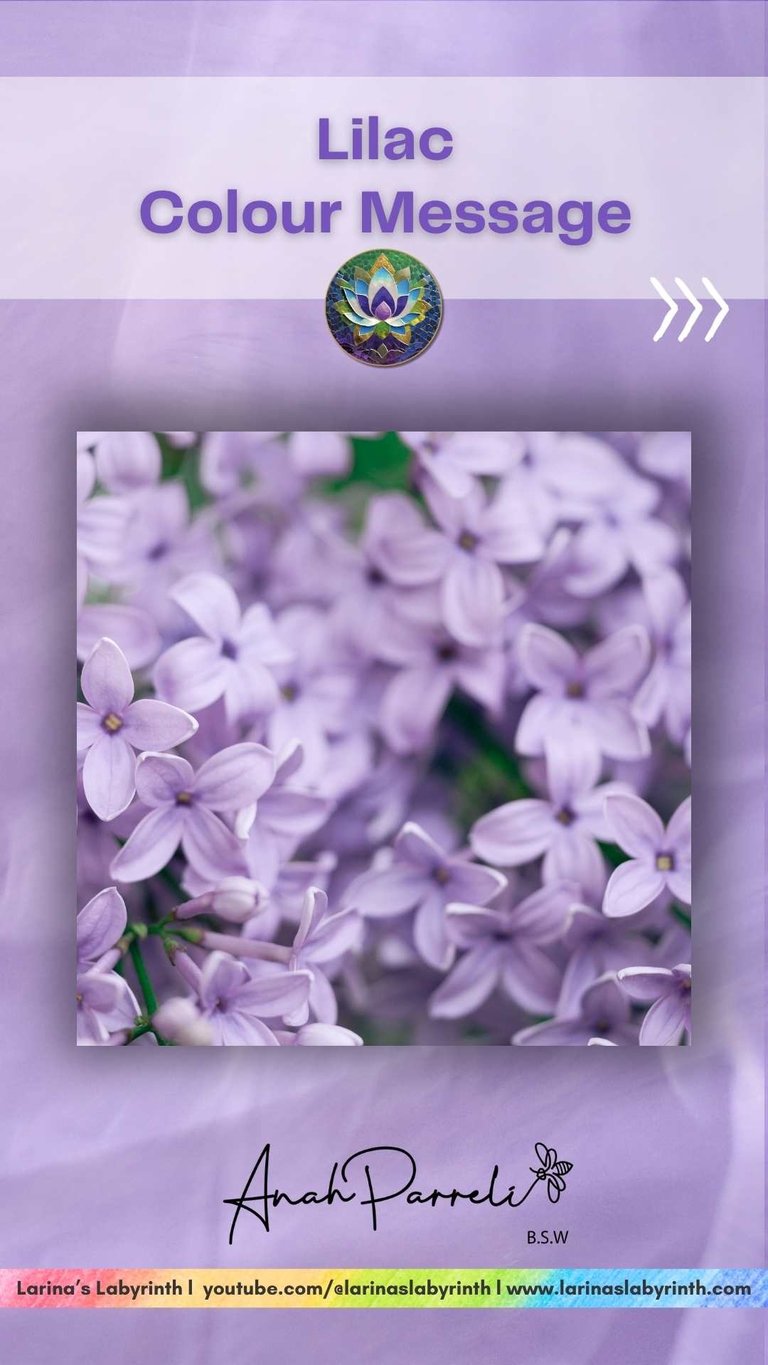
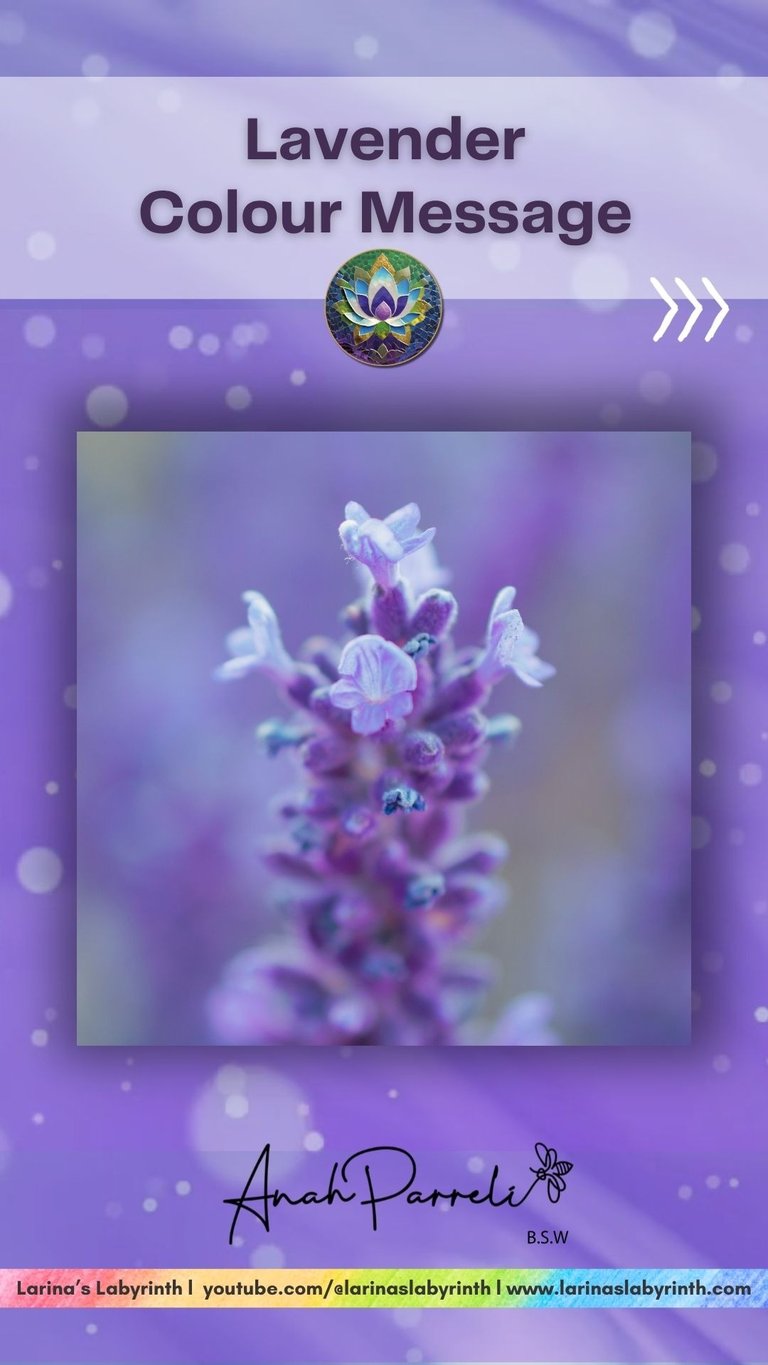
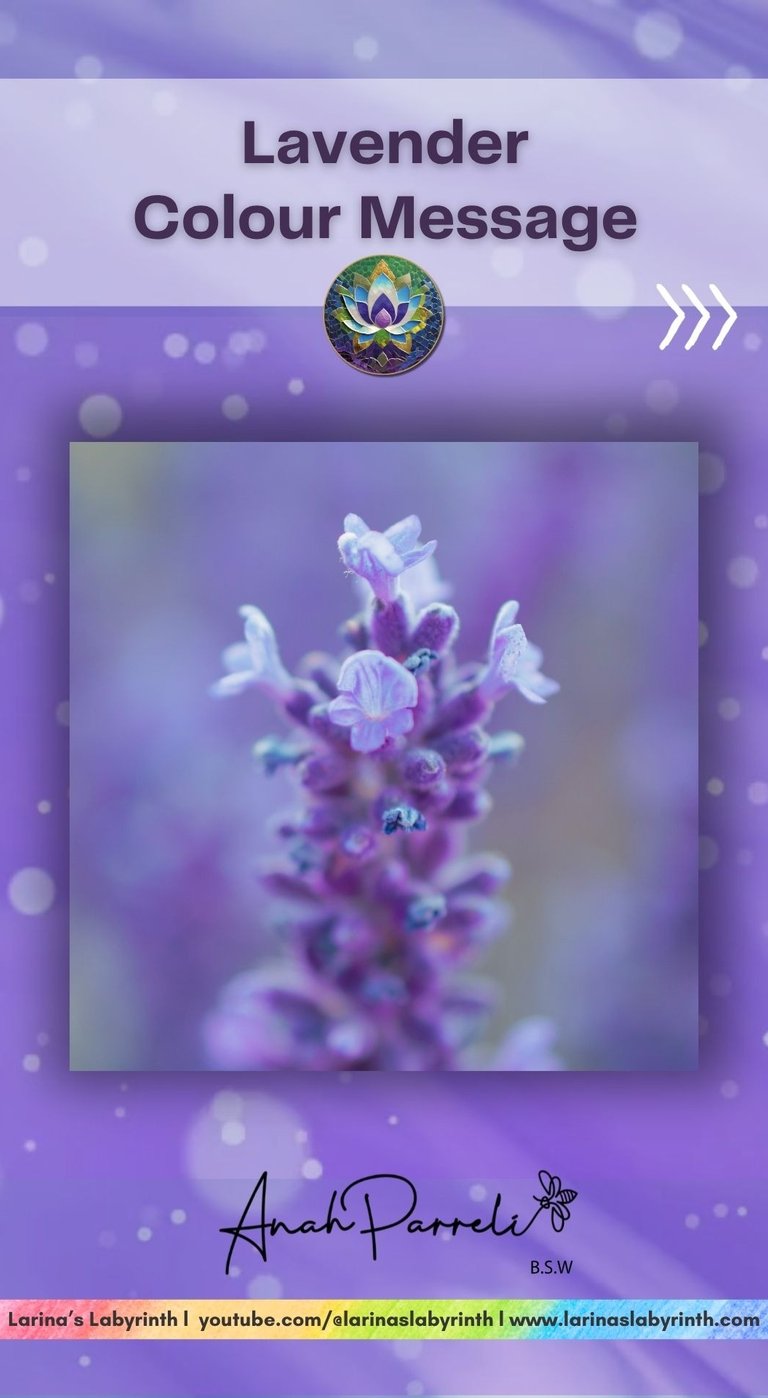
Lavender, like Violet, is a mix of blue and red, but it incorporates a lot of white to give it a paler hue. The cooler shades of Lavender will carry more of the blue, while the warmer shades will carry a touch more red. Primarily, it carries the benefits of the white (expansive thinking, heightened perception, and purity of intent), but tends to symbolise a person who has faith in ‘something bigger than themselves’ and seeks to embed that faith in practical existence. For instance, to foster a brother-sisterhood consciousness and to live with integrity, incorporating their beliefs into their daily behaviour. Attraction to Lavender, can indicate that a person is attempting to go with the flow and release resistance (such as anger and resentment) at unwelcome life changes, or to expand their thinking and perception – seeing situations from all perspectives, or quite simply accepting that there is a gap in their understanding and that the desirable information will reveal itself over a period (divine timing). Lavender is often associated with a desire for peace and overcoming distressing situations, and with a person who has developed (or is developing) a consciousness of the purity of intention and a desire to see the best in all circumstances. It can represent a quiet acceptance and non-resistance to events, a recognition that everything in the physical existence is temporary, and that very little in life is ‘absolute certainty’, as well as adaptability and flexibility, with an ability to cope with changing circumstances.
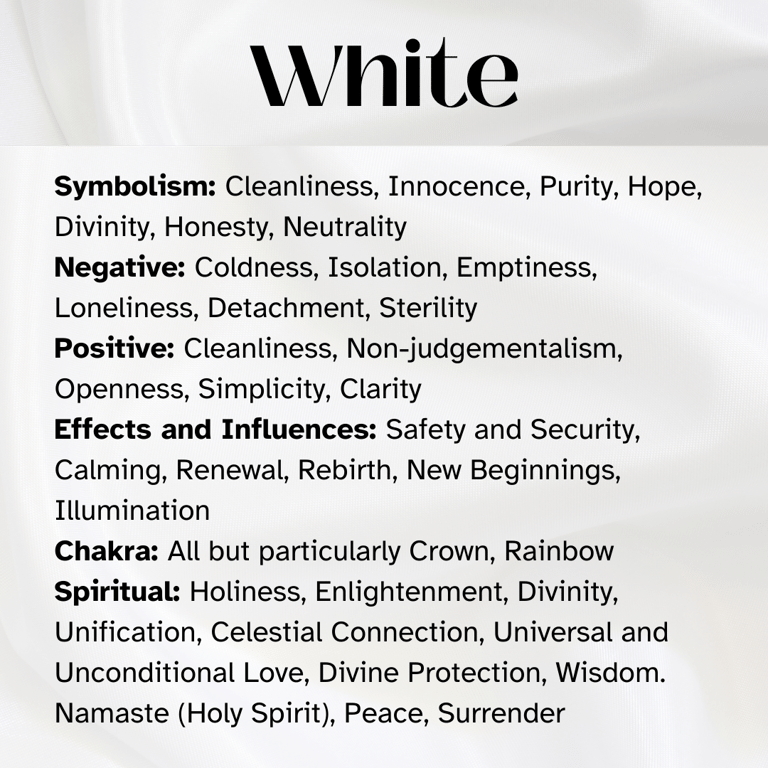
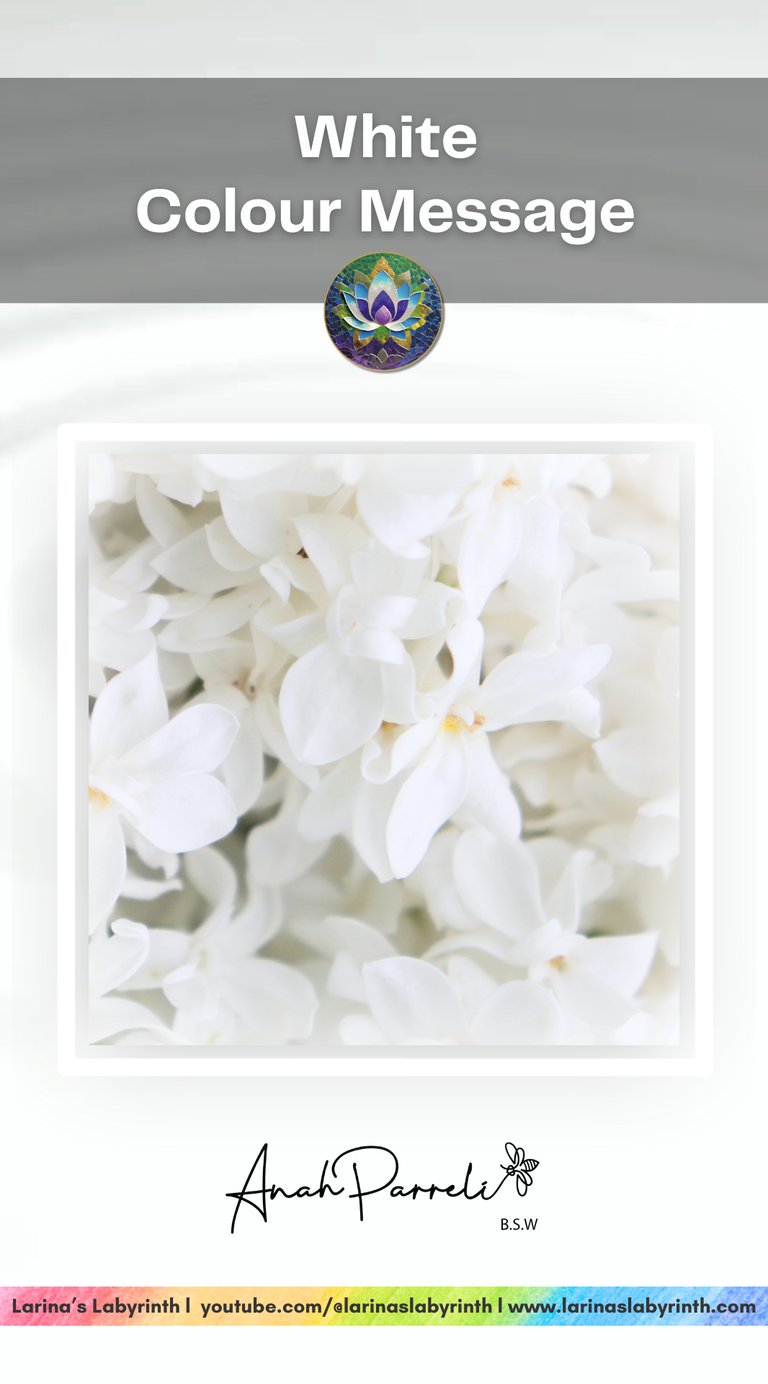
White is a simple yet complex colour – white light carries the colours of the rainbow. When it comes to white paint and dyes, they can also have other shades of the colour spectrum as undertones, which is why white can be ‘warm’ or ‘cool’. Regardless of its nature, white conveys feelings of cleanliness, purity, and crispness. White in the surroundings (clothes, furnishings, wall paint, and so on) will change depending on the lighting. Generally speaking, the white is reflective of a person who seeks to clear and unclutter their mind. They may not cope with change, or they may find their minds easily overwhelmed or distracted, making it difficult for them to focus and concentrate on tasks and objectives, which is alleviated by the simplicity of the colour white. Sometimes people who are overly obsessed with white may struggle with conditions such as obsessive-compulsive disorders and cleanliness fanatics. White shows any ‘flaws’ or potential compromises in hygiene, which is why it is popular in hospital settings and why white can be perceived as ‘sterile’. However, white is rarely used by people without complementary colours. For many people, it provides a background or canvas for their personality, offering the peace and purification they need to refine their ideas of self, goals and environment. White allows for them to complement other colours in ways that have organisation and structure and support their vision, especially when it comes to their spiritual goals and intentions.
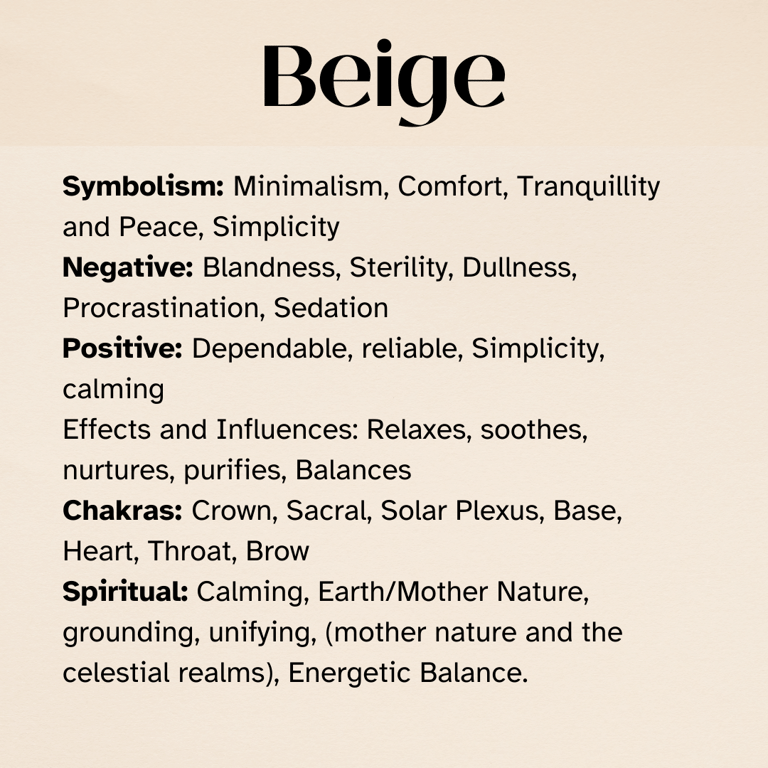
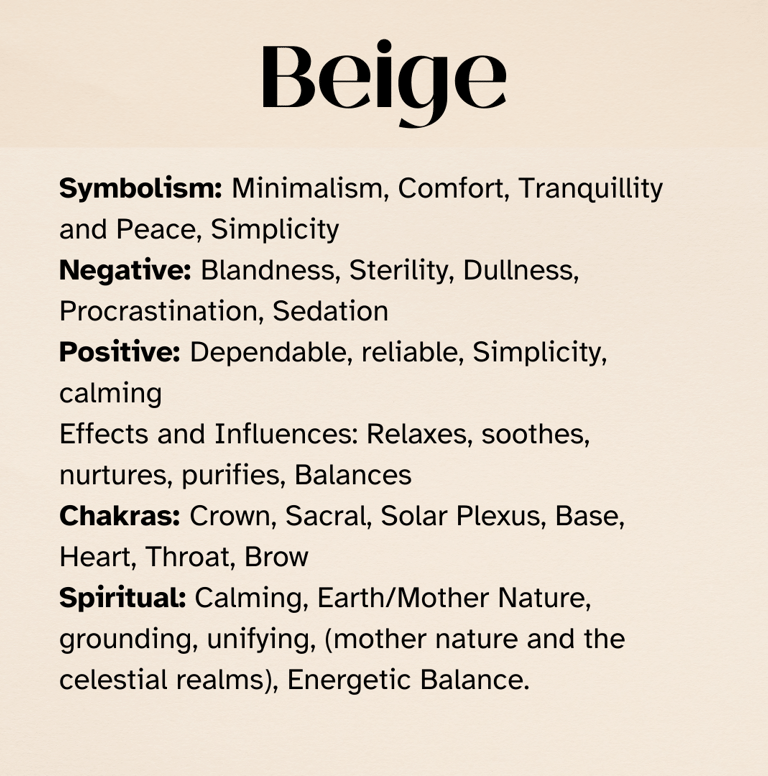
Beige is a colour that primarily incorporates white and yellow, with a pale brown edge, so it also contains small quantities of red and blue. It is a colour that helps a person feel more peaceful and tranquil, calming and balancing moods, while allowing the brain and eye receptors to avoid being overwhelmed by stimuli, thereby assisting with clarity of thought and peace of mind. Typically, a person drawn to beige seeks to simplify their life and achieve practical order and balance. Too much beige can lead to procrastination and stagnation because of the low levels of red and blue; it is not typically associated with action and is not a motivator. Instead, it offers order in chaos. The more brown incorporated into the beige, the more warmth it takes on, turning beige to tan. The tan is associated with Mother Nature, so it is more inspiring than the lighter shades of beige and more grounding and warming.
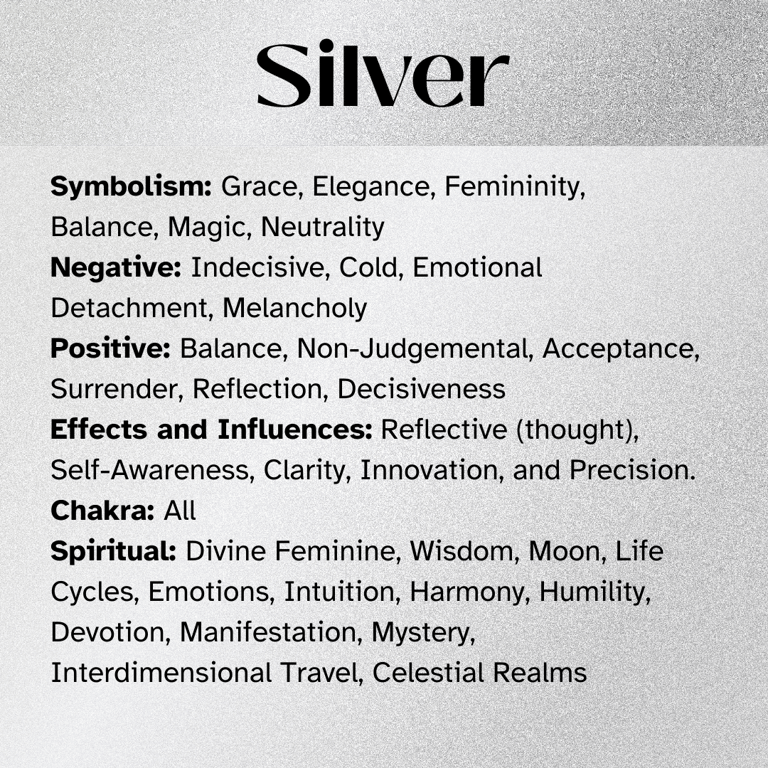
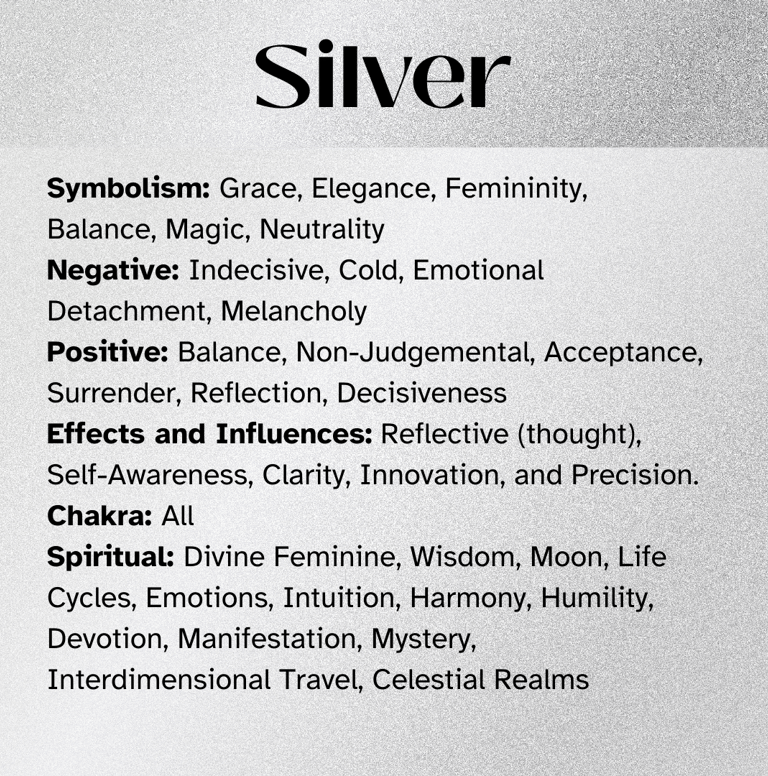
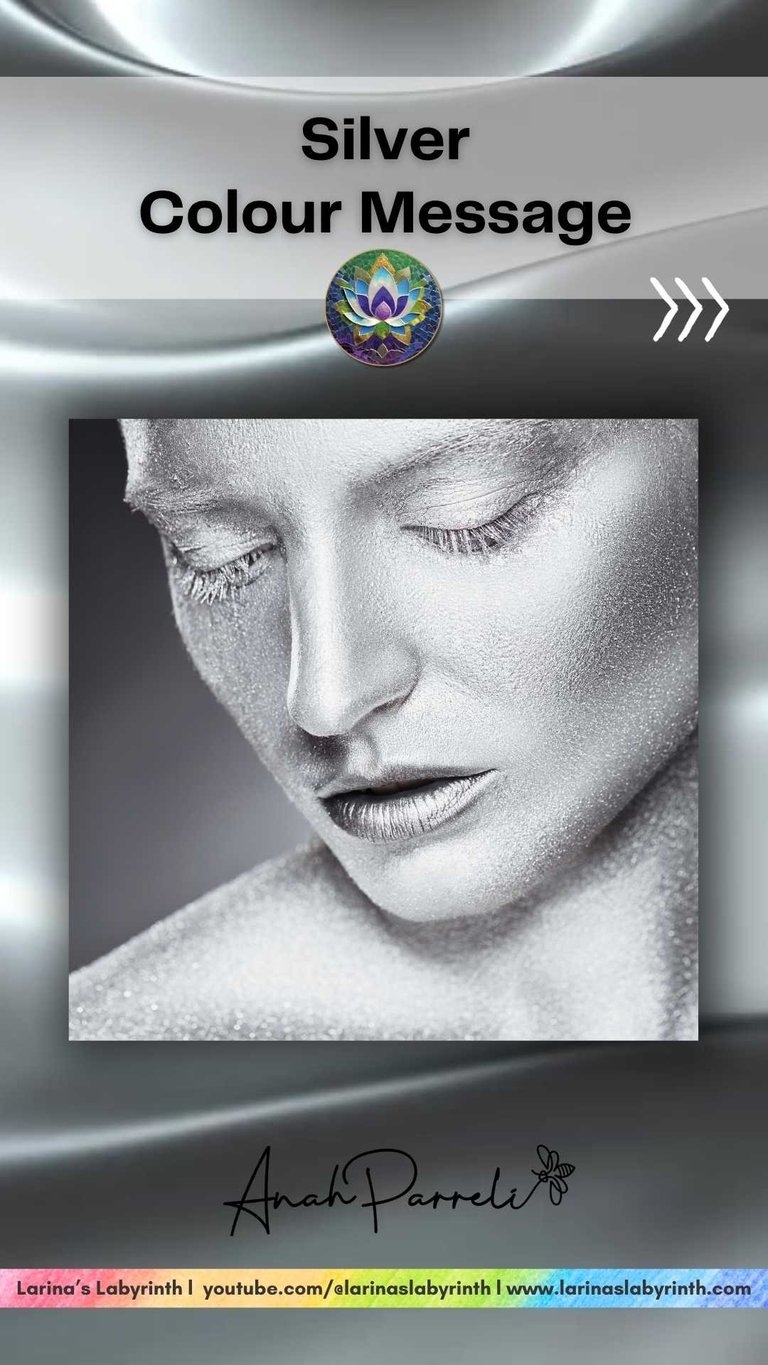
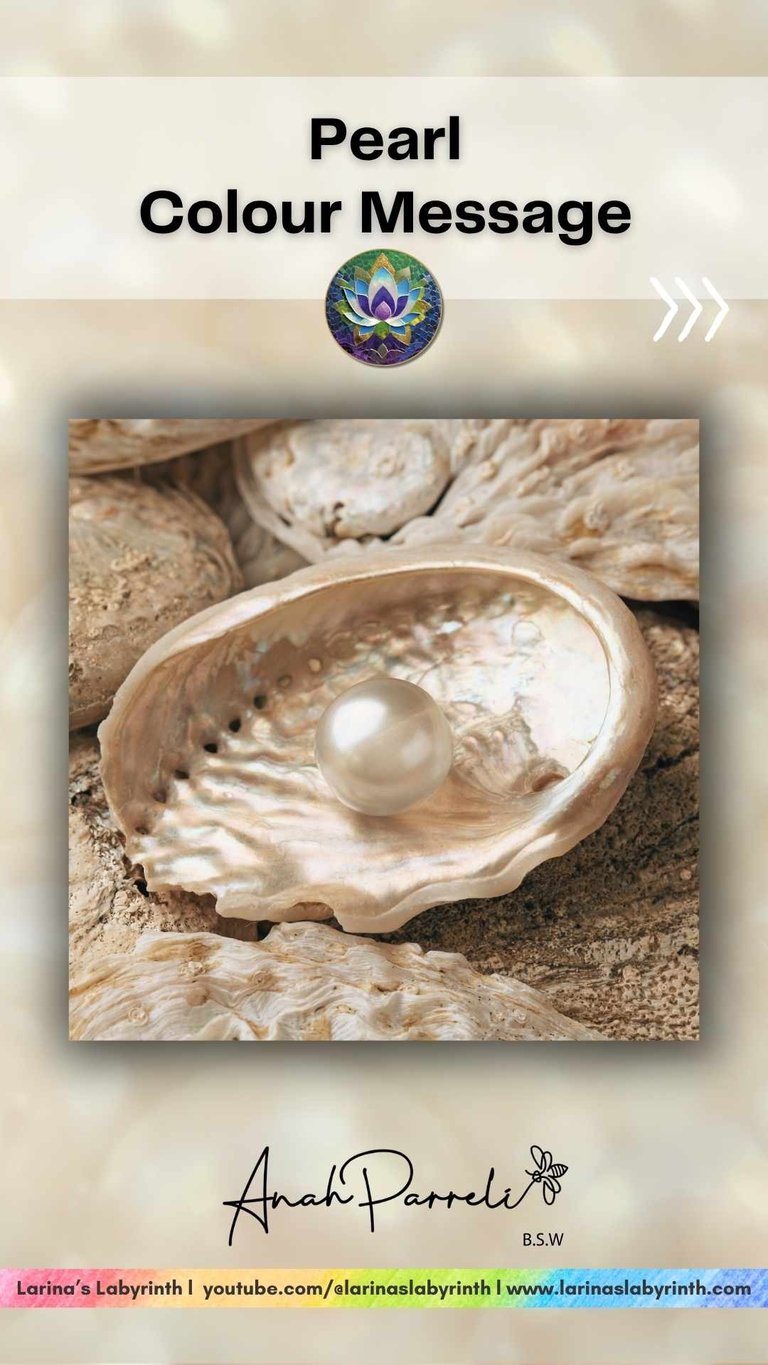
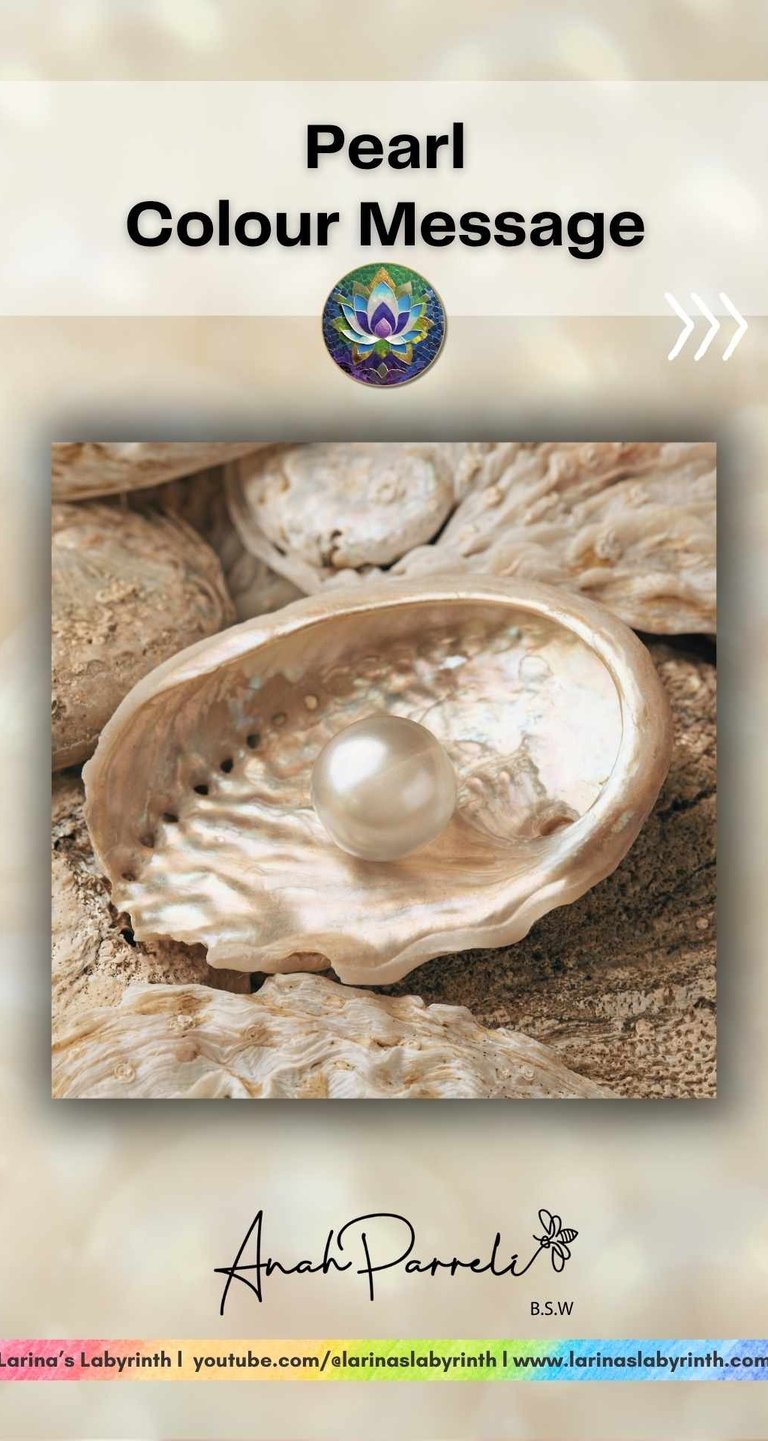
Silver is quite simply a mixture of black and white with a pearlescent or metallic quality. Lighter and brighter shades of Silver carry more white. Generally speaking, Silver is a graceful and elegant colour that reflects neutrality and non-judgement, and a balanced and rational approach to life – neither too feelings-oriented nor too much in the ‘clouds and mind’. Silver is associated with the moon and the cycles of life, so it is associated with surrender and adaptability. And where the colour gold is reflective of the masculine energy of provision and protection, and activity, Silver is softer and more ‘feminine’ with an energetic focus toward the maternal, nurturing, intuitive, and gentle. When a person is attracted to the colour silver, it may indicate that they are making decisions and are unsure which will lead to the desired outcome, ultimately relying on their intuition or emotions to find direction. There may also be a quiet acceptance by the person around ‘whatever will be will be’, and a belief in providence or fate, which can be helpful or unhelpful depending on whether the person can take responsibility for their decision making (or lack of) or whether they blame people, life or God for any disappointments.
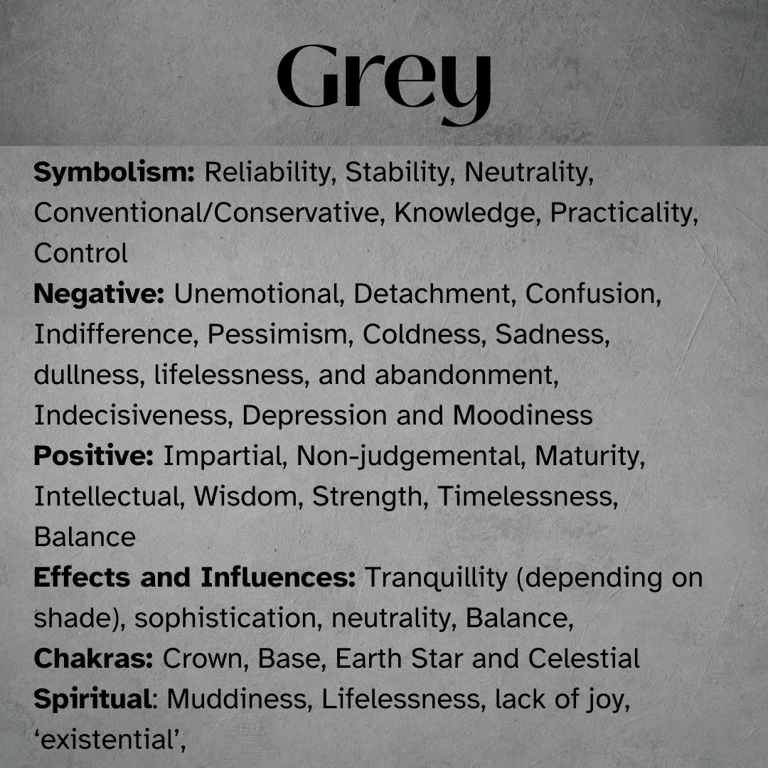
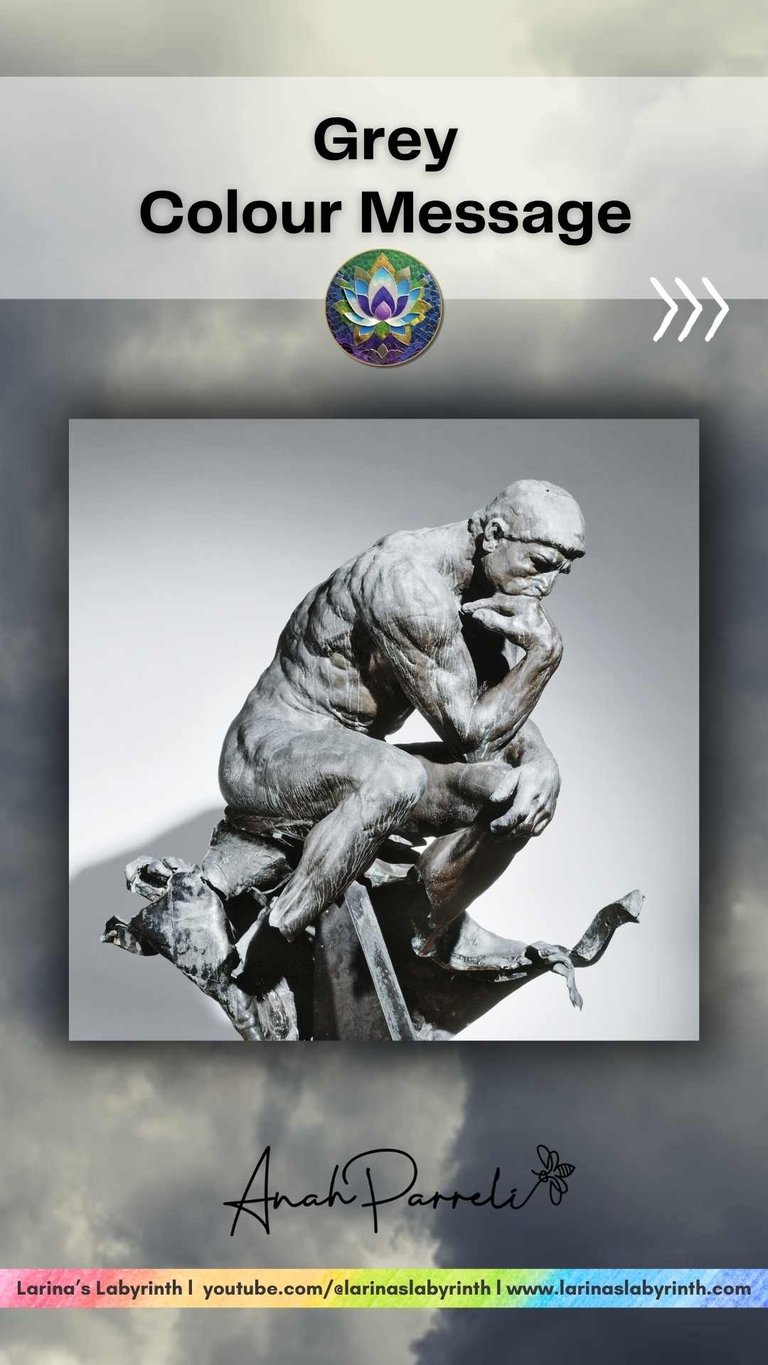
To some extent, the colour grey represents balance and neutrality because it is a combination of black and white; however, darker shades of grey can indicate negative aspects of rigid thinking and inflexibility, as well as indecisiveness and poor decision-making. True grey is a 50/50 mix of black and white, which can be calming and soothing for those with busy minds and lives. On the spin side, it is devoid of colour and brightness, except for the pale, almost silvery types. The darker colours reflect ‘stormy days’ and being bogged down in earthly and material concerns, combined with a lack of spontaneity and joy. A perfect balance is one with no peaks or lows; while stable, it can reflect an emotional ‘flatline’. There is a level of ambiguity and uncertainty that can undermine decisiveness and leave people unmotivated and uninspired, especially when they seek change. The lighter shades show a willingness to make changes and can be inspiring, calming, and soothing. Some people may prefer the paler shades of grey because they instil feelings of peacefulness. In contrast, others who are repelled by the colour may perceive it as cold, emotionless, and depressing. Spiritually, the grey reflects a ‘no-man's land’ and a ‘nothingness’, where those spirits that have not ‘returned to the light’ or ‘earthbound’ (or for the Catholics) stuck in purgatory, tend to be referred to as the ‘greys.
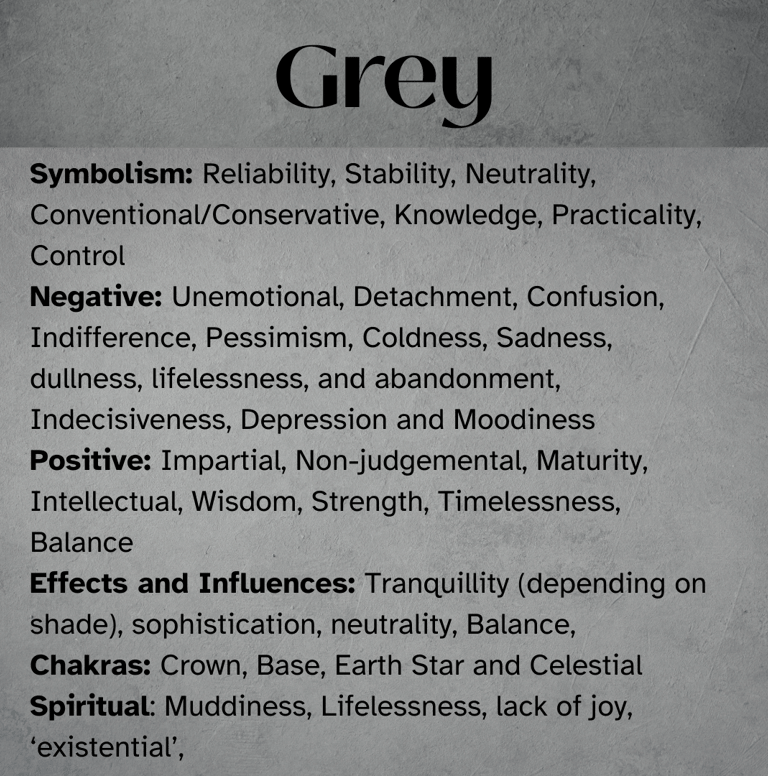
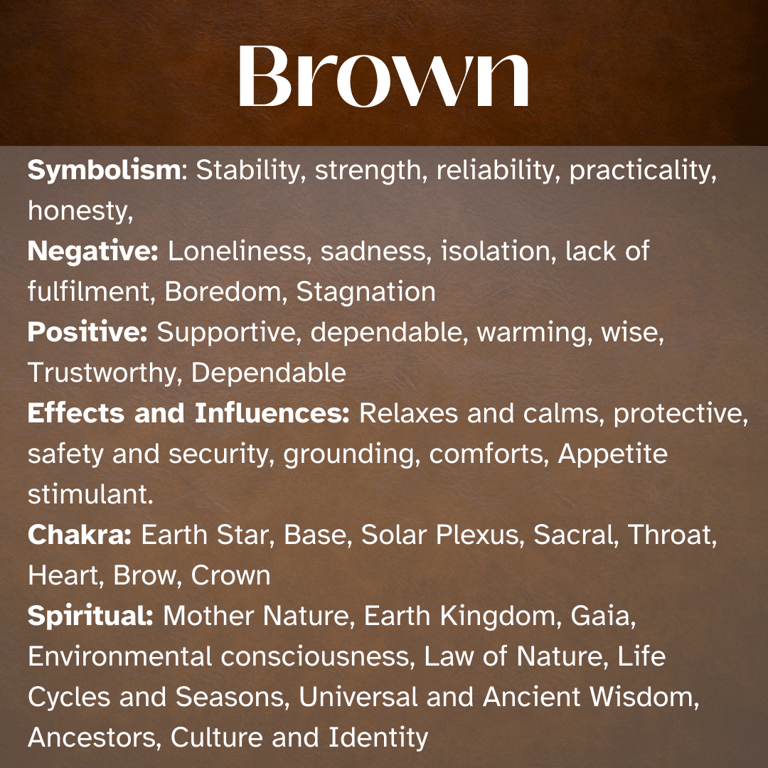
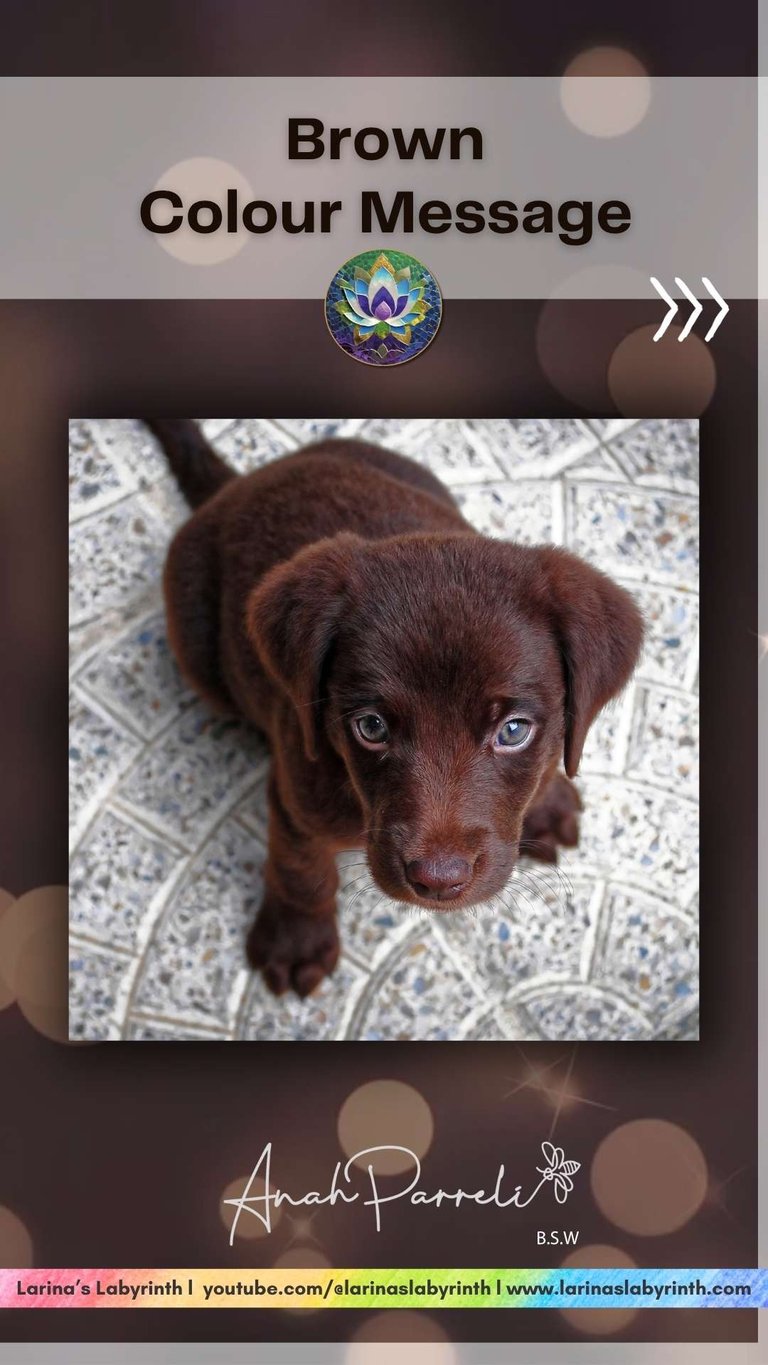
The colour Brown is a secondary colour mixed from red, yellow, and blue. Lighter shades of Brown will generally have white added, and the brighter browns will carry more yellow. Despite the complexity of the colour shading, it offers a sense of comfort and simplicity, warming the soul. It encourages orderliness, practical, grounded decision-making, living in the present moment without worrying about the future, and fully appreciating life, 'whole-ness' and the 'bigger picture'. Associated with the earth, including the trees, it represents stability and steadfastness – a dependability that withstands the test of time. People who are drawn to shades of brown tend to be realistic and prefer open, authentic, and transparent communication. They may not trust people's words and instead rely on others' actions to gauge their sincerity. It brings with it an environmental consciousness – but like all colours and life, there is an 'other aspect' of feeling isolated and alone. It makes a good balancer for those people who overthink and become emotionally or psychologically overwhelmed. People who attracted to the colour brown may be seeking a balance in their lives and developing a sense of order and organisation in practical ways, or they may be attempting to manifest and solidify their vision of the future. Other times, the person may be on a quest of 'knowledge seeking', seeking answers around their personal situations (and breaking repetitive or intergenerational patterns). Brown can be balanced with other shades. Ultimately, the shades of brown offer a person stability, comfort, and reliability that warm the soul.
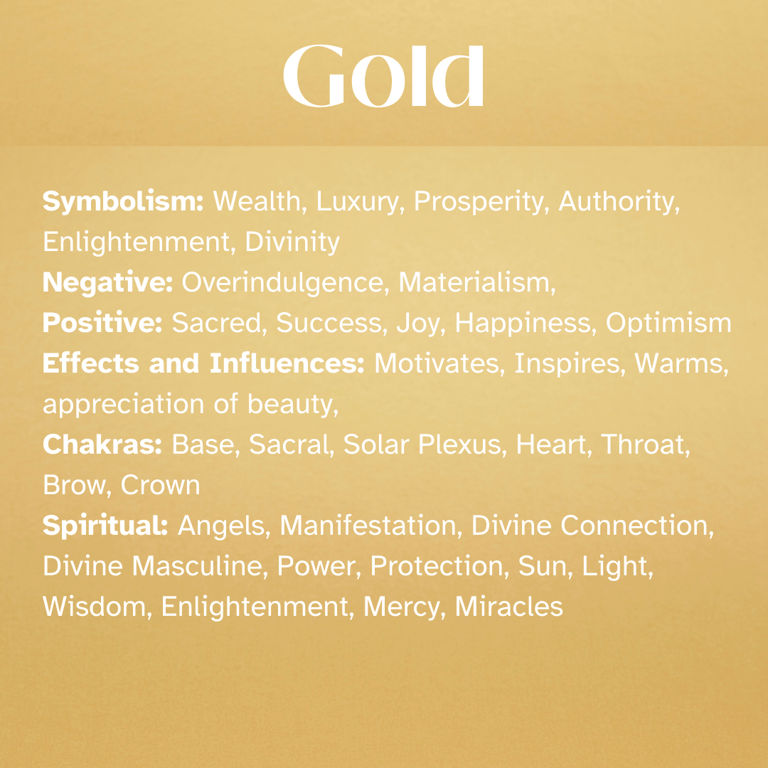
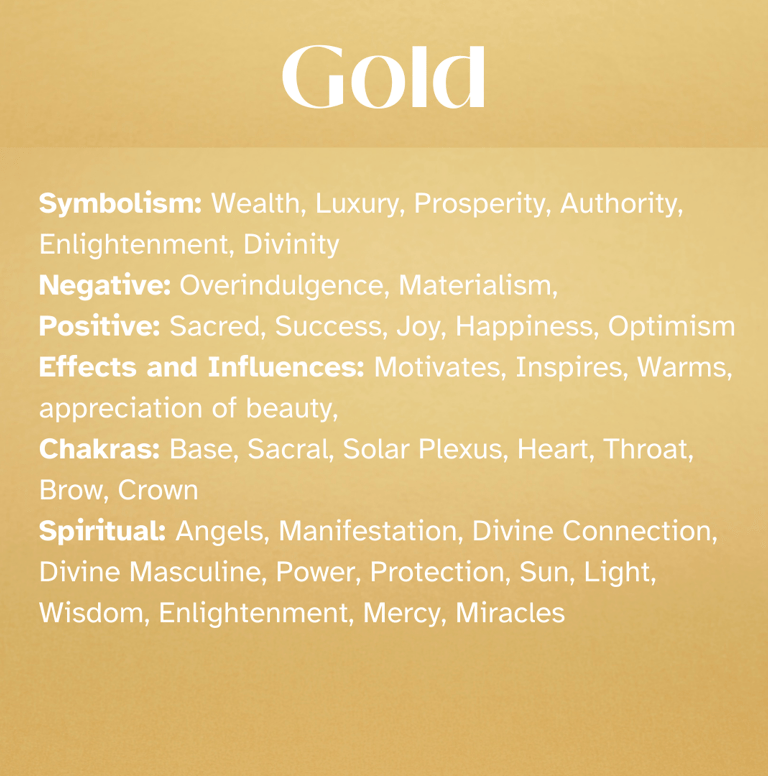
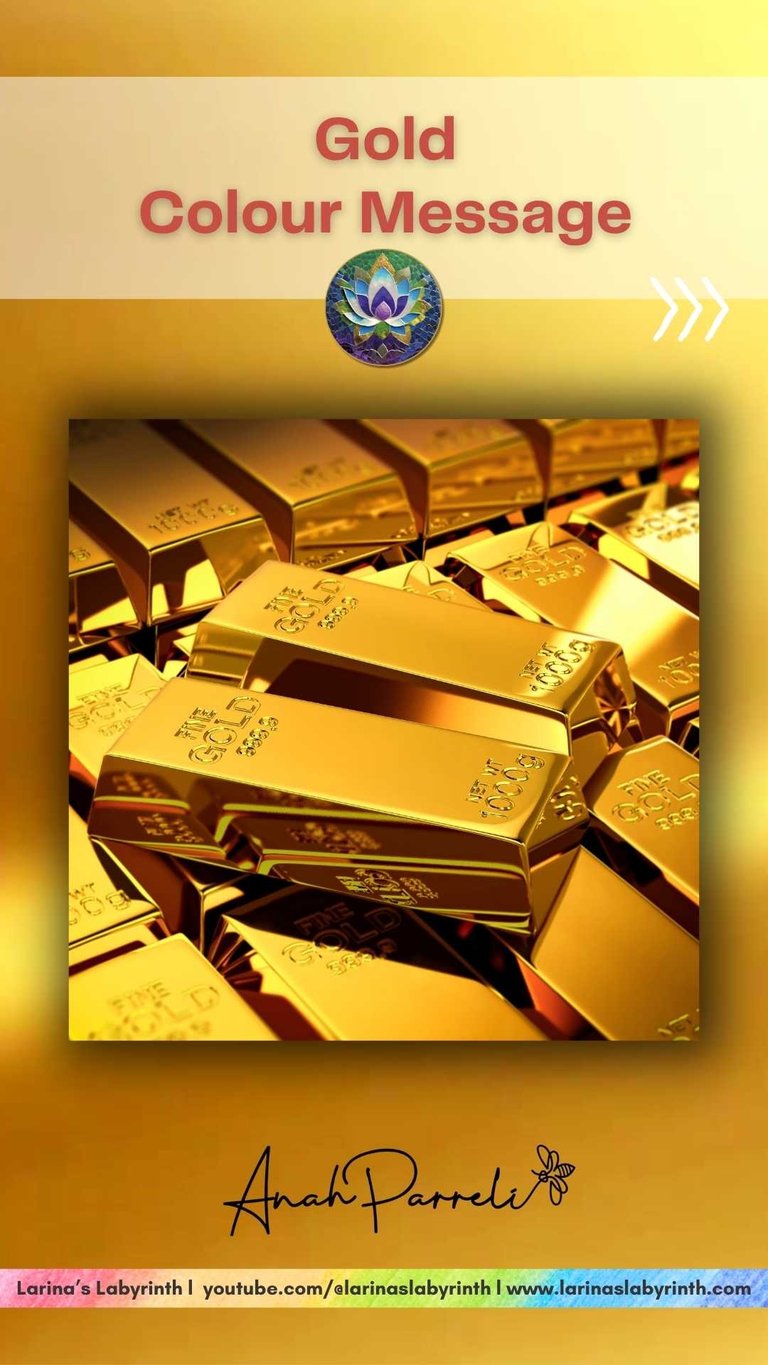
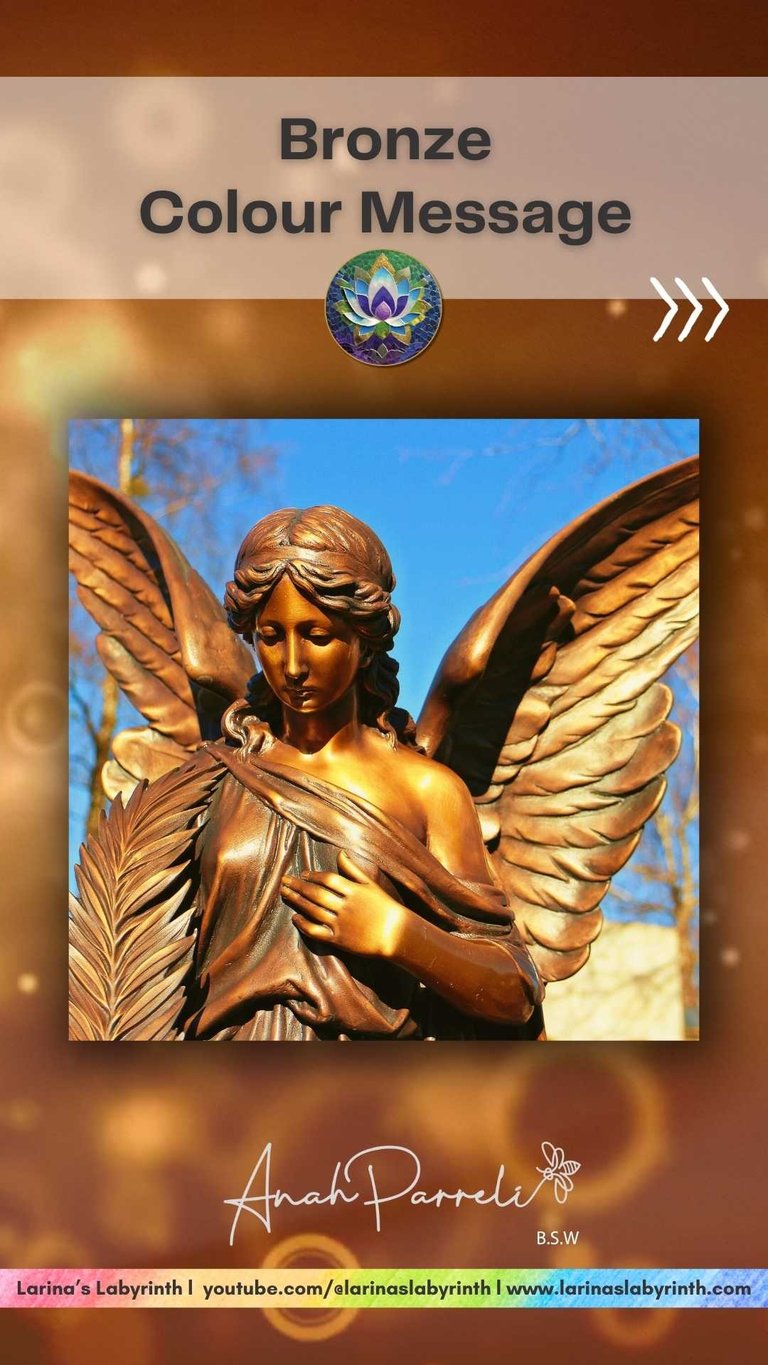
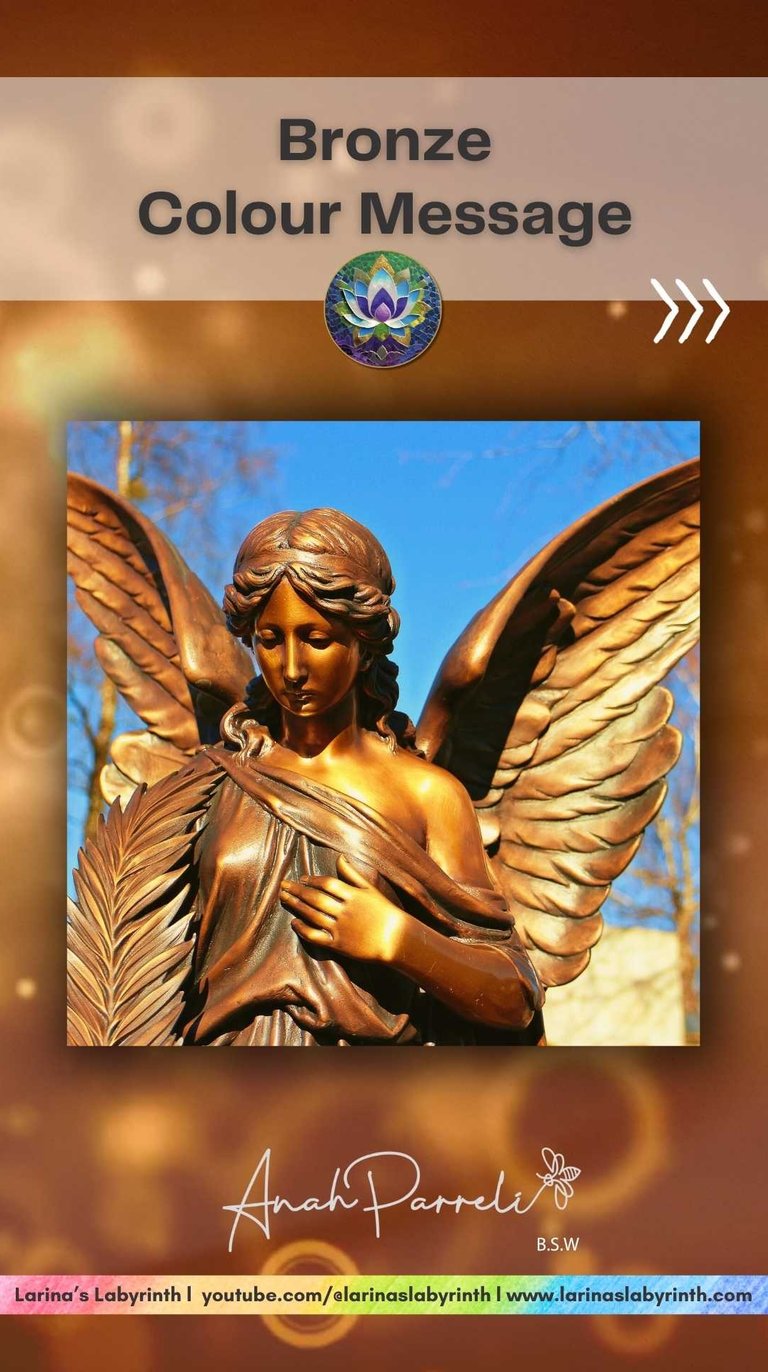
Primarily a mix of yellow and red for warmer golds, and of blue for cooler golds, with a golden sheen provided by a pearlescent component that brings in the hues of the rainbow. It is an intense colour associated with masculine energy of success, opulence, financial security, and a connection to the Divine, and it conveys a sense of sacredness. It can inspire a person in their pursuit of economic well-being, and is popular for developing leadership qualities. Where yellow is a colour primarily associated with empowerment (and overcoming difficulties), gold takes yellow to new levels of being, offering a broader perspective, intuitive ability (to see what lies beneath the surface), and astute decision-making, especially in business or finance. It is a colour for stabilising the base, earthly and material needs, while awakening to a 'higher purpose' and trust in the divine. People who are attracted to the colour gold in their surroundings are usually experiencing some awakening, or trusting and hoping for a divine intervention or miracle, especially when it is combined with the violet hues of transformation. Exploration may reveal a person's dreams and goals, as well as any barriers they are experiencing in working toward their manifestation. It may also reflect that a person is a believer in Angels and Divine Light Beings, with a deep faith in the process of life.
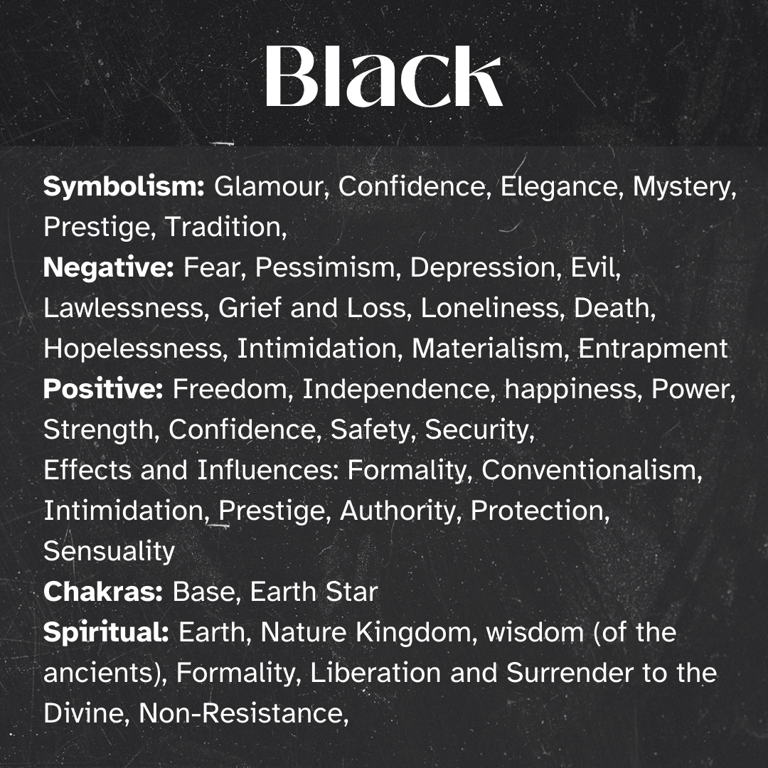
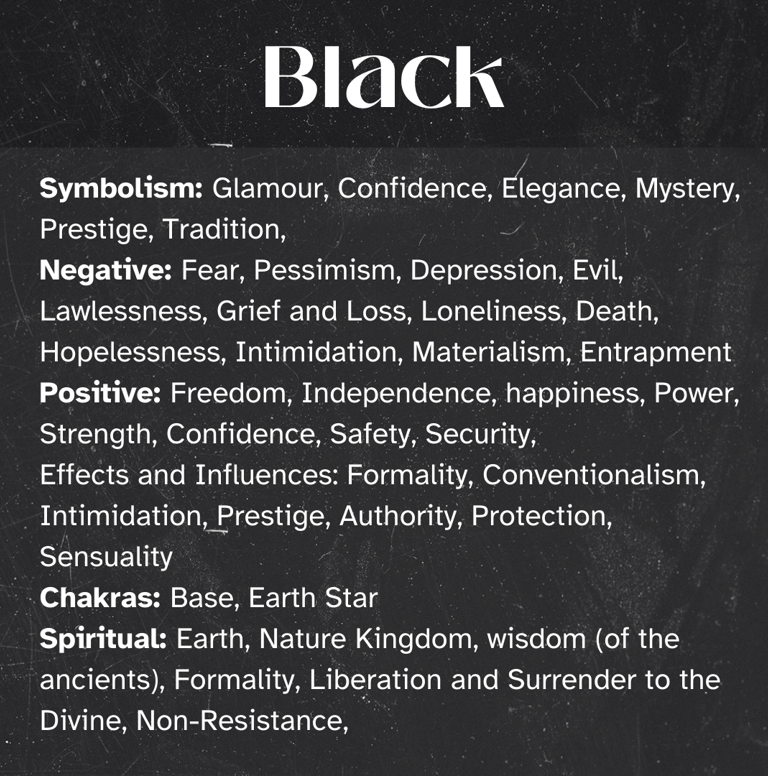
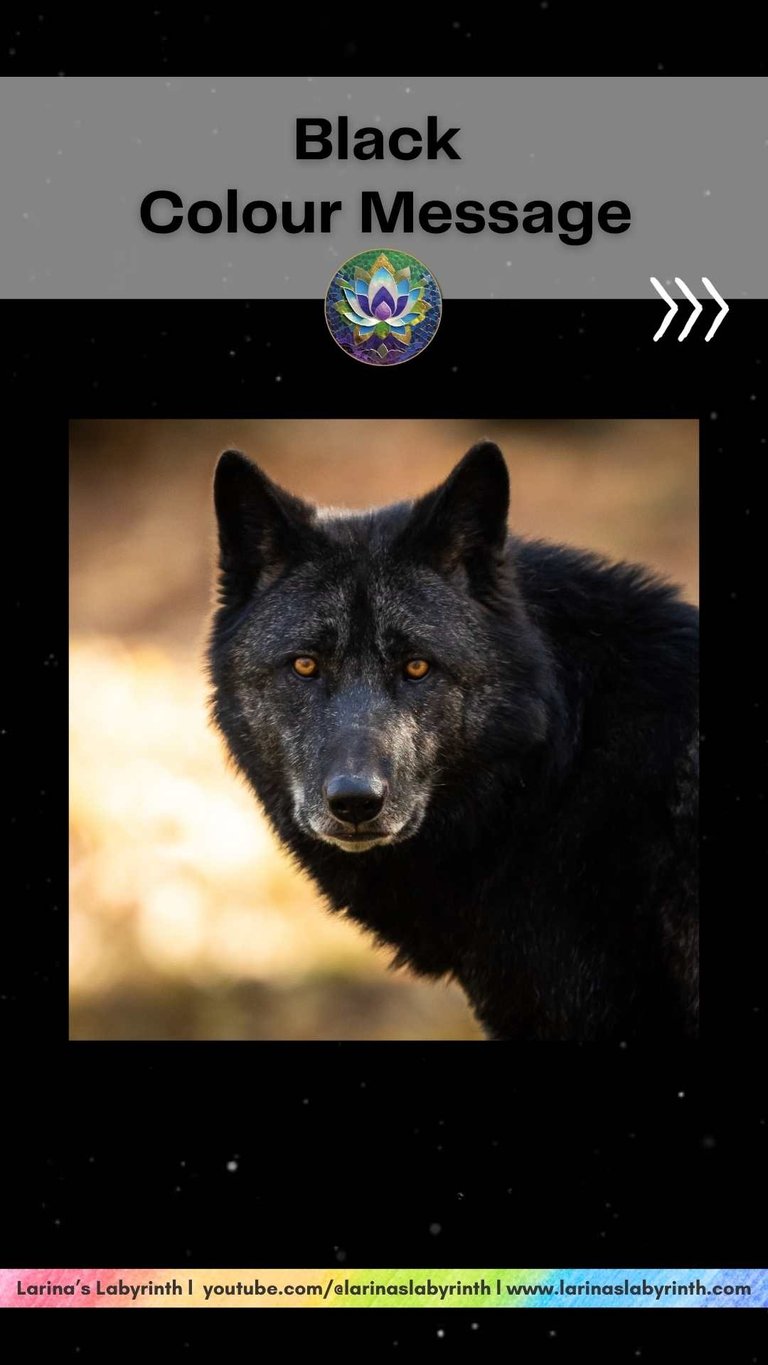
Black is the absence of colour and the absence of light in the spectrum. Its symbolism is related to cultural significance and often represents formality, conservatism, conformity, and conventionalism (think of the black suit and ‘black tie’ events. It is often associated with power, sophistication, elegance, and refinement, which in many situations helps to build confidence with a person as far as ‘social place and connection goes. However, cross-culturally it can symbolise darkness or ‘evil’ and the ‘shadow’ or hidden aspects, so there is also a symbolic connection to mystery, uncertainty and the unknown. For many people, it can convey a desire for freedom and a ‘rebirth’ or new beginning, and even a desire to hide aspects of themselves (or to remain as ‘invisible’ as possible). Many criminal gangs use black to symbolise their ‘power’ and authority, and women use black in clothing to ‘cover their physical flaws’ and hide aspects of themselves they fear will be perceived negatively. People who overuse the colour black are often in mourning or grieving, or feeling trapped and oppressed, or equally, attempting to control other people around them.
Disclaimer and Caution
Any alternative therapy (physical, emotional, psychological or metaphysical information provided by Larina's Labyrinth and Associates is intended for informational purposes only. It is not designed to replace existing medical treatment. You are encouraged to do your own research. Please read the site's Terms of Use of use and the Public Disclaimer.
Colour Messengers
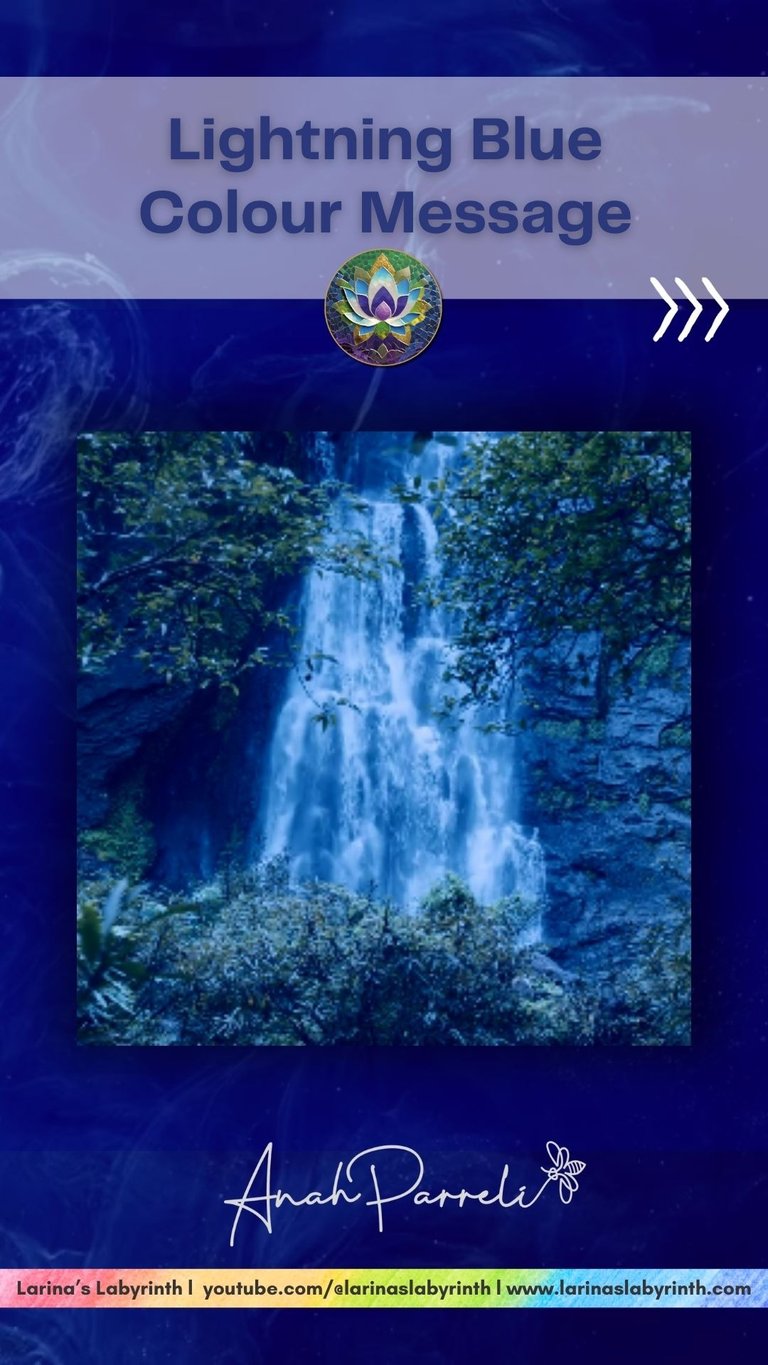
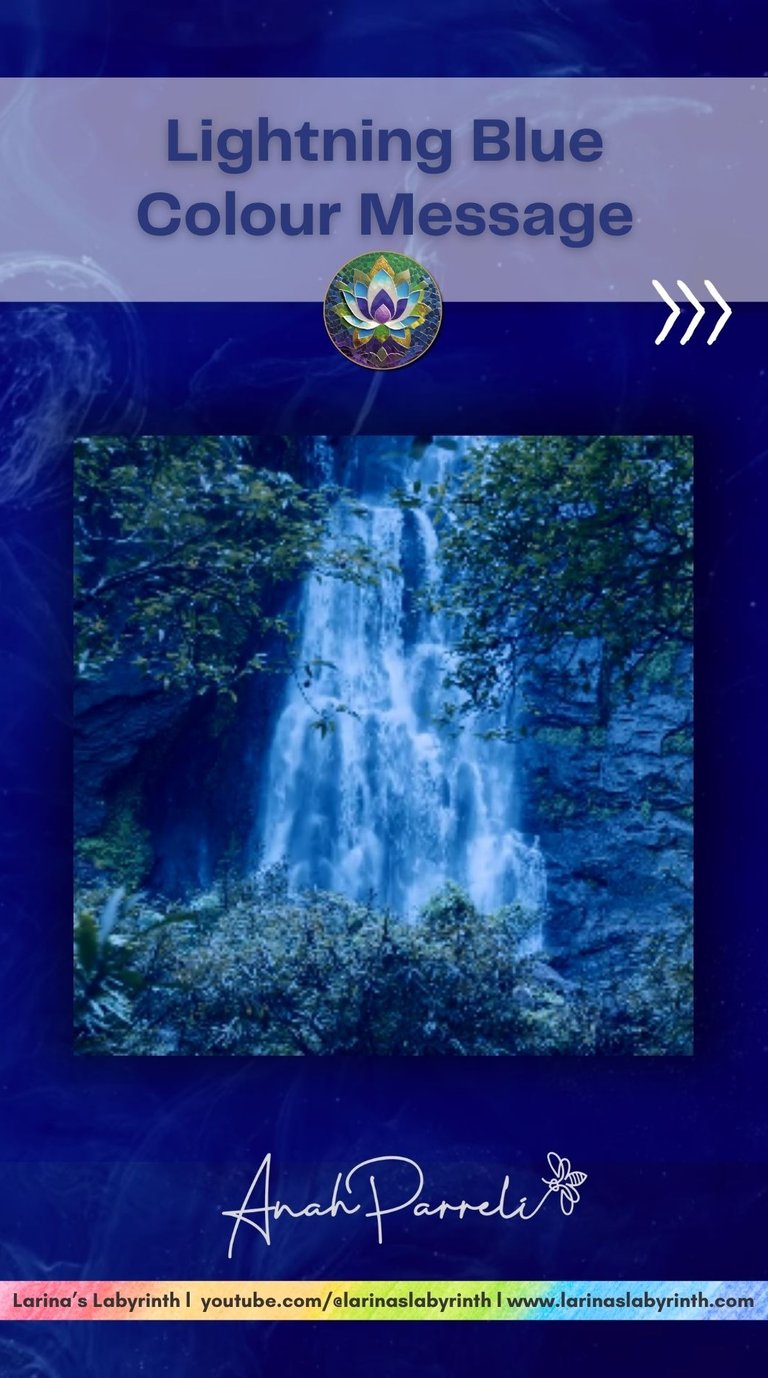
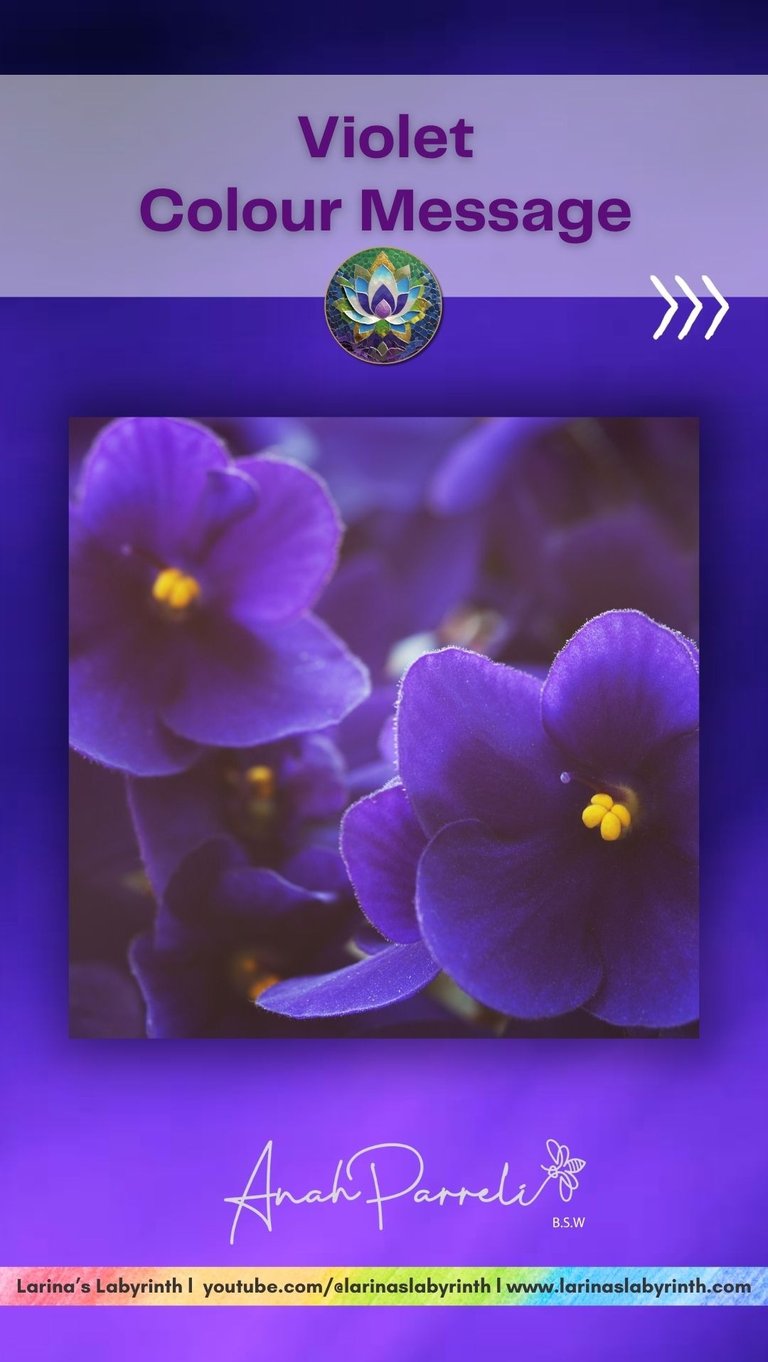
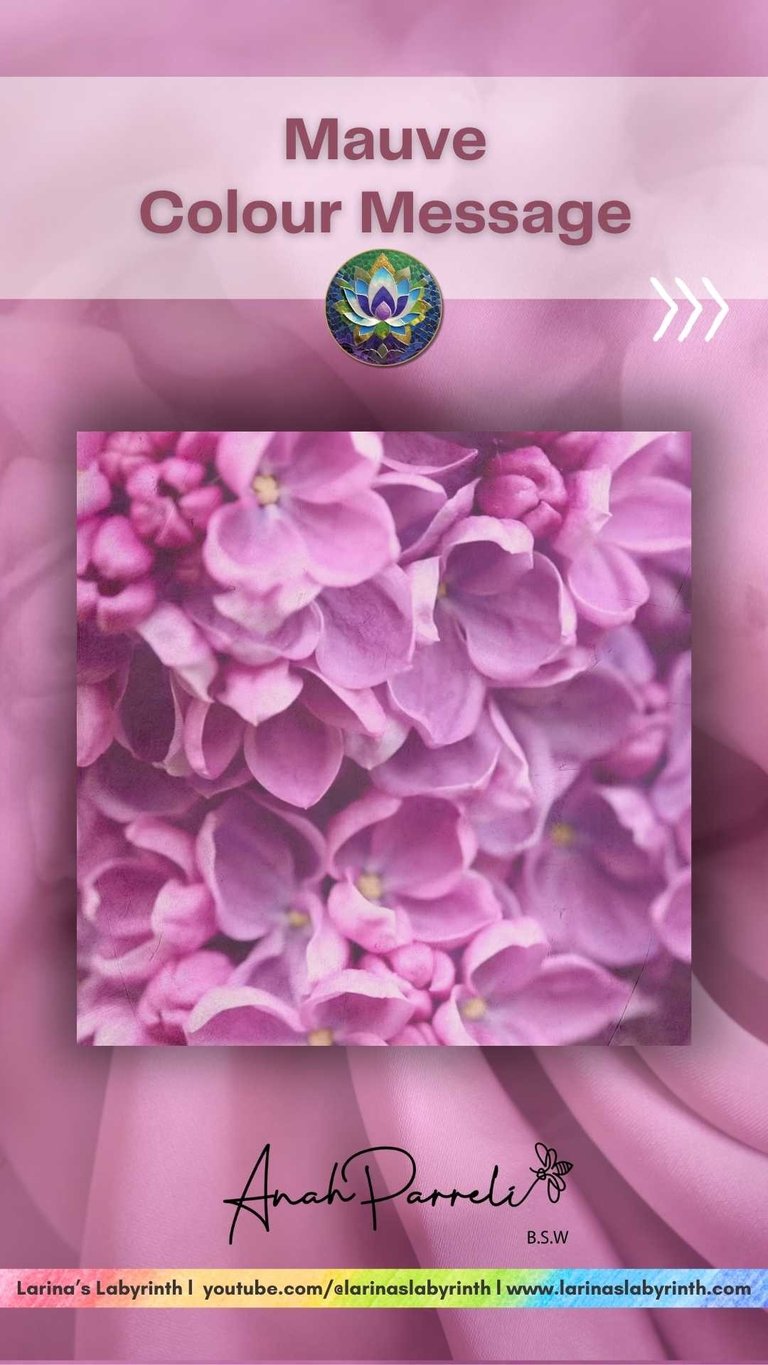
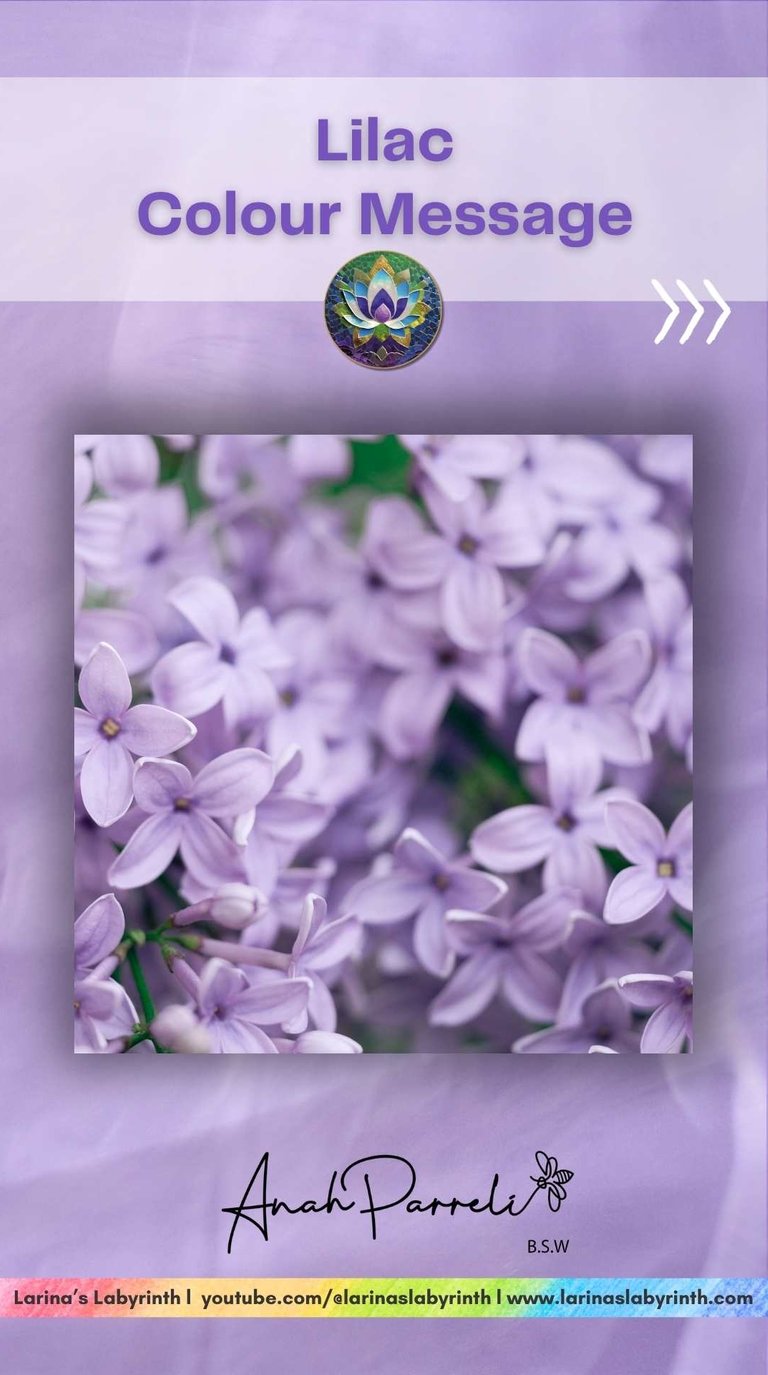
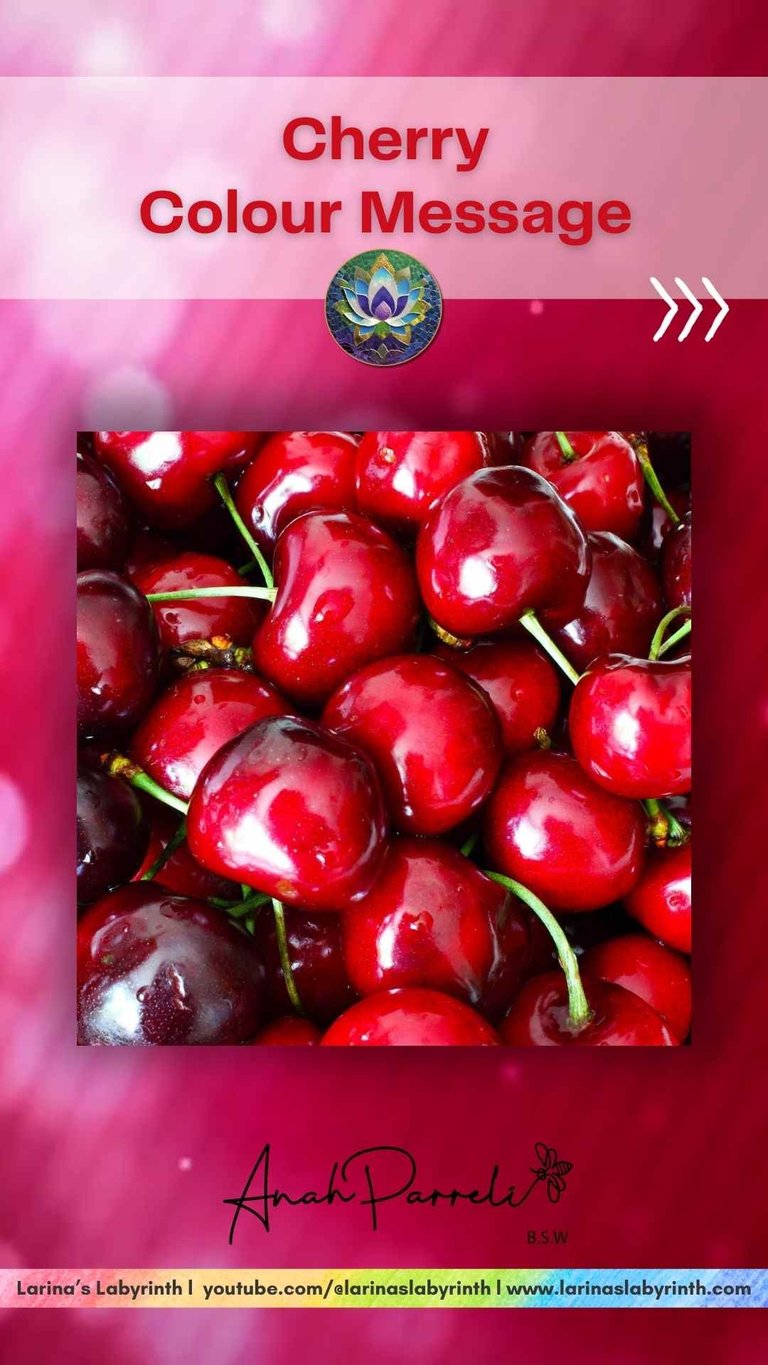
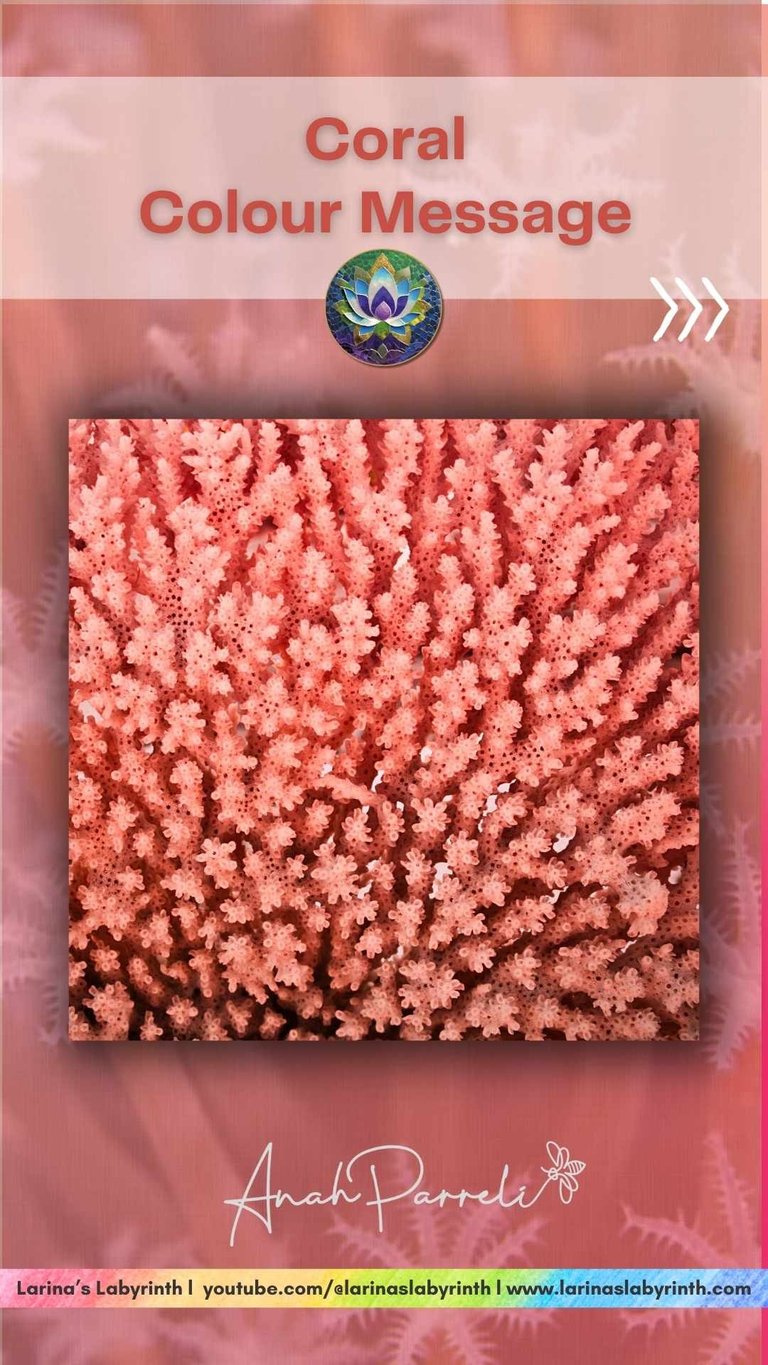
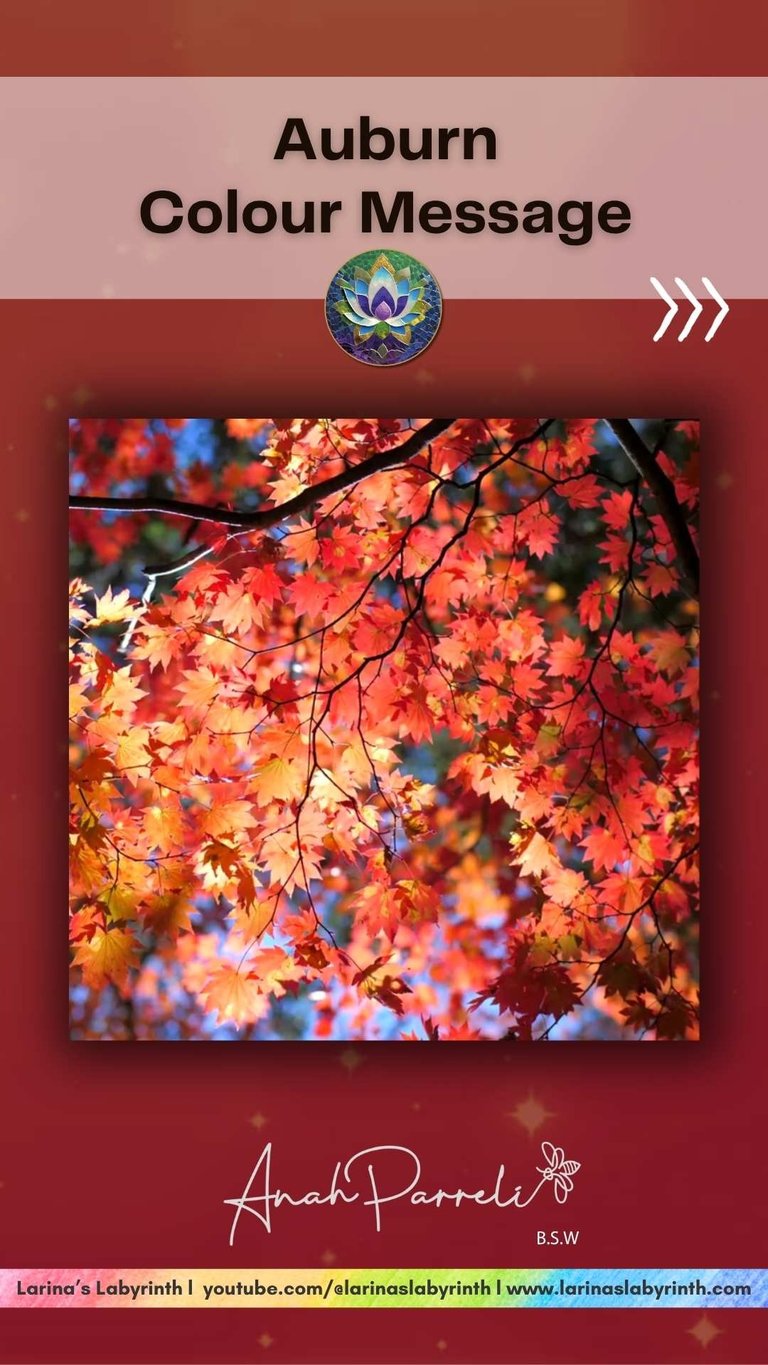
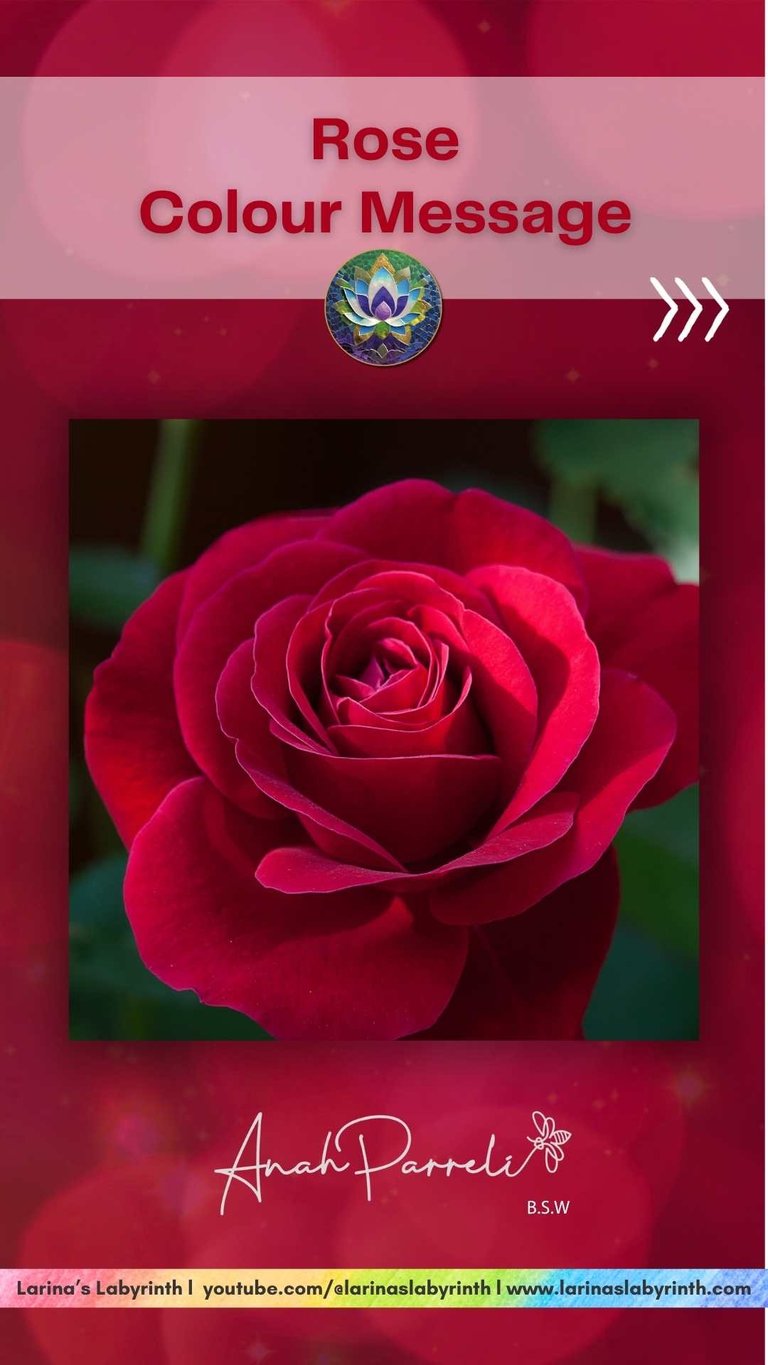
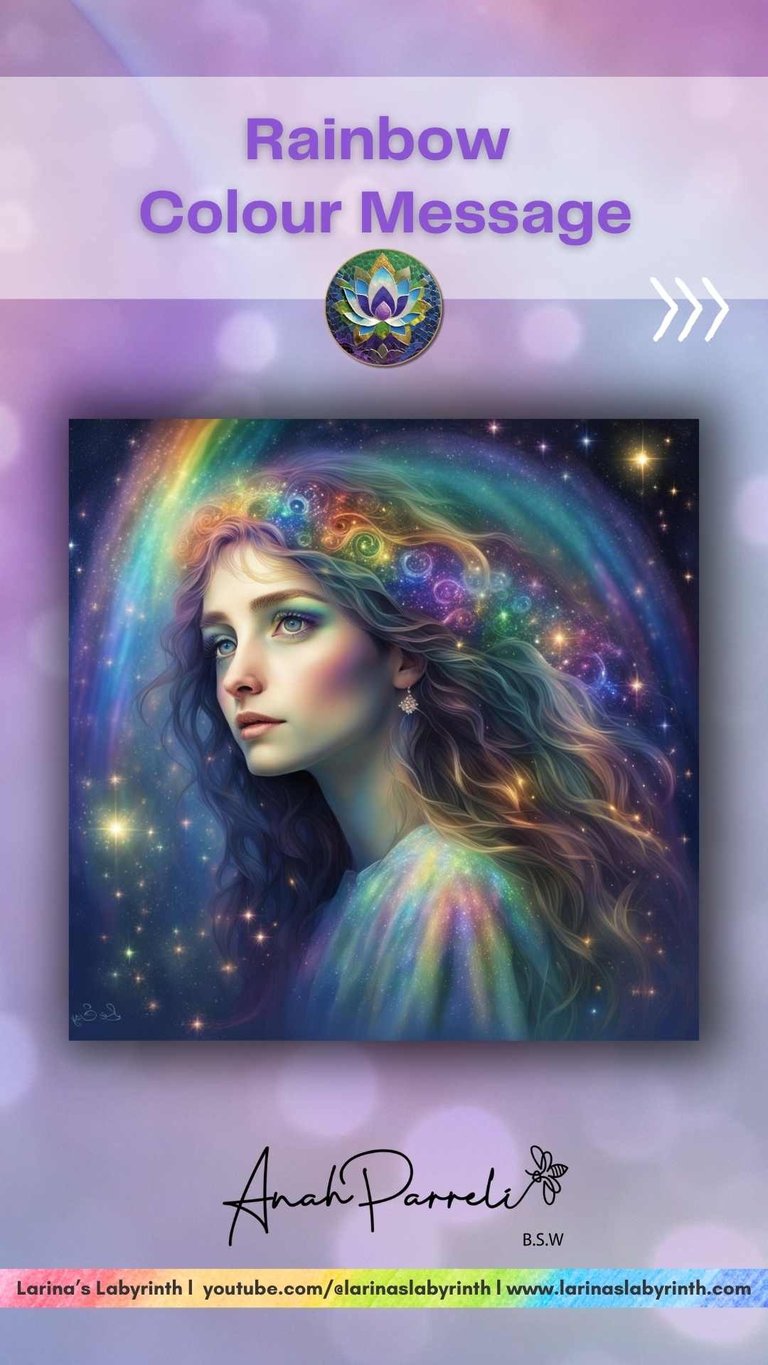
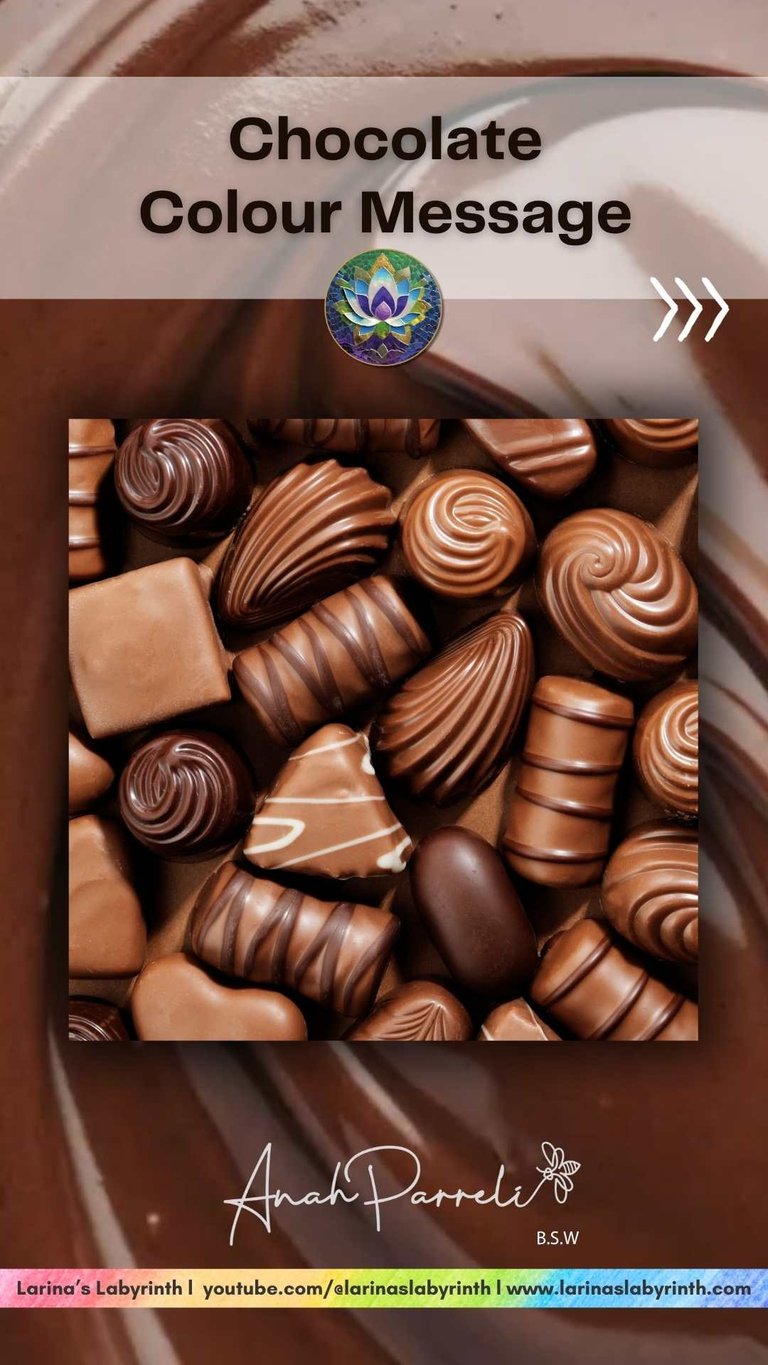
When you find yourself drawn to or repelled by a colour it is conveying a message to you from your subconscious to be actioned in the conscious and physical. You can find the messages by clicking on the images which wil take you to the YouTube play list and a brief introductory video to a longer video, which contains healing strategy including visualisation. Once you view the message - reflect on whether or not itapplies to you, and come and join or start a conversatoin about the merits of the colour healing therapies at YouTube!

Curious for more?
Click below to discover a collection of engaging video content on Youtube!


Have any questions?
If you have any questions or contributions, join me at Youtube and be part of a discussion. Sunday Yarning sessions is the best time!
© 2025 Copyright Larinas Labyrinth
Mission
To support people to raise their levels of awareness, and develop themselves to the fullness of their potential through the access to provision of information and metaphysical product and other self help strategy.
Useful Links
Policies